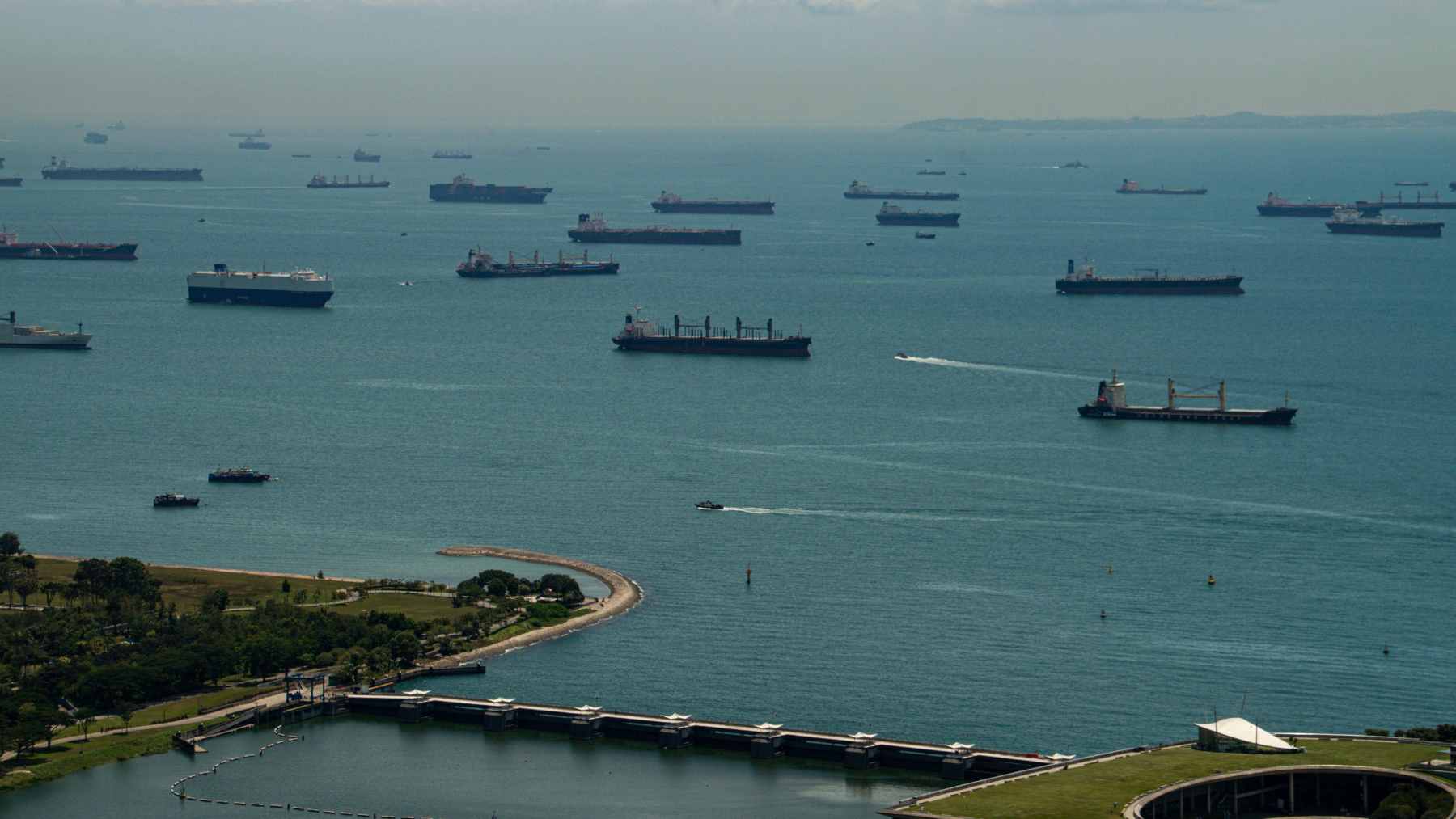
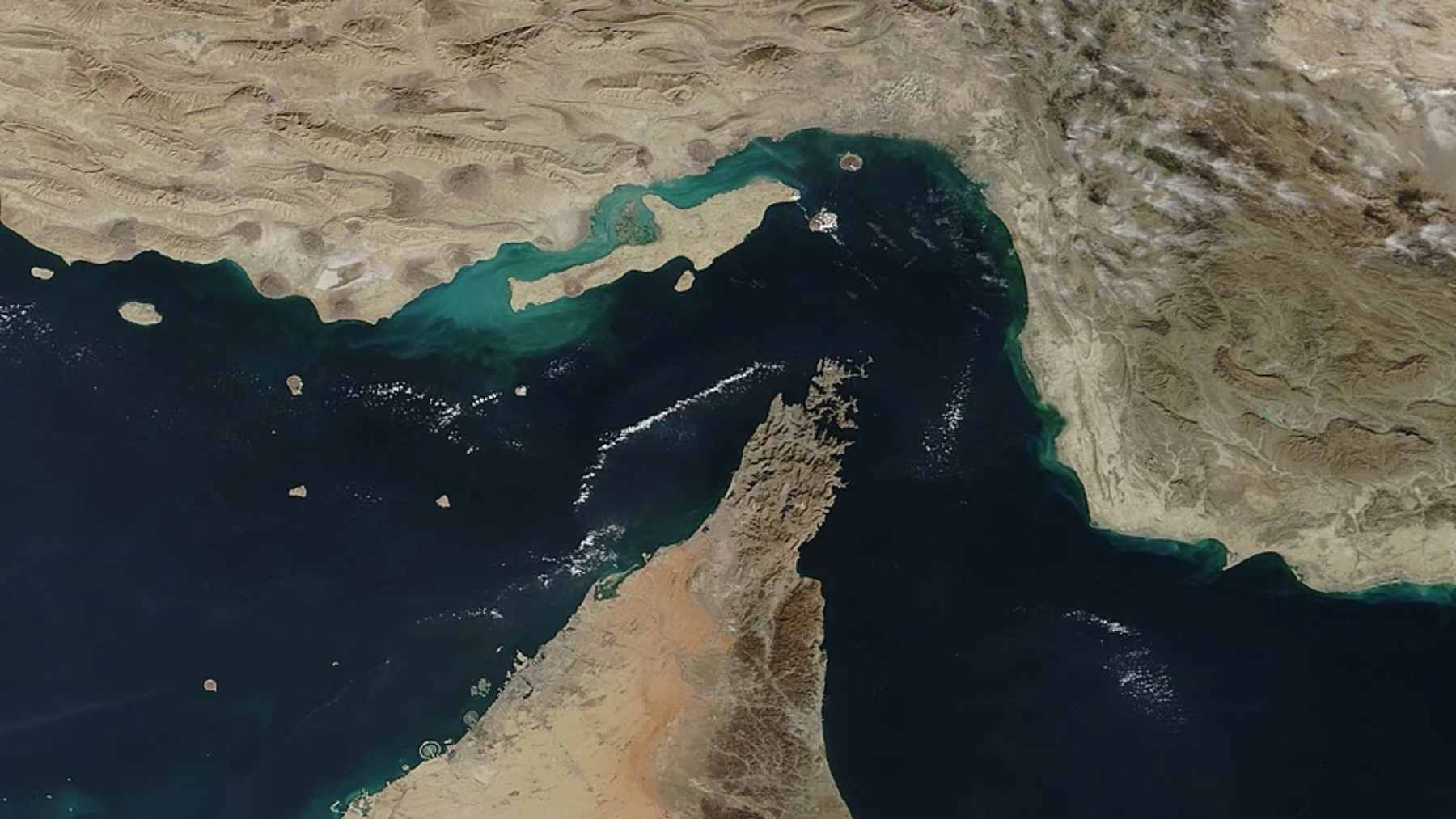
A U.S. naval blockade targeting ships trying to enter or leave Iranian ports has put the Strait of Hormuz back at the center of energy markets. In 2024, oil flows through Hormuz averaged about 20 million barrels a day, roughly 20% of global petroleum liquids consumption, which helps explain why even a “limited” operation can jolt prices.
What does a tense stretch of water have to do with your next plane ticket or the electric bill when summer comes? Quite a lot. Think of Hormuz as the fuse box of the fossil economy, and right now it is sparking.
A climate chokepoint
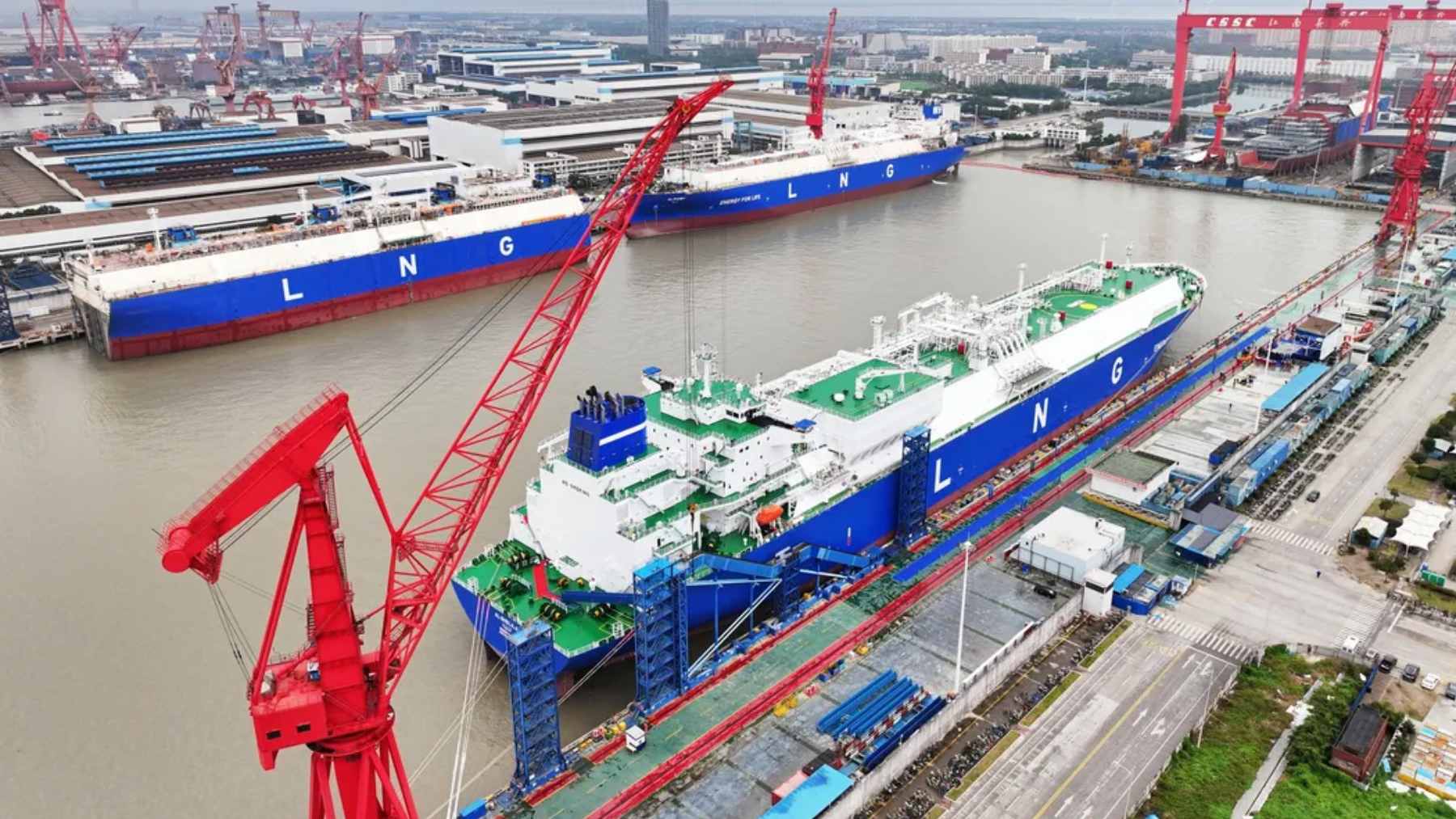
Hormuz is not just about crude, it is also about emissions and risk. U.S. energy data shows oil flows through the strait average around 20 million barrels per day, and it is a critical route for liquefied natural gas exports from the Gulf.
When tankers slow down or detour, voyages get longer and dirtier. Global shipping already accounts for about 2.3% of global CO2 emissions, so added distance is not trivial.
Targeted blockade, global ripples
U.S. Central Command says the blockade covers vessels headed to or departing Iranian ports and “will not impede freedom of navigation” for ships transiting Hormuz to non-Iranian ports. The goal is pressure without a full commercial shutdown.
Reuters says the policy could keep roughly two million barrels per day of Iranian oil off the market, and Kpler data put Iran’s March crude exports near 1.84 million barrels per day. That risk premium can hit everything from freight contracts to gasoline prices.
Defense tech and environmental risk
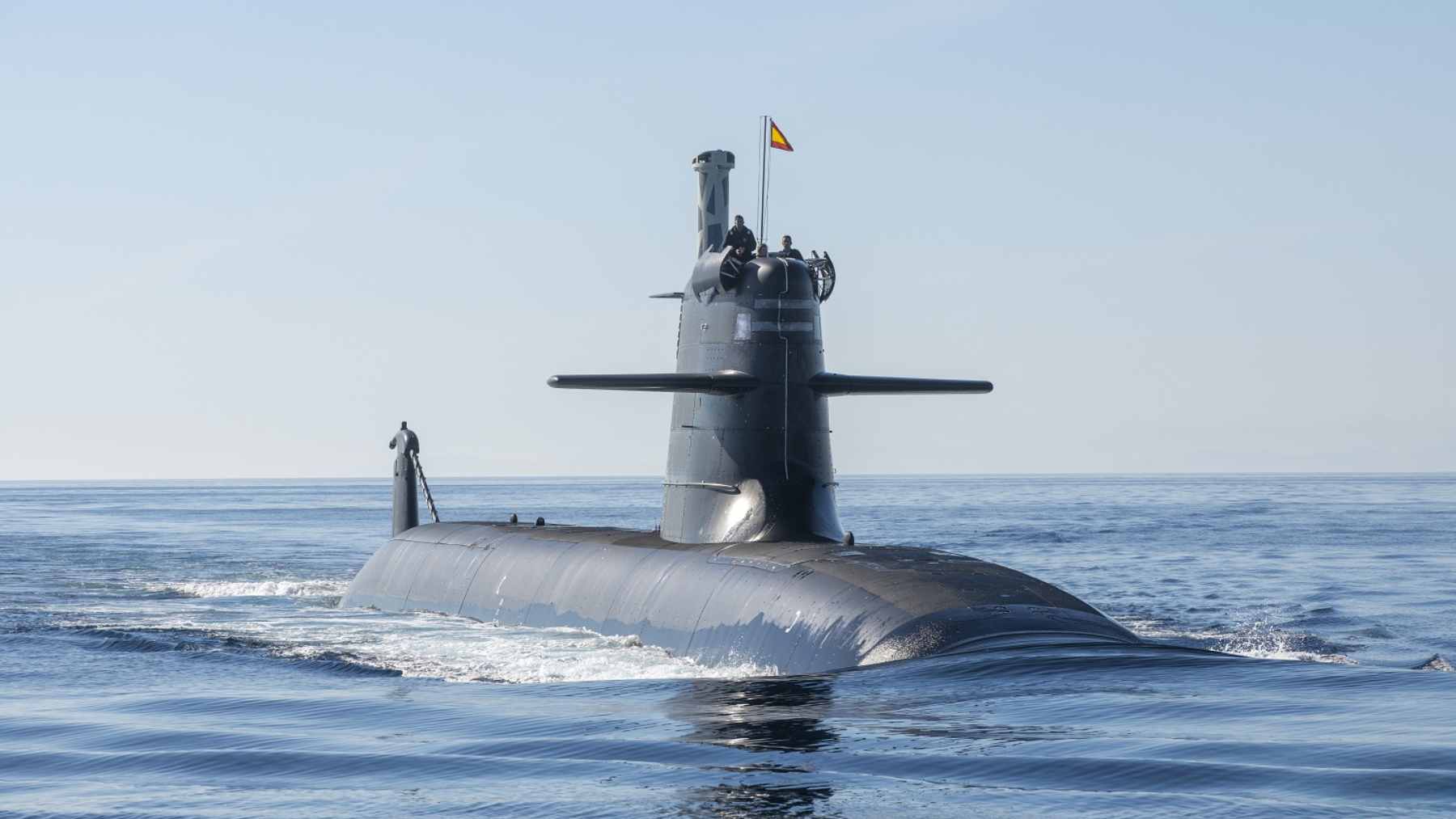
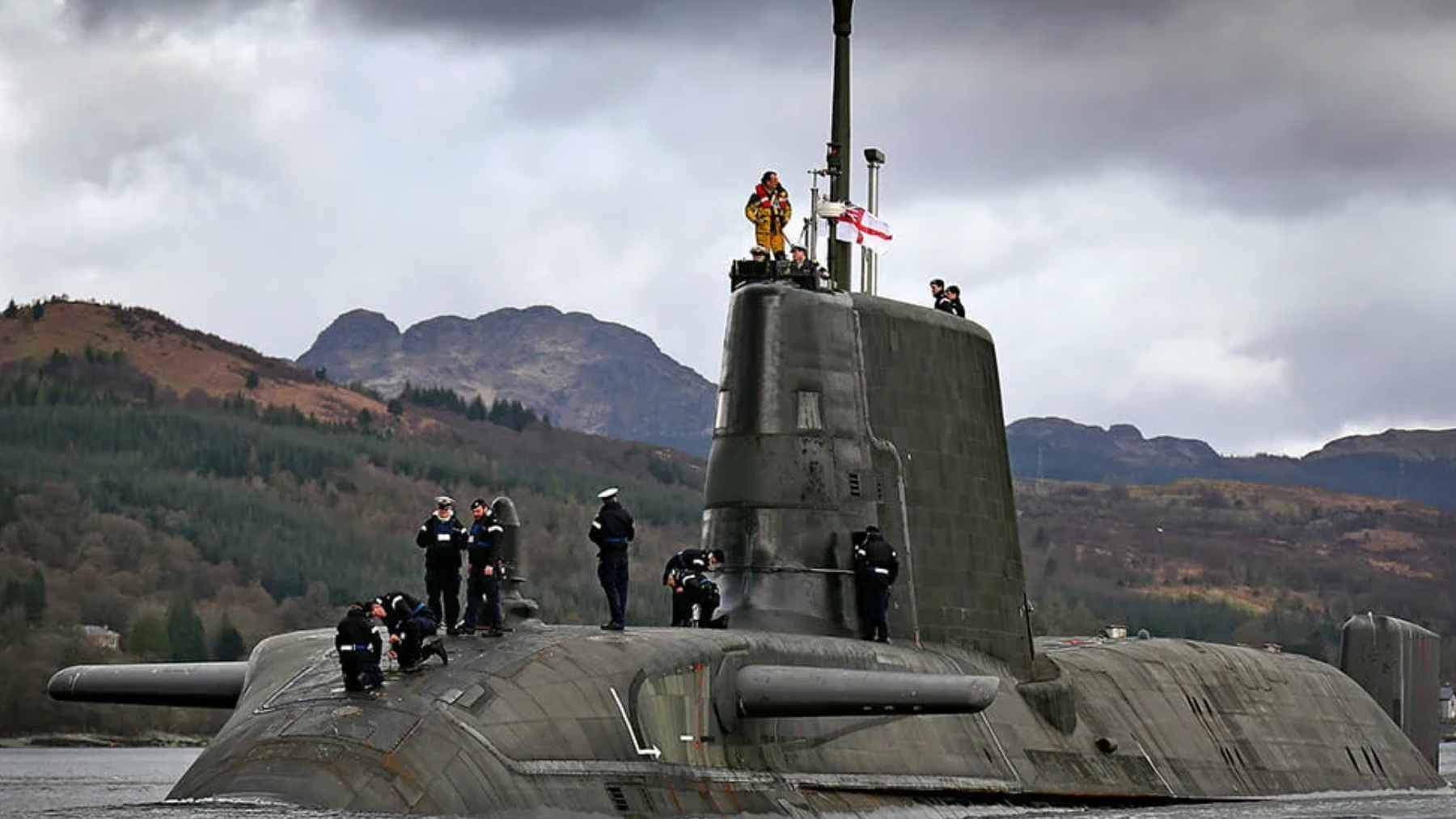
Mines and the threat of mines are where military planning meets environmental danger. The Associated Press reported U.S. forces are hunting for explosive mines using sonar, ordnance teams, and uncrewed systems.
A mined or struck tanker is not only a supply shock, it can become a spill emergency. In a narrow, high-traffic strait, cleanup can be slow and disruptive.
Airlines watch jet fuel like hawks
Airlines feel fuel volatility fast because they buy it in bulk every day. IATA projected jet fuel would still account for 25.8% of airlines’ operating costs in 2025, which is why price spikes often turn into surcharges.
Reuters reported Cathay Pacific raised fuel surcharges after jet fuel prices surged during the broader Middle East conflict. For travelers, it can mean pricier tickets and fewer spontaneous trips.
Travel decarbonization hits a wall
Aviation is a climate challenge that does not wait for diplomacy. The IEA estimates aviation emitted around 1 billion tons of CO2 in 2023, roughly 2.5% of global energy-related CO2 emissions.
Cleaner substitutes are growing, but slowly. IATA said sustainable aviation fuel production could reach about 2 million tons in 2025, only around 0.7% of airline fuel use, so fossil jet fuel still sets the tone.
Europe’s resilience test
For Spain and Italy, the impact is usually not a dramatic shortage, but the drip of higher transport costs into fares and freight. That can cool tourism demand across the Schengen area, especially when households are watching budgets.
Europe’s longer-term hedge is electrification and cleaner fuels, yet the economics are stubborn. EASA’s ReFuelEU reference work shows sustainable aviation fuel prices remain far above conventional jet fuel, making scale-up harder for airlines and regulators alike.
Asia and the Gulf pivot fast
Asia has the most exposure because so much Hormuz energy heads east. The IEA says about 80% of oil moving through the strait is typically destined for Asia, while alternative pipelines can redirect only a few million barrels per day.
Exporters like the UAE and Saudi Arabia, and importers like Japan and India, are leaning on supply planning and better maritime visibility.
The U.S. Treasury’s April 24 sanctions targeting Iran’s oil trade network and “shadow fleet” show how tracking ships and tracing cargo has become part of modern energy security.
What to watch next
The next phase may be messy rather than cinematic. Mine clearing, insurance pricing, and shipping confidence rarely snap back at once, and that uncertainty keeps energy and travel planning on edge.
Watch whether rerouting pushes up shipping emissions, whether airline surcharges linger into peak travel season, and whether governments treat this shock as a reason to speed up cleaner energy.
The press release was published on U.S. Department of the Treasury.