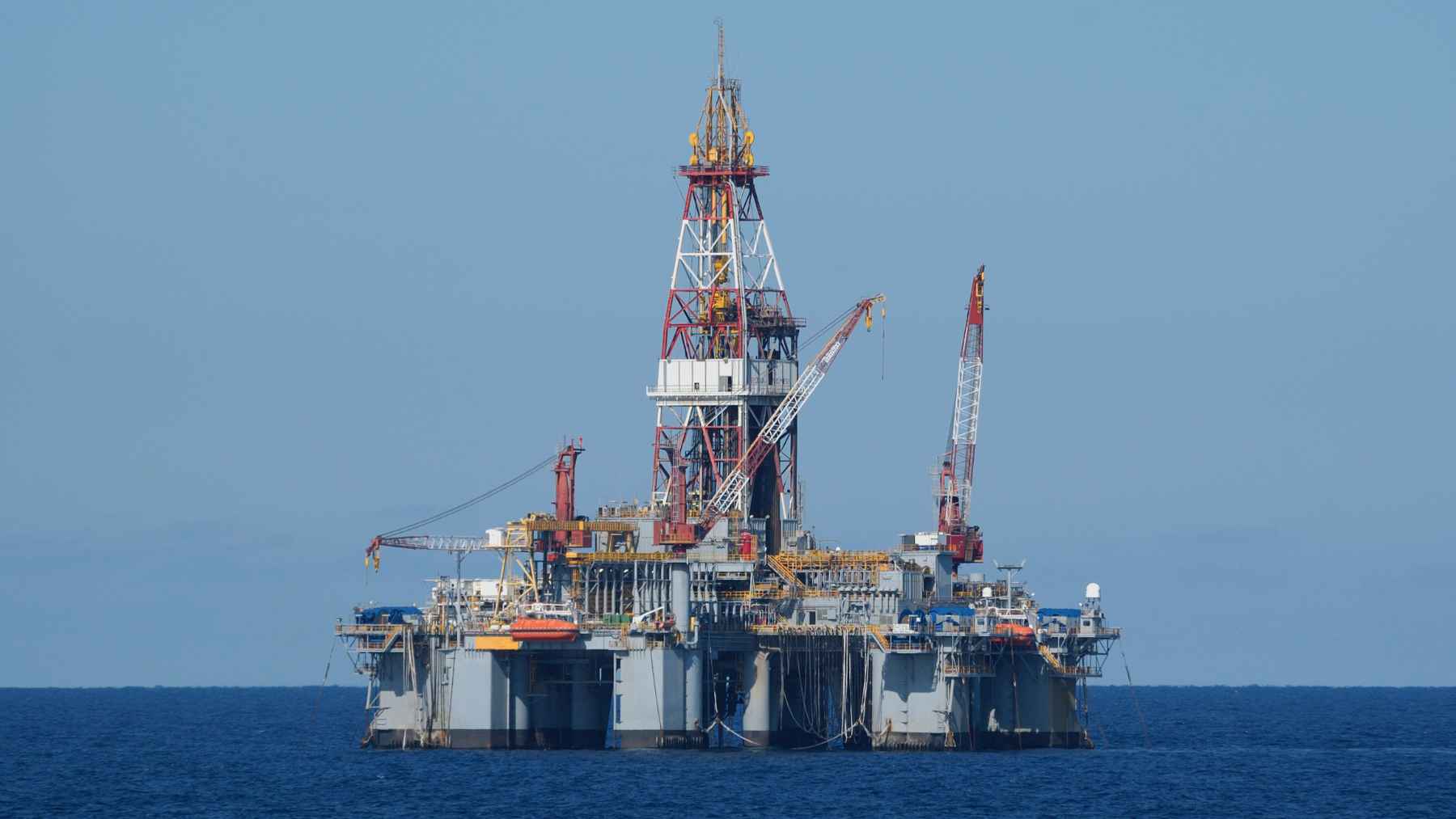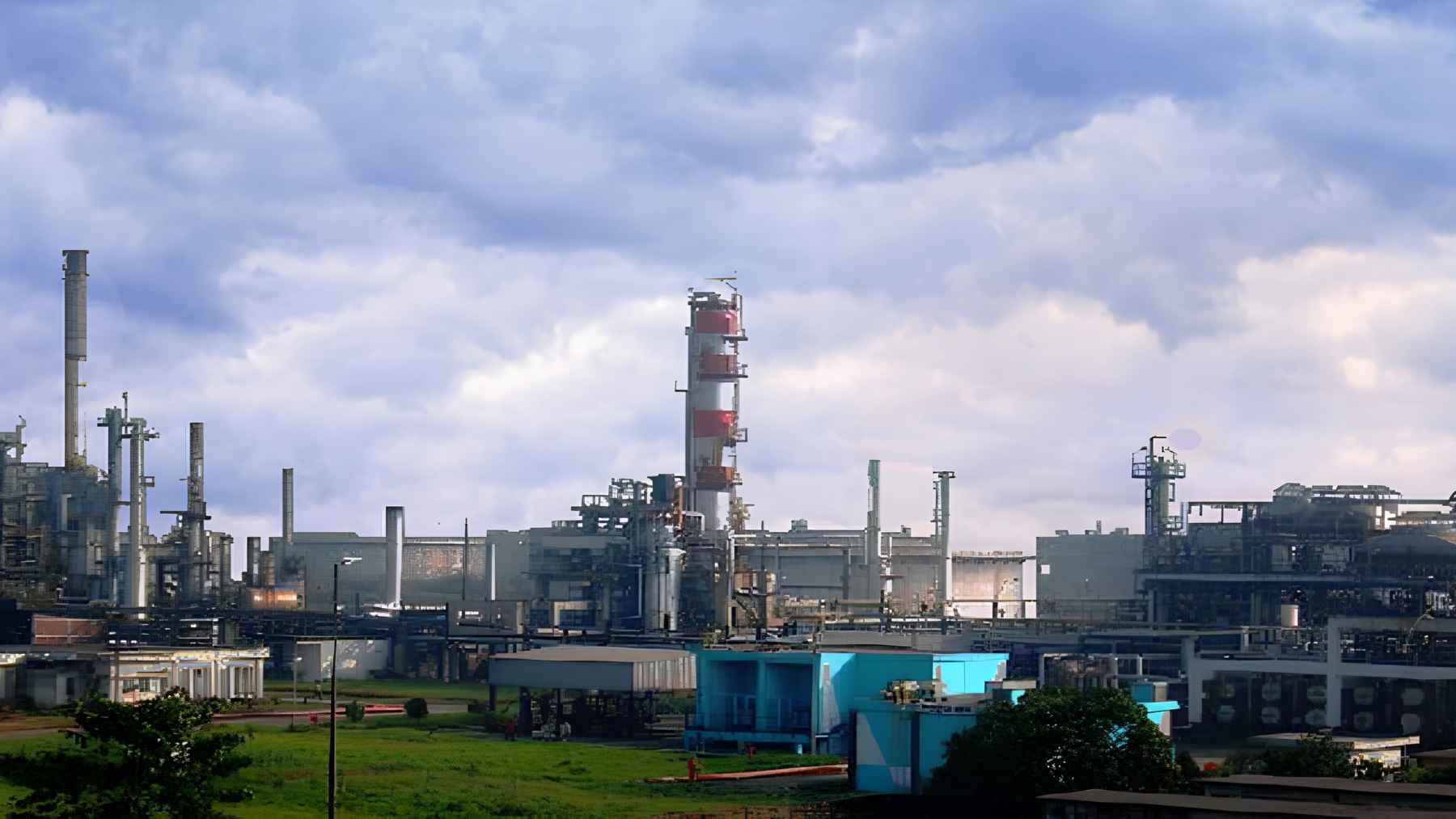
Bangladesh has approved roughly $1.004 billion in Islamic Development Bank financing to expand Eastern Refinery Limited, the country’s only crude oil refinery. The second unit in Chattogram is designed to triple national refining capacity, reduce dependence on imported fuel products, and strengthen supply security after years of global energy disruption.
The promise sounds straightforward, but the trade-off is not. Bangladesh could gain cleaner gasoline and diesel, lower import costs, and more control over its fuel supply, while also taking on floating-rate debt and locking in a much larger fossil-fuel asset through 2030.
A costly route to energy security
The financing is split into two lease packages worth $520.59 million and $483.10 million, plus a $600,000 technical assistance grant. Based on the six-month SOFR rate recorded on July 5, the initial markup was 5.44627%, and the rate can move as the benchmark changes.
The loan runs for 20 years, including a five-year grace period, followed by payments every six months for 15 years. A simple calculation puts the annual markup near $54.7 million if the full principal were outstanding at the starting rate, although actual costs will depend on disbursement, repayment, and future SOFR movements.
That uncertainty matters. Bangladesh’s Economic Relations Division classified both packages as “highly non-concessional,” with negative grant elements of 3.12% and 3.24%, meaning the terms are less favorable than the benchmark used to measure concessional support.
Three times the refining capacity
Using Bangladesh Bank’s July 22 reference exchange rate, the revised project cost is about $2.51 billion. The government share works out to roughly $1.50 billion, while Bangladesh Petroleum Corporation is expected to provide about $1.01 billion from its own resources.
Eastern Refinery can currently process about 1.65 million U.S. tons of crude oil each year. The new unit would add roughly 3.31 million U.S. tons, bringing total annual capacity to about 4.96 million U.S. tons and potentially replacing a significant share of imported refined products.
That is the business case in plain terms. The refinery now meets only about 20% of Bangladesh’s petroleum demand, leaving the country exposed to foreign exchange costs, shipping disruptions, and sudden changes in international refining margins.
Cleaner fuel is not clean energy
The environmental benefit rests mainly on fuel quality. The expanded refinery is expected to produce about 661,000 U.S. tons of Euro-5 gasoline and 1.21 million U.S. tons of Euro-5 diesel each year, while upgrading products from the existing unit to the same specification.
Low-sulfur fuel can make a real difference on city streets. The United Nations Environment Programme identifies 10 parts per million sulfur as the global target for cleaner road fuel, while the U.S. Environmental Protection Agency says lower sulfur allows advanced emissions controls to work better and reduces air pollution.
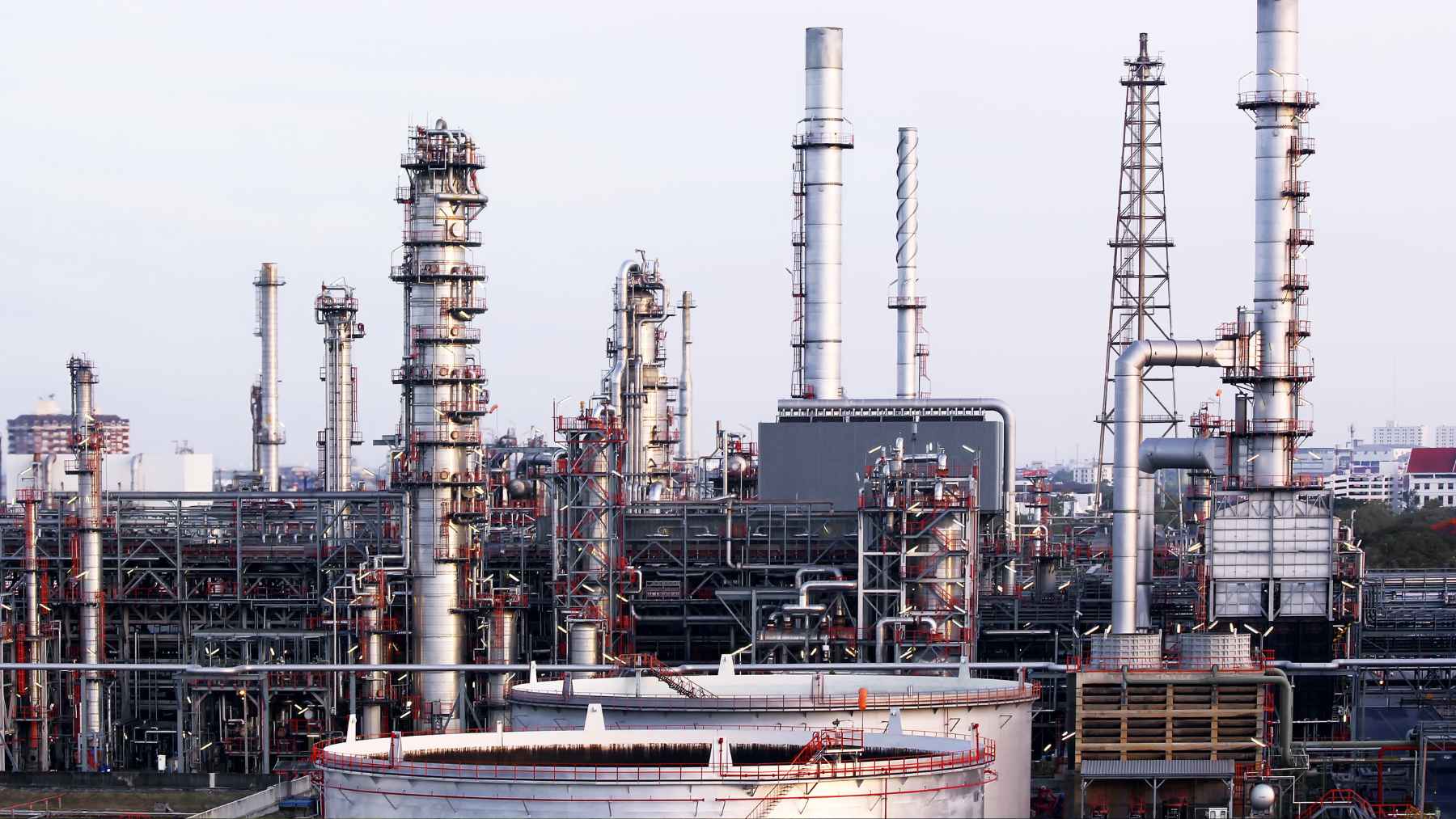
Still, cleaner is not the same as clean. The project will also produce fuel oil, jet fuel, liquefied petroleum gas, and other petroleum products, and burning those fuels will continue to release greenhouse gases even if sulfur and local pollutants fall.
The environmental test comes later
The project information does not spell out the refinery’s expected greenhouse gas emissions, energy use, wastewater treatment, flare controls, spill prevention systems, or pollution-monitoring requirements. That does not mean those safeguards are absent, but it does mean the environmental case cannot be judged from fuel specifications alone.
The refinery’s performance will depend on what happens inside the fence line. Modern processing equipment, reliable sulfur removal, tight leak controls, transparent monitoring, and properly treated wastewater will matter just as much as the Euro-5 label on the final product.
Bangladesh Petroleum Corporation has already completed a single-point mooring system with twin pipelines capable of carrying the planned crude volume. The next question is whether the same attention will be given to maintenance, emergency response, and public reporting over the refinery’s operating life.
Years of delay raise the stakes
Plans for a second refinery unit were first announced in 2010, and an earlier project was approved in 2013. Construction never began, costs climbed, financing plans changed, and the proposal moved through several versions before the current government revived it.
That history is more than a bureaucratic footnote. A late refinery leaves Bangladesh paying for imported products for longer, while a delayed project financed at a floating rate can become more expensive before it produces a single gallon.
The current schedule runs through June 2030. Officials have urged agencies to finish on time, and that may be the most important condition of all because the economics weaken quickly when large infrastructure projects drift.
The numbers to watch
Government meeting minutes cited by The Business Standard estimate that ERL-2 could save Bangladesh about $473 million a year, or roughly $20 for every barrel of crude processed instead of buying finished fuel abroad. That forecast equals almost 19% of the revised project cost, but it is not the same as profit because operating expenses, financing costs, maintenance, and market prices still have to be counted.
So what should the public watch? The clearest tests will be whether construction stays on schedule, whether the refinery reaches high utilization, whether Bangladesh Petroleum Corporation can service the debt without new state support, and whether air-quality gains are measured rather than promised.
This is a bet that a costly domestic refinery will be safer than continued dependence on imported petroleum products. It may strengthen energy security and reduce sulfur pollution, but its success will depend on disciplined execution, transparent environmental safeguards, and a repayment plan that can survive changing interest rates.
The statement was published on Islamic Development Bank.