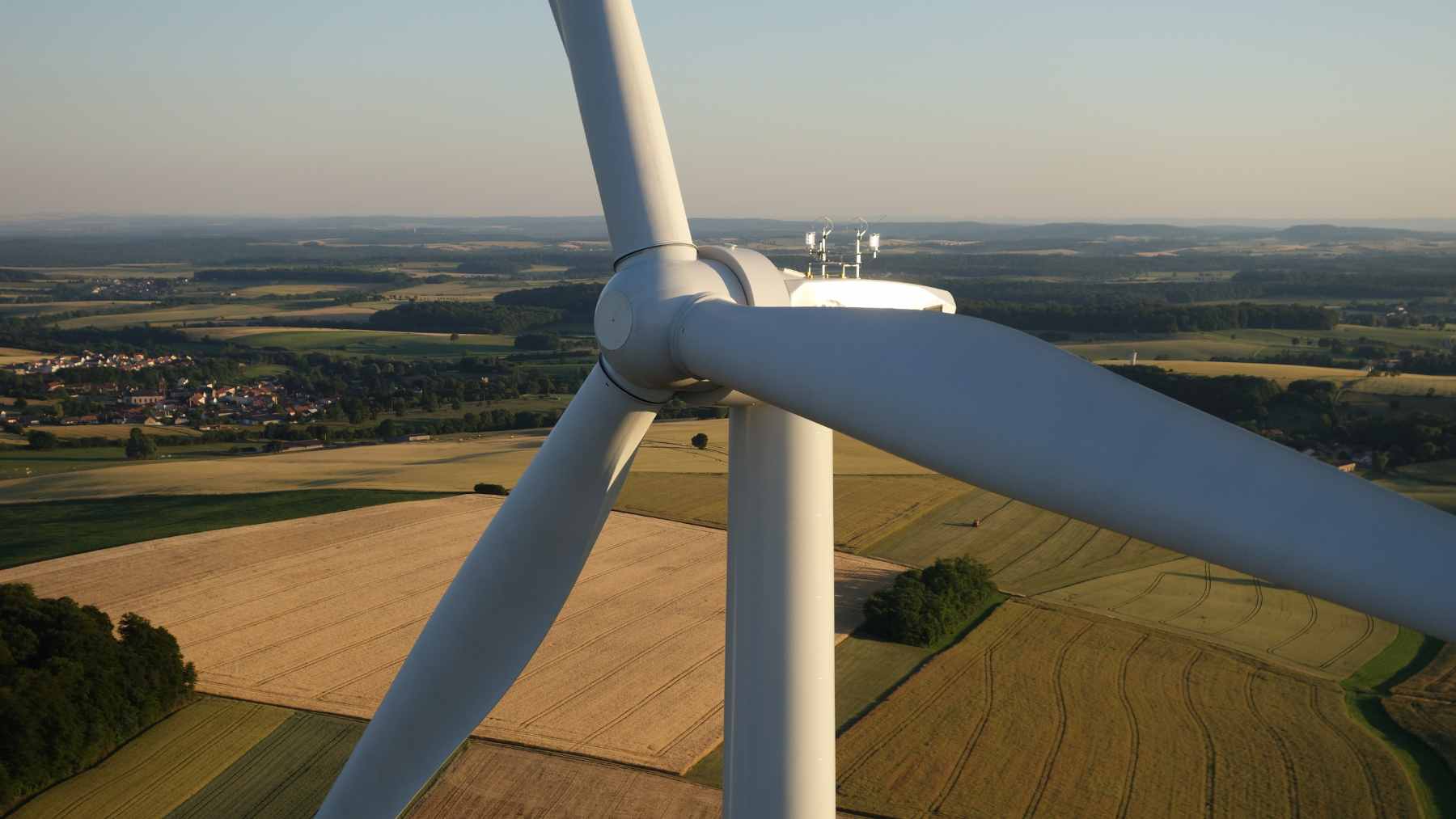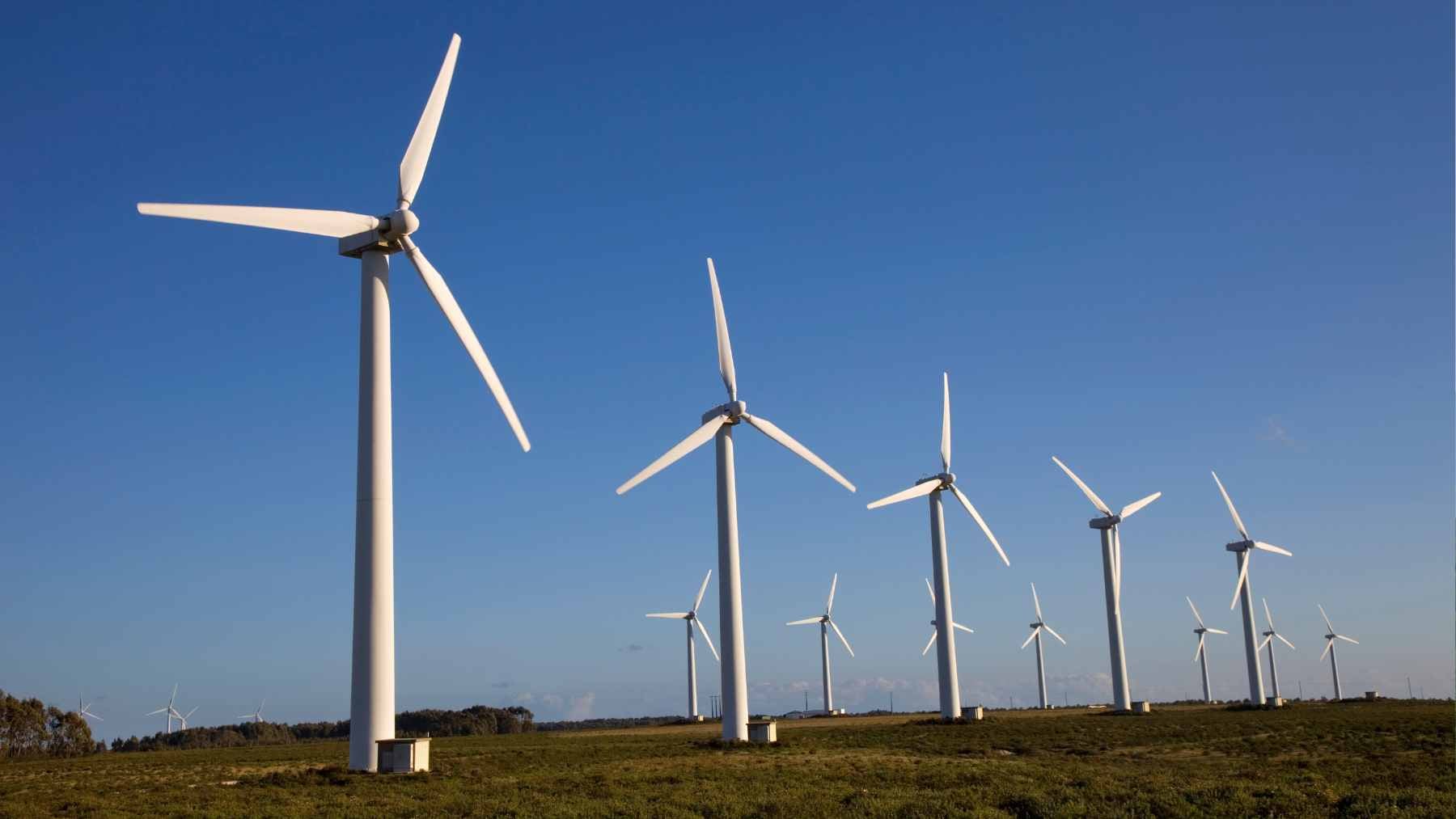
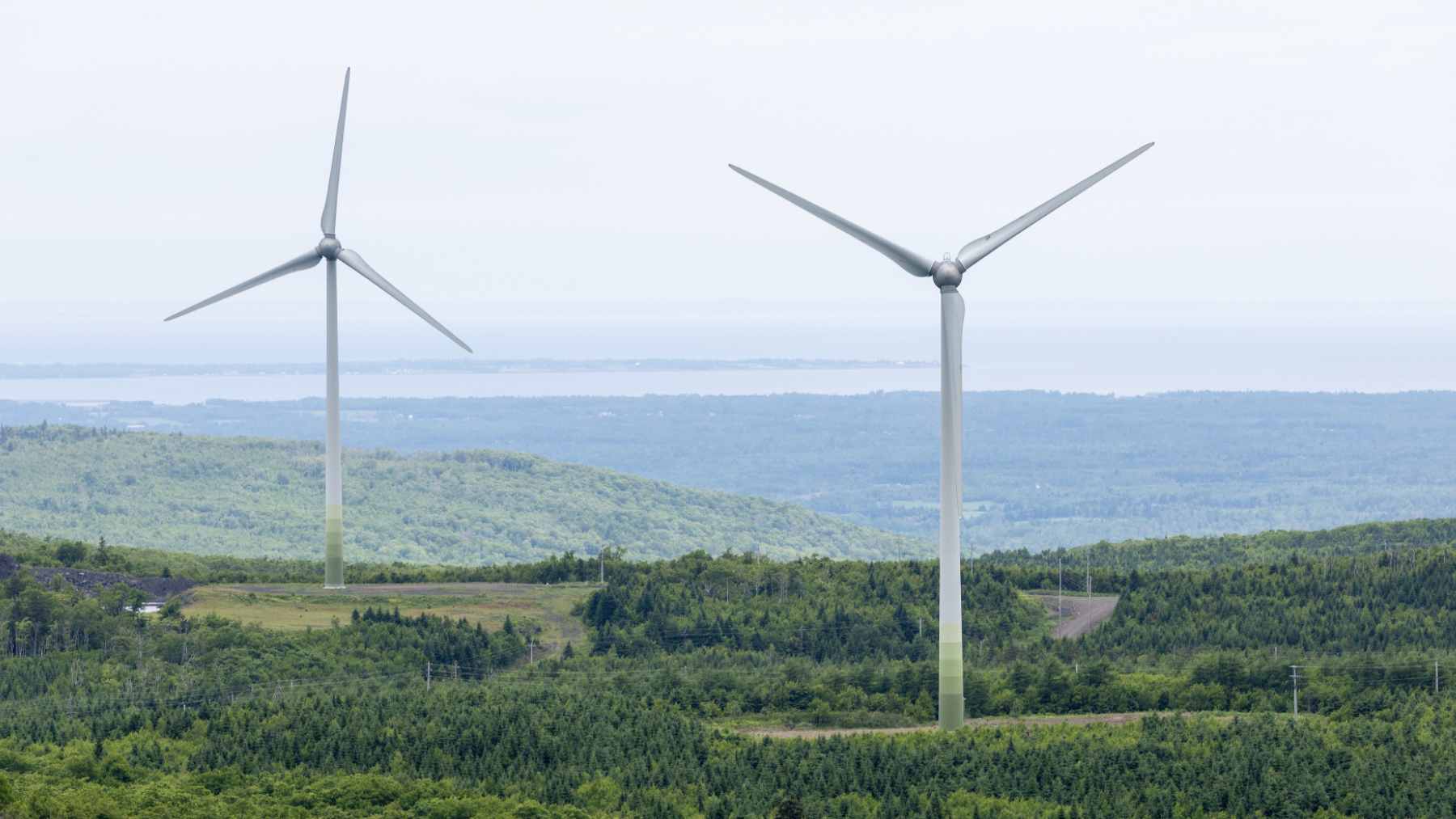
Nova Scotia has approved the Ocean Lake Wind Project, a 1,264-megawatt development in Guysborough County that could become the largest wind farm ever built in the province. The plan allows up to 158 turbines near New Harbour, Goldboro, Larry’s River, Lundy, and Roachvale, with each machine reaching roughly 727 feet at the blade tip.
The project is being advanced by EverWind NS Holdings and Membertou Development Corp., the development arm of Membertou First Nation.
On paper, that is enough clean electricity for about 404,000 homes. But Ocean Lake is not simply another power project. It is designed to feed EverWind’s much larger green hydrogen and ammonia strategy, which means its success will depend not only on wind and permits, but also on financing, environmental compliance, and buyers willing to sign long-term contracts.
A wind farm at a new scale
Once operating, provincial officials estimate the project could avoid about 2.14 million U.S. tons of greenhouse gas emissions each year, roughly the same impact as removing 420,000 gasoline-powered cars from the road. That would arrive as Nova Scotia works toward 80 percent renewable electricity and a coal phaseout by 2030.
Construction is expected to start in 2029 and last about five years. The province projects 400 to 500 construction jobs, followed by 40 to 50 operations roles, while Guysborough’s municipal government could receive around $7.8 million a year in tax revenue in U.S. dollars, using the Bank of Canada’s July 17 exchange rate.
The turbines would operate for an expected 35 years. For nearby communities, that makes Ocean Lake less like a short construction boom and more like a new industrial neighbor that could shape roads, employment, and local budgets for a generation.
The hydrogen connection
Why build so much wind power in one rural area? Ocean Lake is intended to support the second phase of EverWind’s Point Tupper Green Fuels Project in Cape Breton, where renewable electricity would split water to make hydrogen and then combine it with nitrogen to produce ammonia.
EverWind’s current project materials place the broader Guysborough wind portfolio at up to 2.5 gigawatts.
The first phase is tied to more than 650 megawatts from four earlier wind projects and is projected to produce about 220,000 U.S. tons of clean ammonia a year. A second phase could add roughly 882,000 tons annually, turning the coastal terminal into an export-oriented fuel hub rather than a conventional power plant.
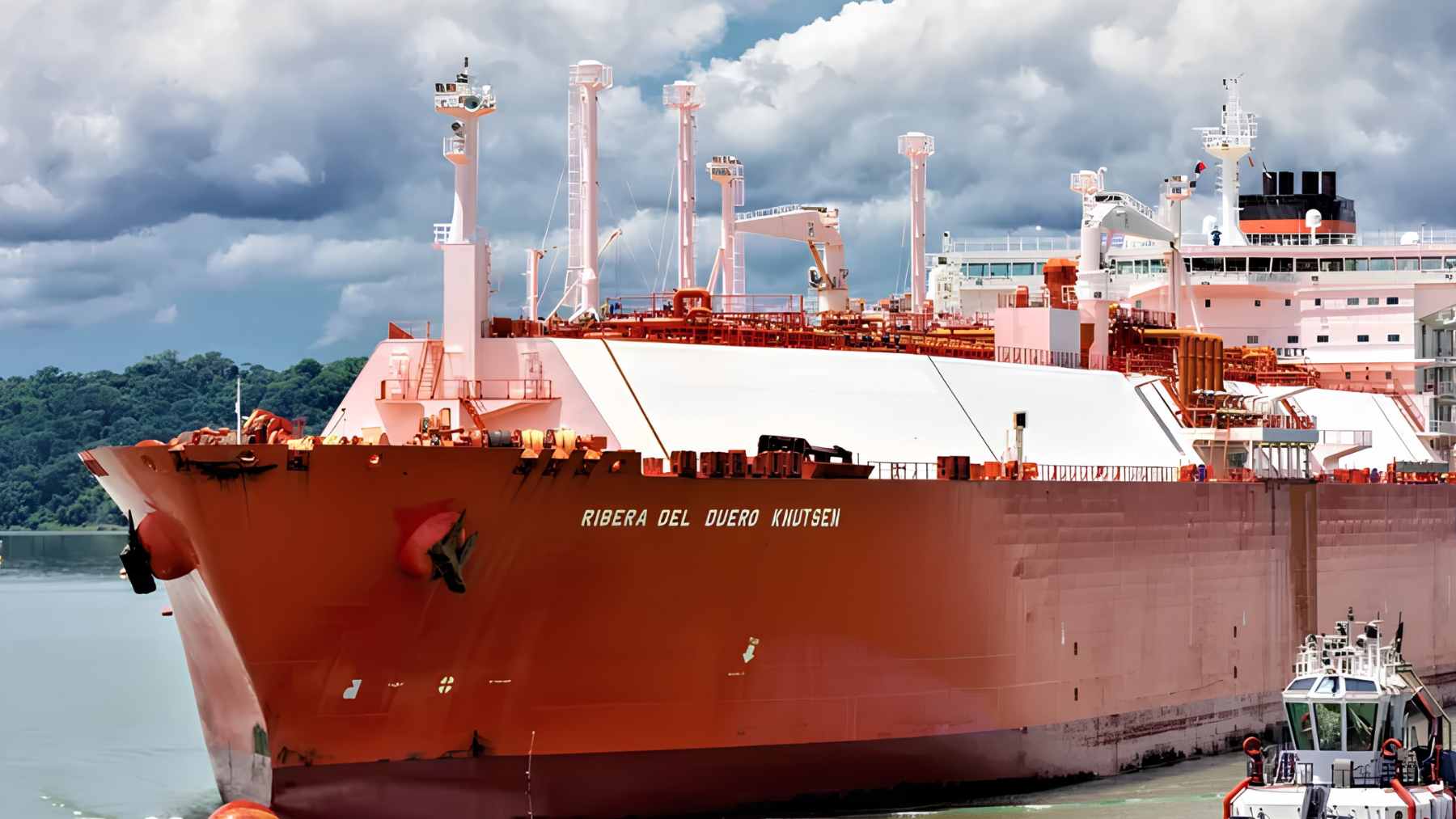
Ammonia matters because pure hydrogen is awkward and expensive to move over long distances. It can carry hydrogen in a liquid that fits existing shipping practices more readily, although converting hydrogen into ammonia adds equipment, cost, and another layer of safety management.
Canada and Germany have been building a potential transatlantic supply corridor around that idea since 2022.
A multibillion-dollar business bet
The first phase alone has been estimated at roughly $1.43 billion in U.S. dollars. EverWind secured a $175 million strategic investment from Nuveen in March, a substantial step, but still well below the reported cost of the first stage.
There is a wider industrial argument here. Exporting low-carbon ammonia could give Atlantic Canada a new energy trade while helping European buyers diversify their energy imports, but the project must compete with established hydrogen and ammonia made using fossil fuels.
That is why the wind approval matters so much. Renewable electricity is the main input for producing green hydrogen, and a project of this size could give EverWind a large supply connected to Point Tupper through its planned transmission system.
Environmental approval has limits
The province attached 61 conditions, and several are specific enough for residents to understand. Operating noise cannot exceed 40 dBA at permanent or seasonal properties, shadow flicker is capped at 30 minutes a day or 30 hours a year, and water wells within about half a mile of blasting must be tested beforehand.
Wildlife protections require another year of baseline bird and bat work, at least two years of mortality monitoring after turbines start, and surveys for mainland moose within about 1.2 miles of the project footprint. The developers must also create a community liaison committee and a Mi’kmaq communication plan.
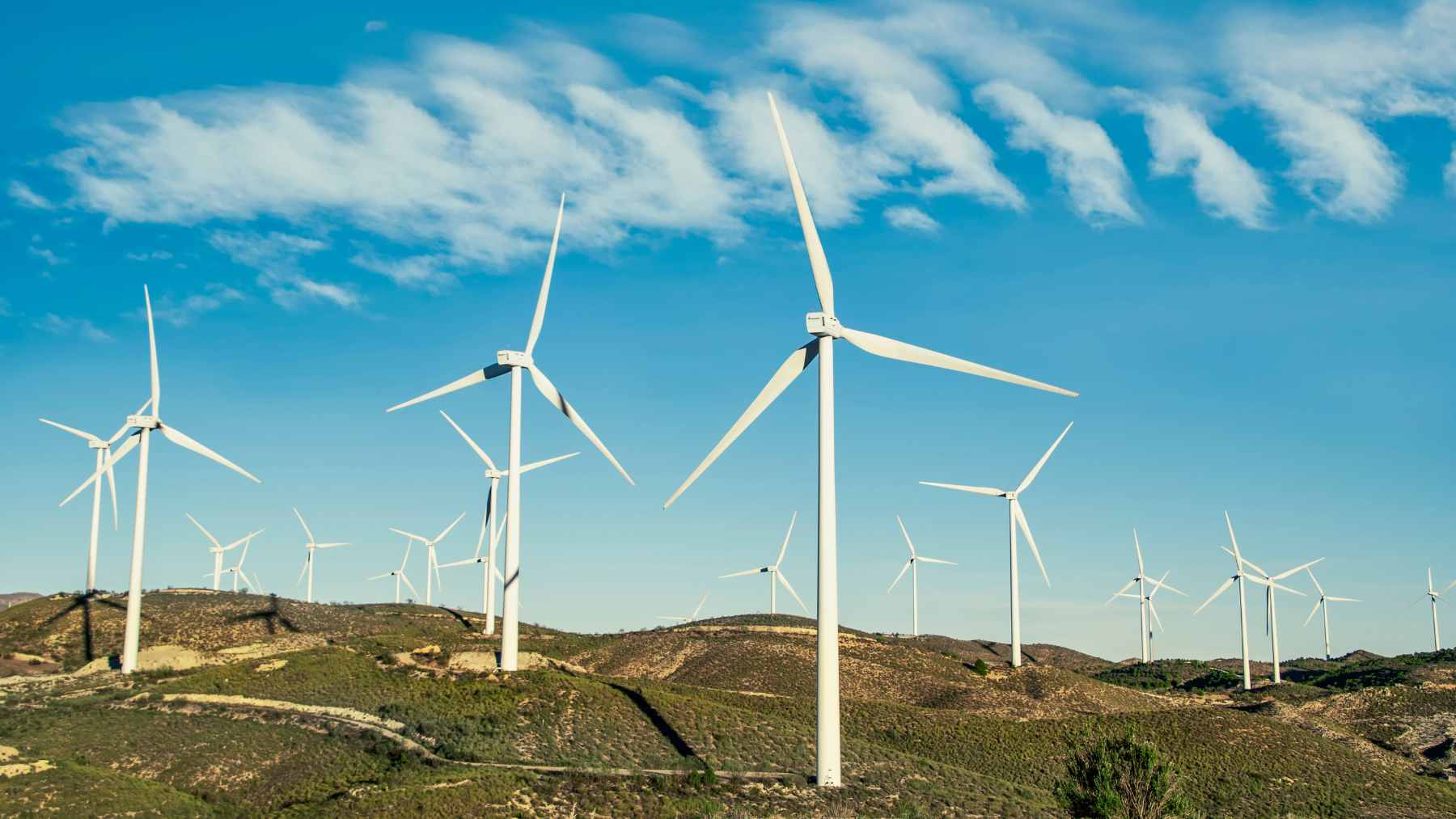
The physical footprint is still large. The assessment anticipates roughly 139 miles of project roads, including about 80 miles of new construction, and an estimated 4,240 acres of clearing, though the project filing says much of that disturbance would be temporary and allowed to revegetate.
Harvested and already disturbed land was prioritized where possible, but wetland changes will require separate approvals.
The real test is demand
An environmental green light is not a construction order. The approval requires the developers to begin work within two years unless the environment minister grants an extension, while full construction is currently expected in 2029.
Final turbine placement, updated noise and shadow studies, wetland permits, financing, and customer contracts still stand between Ocean Lake and commercial operation.
EverWind signed memoranda with E.ON and Uniper in 2022 that called for negotiations toward binding ammonia purchases, but in a March 2026 interview CEO Trent Vichie said the company had not yet signed a customer. That gap matters.
The IEA says uncertainty over demand remains one of the biggest barriers for low-emissions hydrogen, with binding purchase agreements covering less than about 2.2 million U.S. tons a year worldwide. In practical terms, Ocean Lake has secured an environmental path, but Point Tupper still needs a market before this clean-energy bet becomes an operating business.
The official statement was published on Government of Nova Scotia.