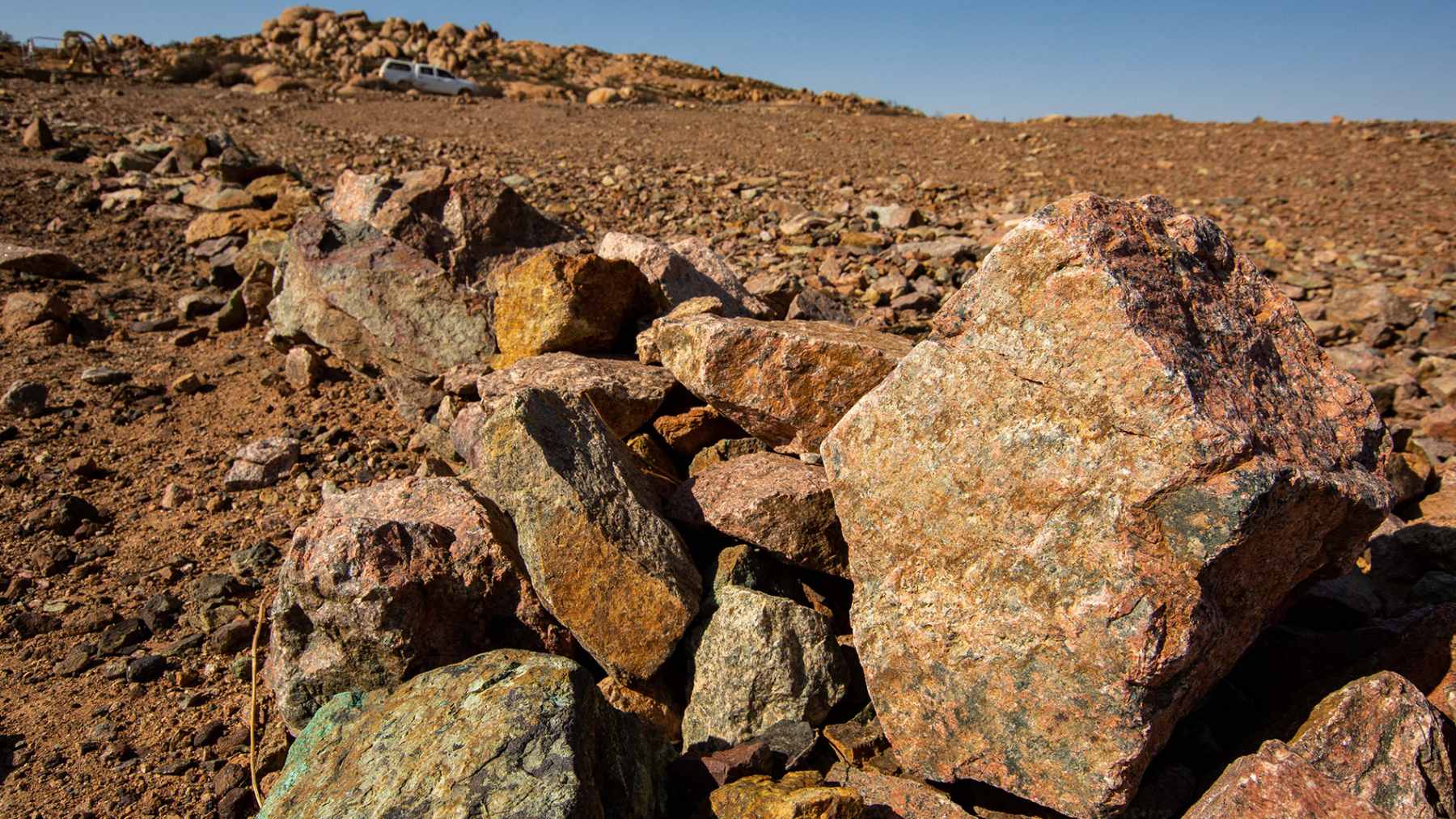
A South African mine that sat quiet for more than six decades has just moved from geological promise to strategic proof. Steenkampskraal Monazite Mine in the Western Cape and Mintek say they have produced high-purity, mixed rare earth products at laboratory facilities, a milestone they call the foundation for commercial production before the end of 2026.
That may sound like just a narrow mining story. However, rare earths sit inside electric vehicle motors, wind turbines, smartphones, medical systems, and defense hardware, so one mine in South Africa could end up mattering far beyond the edge of the Western Cape.
A sleeping mine wakes up
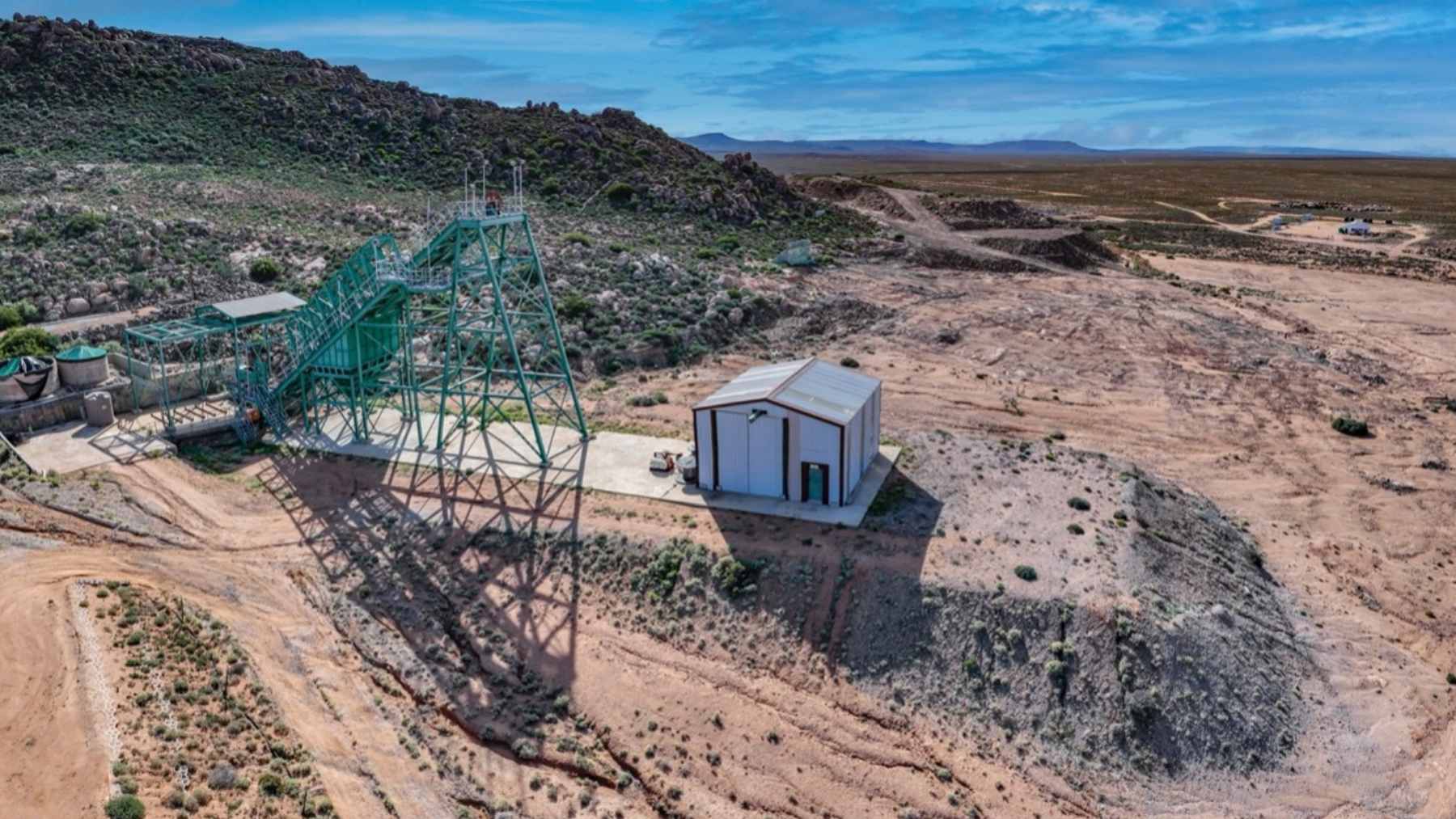
Steenkampskraal was first opened in 1952 by Anglo American and later placed on care and maintenance after operations stopped in 1963. The project was formally brought out of that long pause in 2024, after approvals from South Africa’s National Nuclear Regulator and the Department of Mineral and Petroleum Resources.
The company says funding for the first phase metallurgical processing plant has been secured through the Industrial Development Corporation. Construction is already underway, with plant commissioning scheduled for August 2026 and first shipments expected before the end of 2026.
Why rare earths matter
Rare earths are a group of 17 elements, not usually rare in the everyday sense. The U.S. Geological Survey says the main economic sources include minerals such as monazite, bastnasite, loparite, and lateritic ion-adsorption clays.
For ordinary people, they show up in objects we barely think about. Neodymium and praseodymium help make strong magnets for small speakers and electric vehicle motors, while dysprosium and terbium help magnets keep their strength in high heat. That is why a mine can matter to everything from headphones to offshore wind.
The clean-energy angle
The International Energy Agency says demand for magnet rare earth elements has doubled since 2015 and is set to grow by another third by 2030 under today’s policy settings. It also says rare earth elements are essential for permanent magnets used in wind turbines and electric vehicle motors.
Herein lies the green paradox. Technologies that cut emissions need more mining, more processing, and more electricity. That does not make the energy transition wrong, but it does make environmental oversight, worker safety, and reliable power part of the same story.
A resource with a defense shadow
The deposit’s value is not only environmental. The U.S. Department of Energy says rare earth elements play a critical role in national security, energy independence, economic growth, and the environmental future.
The defense side is even sharper. The U.S. Defense Department says rare earth permanent magnets are used in systems including the F-35, Virginia and Columbia class submarines, drones, radar systems, Tomahawk missiles, and precision-guided weapons.
South Africa’s possible advantage
Steenkampskraal says its resource includes about 733,000 tons of ore at 14.5% total rare earth oxides, with upwards of 95,800 tons of contained rare earth oxides. It also lists proven and probable reserves of 881,500 tons at 8.68% total rare earth oxides.
Those grades matter because higher-grade deposits can reduce the amount of rock that has to be moved compared with lower-grade operations. Still, monazite can contain thorium, so radiation controls and waste handling are not side notes. Mintek says Necsa’s expertise in radioactive material handling, nuclear safety, and waste management is important to the project.
The catch is power
Eskom board chair Mteto Nyati has warned that South Africa cannot unlock its critical minerals opportunity without affordable, reliable, and secure energy. “South Africa sits on a treasure trove of platinum, manganese, chrome, vanadium–rare-earth critical minerals the world desperately needs,” he said.
This is where business ambition meets daily reality. Processing rare earths is not like charging a phone at home. It needs stable power, technical labor, water management, chemical handling, and public trust.
Not just extraction
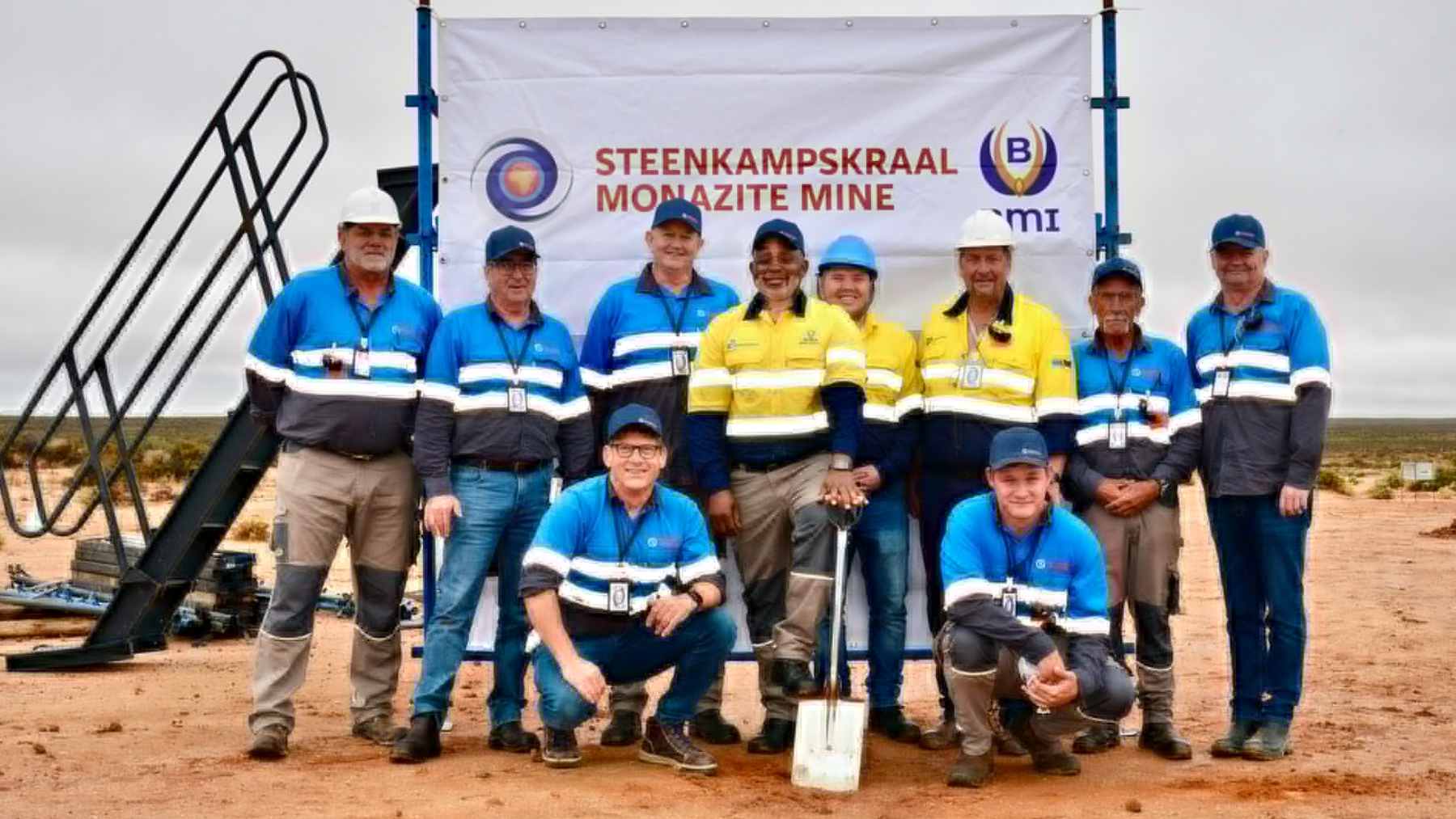
Dr. Enock Mathebula, executive chairman and shareholder of Steenkampskraal Monazite Mine, called the breakthrough “a victory for South Africa.” He said it shows the country can develop world-class technologies, create local beneficiation opportunities, and participate in global critical mineral supply chains.
The bigger promise is local value. Instead of sending raw material away and buying back higher-value products, South Africa wants to keep more of the chain at home. In practical terms, that means skilled jobs, research capacity, export revenue, and maybe a stronger seat at the critical-minerals table.
What happens next
The next milestone is not just a ribbon cutting. It is whether Steenkampskraal can move from lab success to repeatable commercial output while meeting environmental, nuclear safety, and market standards.
If it does, South Africa will not suddenly replace China. The IEA says China accounted for 60% of global mined production of magnet rare earths in 2024, 91% of refined output, and 94% of sintered permanent magnet production. But every credible new supply chain matters now.
At the end of the day, this mine is a test of whether the green industrial revolution can spread some of its value to countries that hold the minerals. The material under the ground is only the first step.
The press release was published on Steenkampskraal Monazite Mine.