A rail project rising out of the Gobi Desert has been described as a 1,118-mile engineering giant, the kind of headline that makes you stop scrolling for a second. The verified story is more modest, but it may be more important for global business, clean energy, and China’s grip on critical mineral supply chains.
Official updates point to the Ganqimaodu to Gashuun Sukhait China-Mongolia cross-border railway, not a confirmed 1,118-mile elevated bridge across the entire desert. Still, this new freight link is designed to move heavy materials through one of Asia’s toughest border regions, where sandstorms, wind, mining politics, and environmental pressure all meet on the same dusty road.
What is really being built
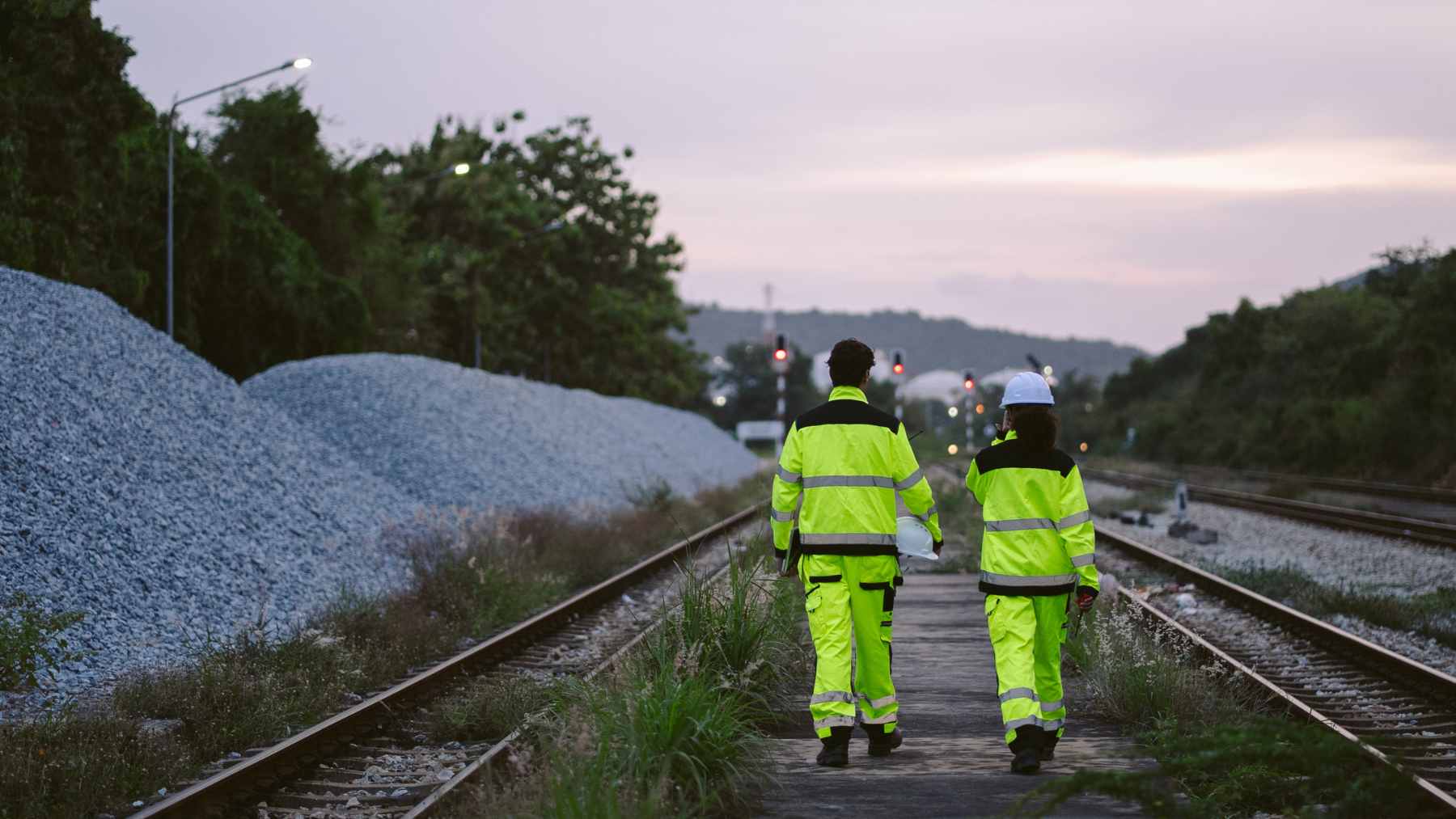
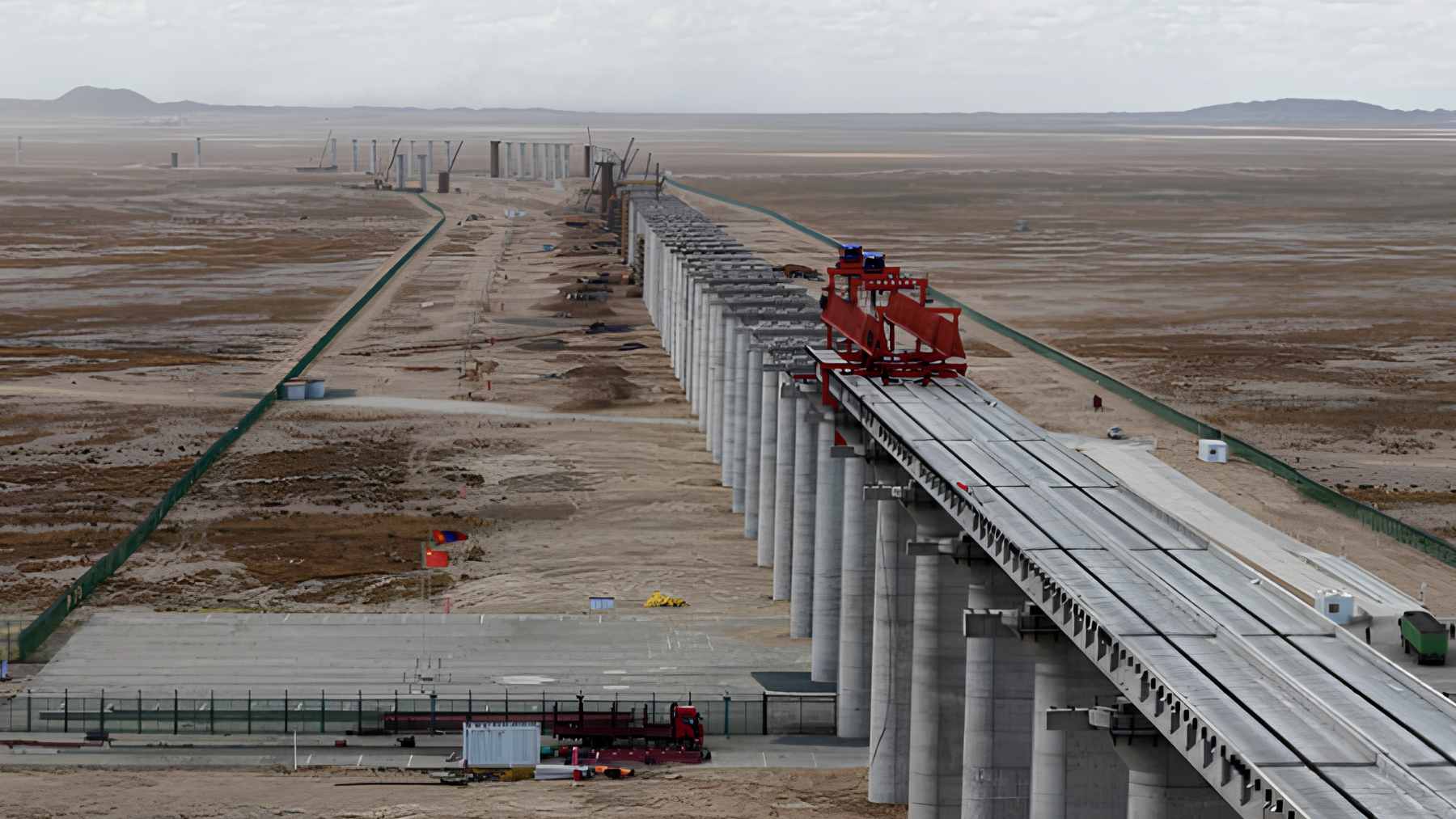
CHN Energy says crews completed the installation of all 94 T-beams on the Chinese section of the Ganqimaodu to Gashuun Sukhait project on June 13. Those beams will support the next phase of work, including bridge deck construction and track-laying operations.
The bridge structures use prestressed concrete beams of about 79 ft. and 105 ft., with the heaviest individual beam weighing about 165 tons. That is not just a neat engineering number–it tells you why millimeter-level positioning matters when workers are trying to place massive parts on complex piers in desert weather.
Why this border matters
The line exits China through Ganqimaodu Port and connects with Mongolia’s Gashuun Sukhait area in South Gobi Province. CHN Energy has described it as another major cross-border rail corridor between the two countries after the Erenhot to Zamyn-Uud link, which opened in 1956.
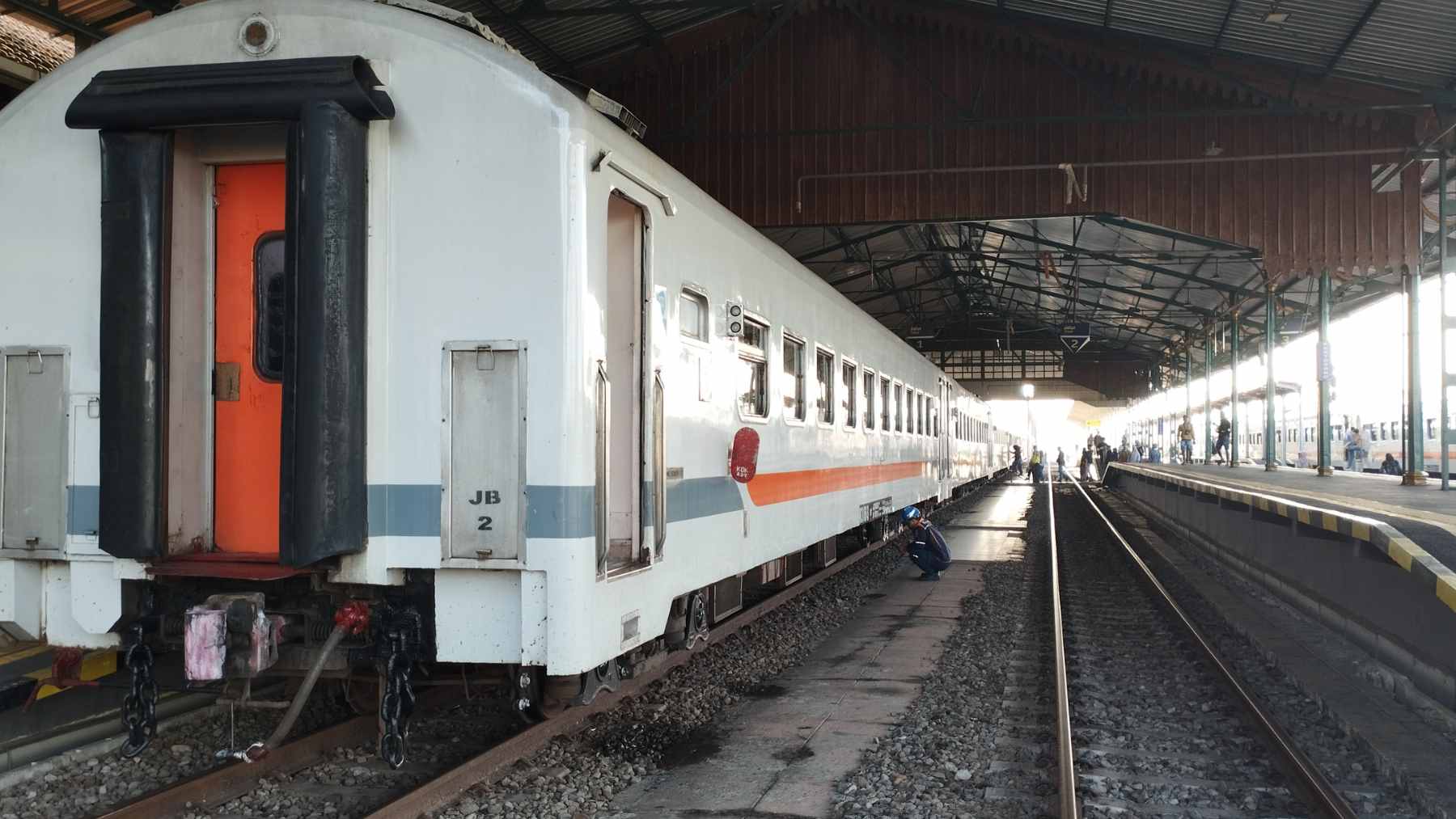
Once open, the railway is expected to connect China’s Ganquan Railway with Mongolia’s southbound railway corridor. The designed freight capacity is up to about 33 million tons a year, which means coal, copper, and other heavy cargo could move with fewer border delays.
A brutal place to build
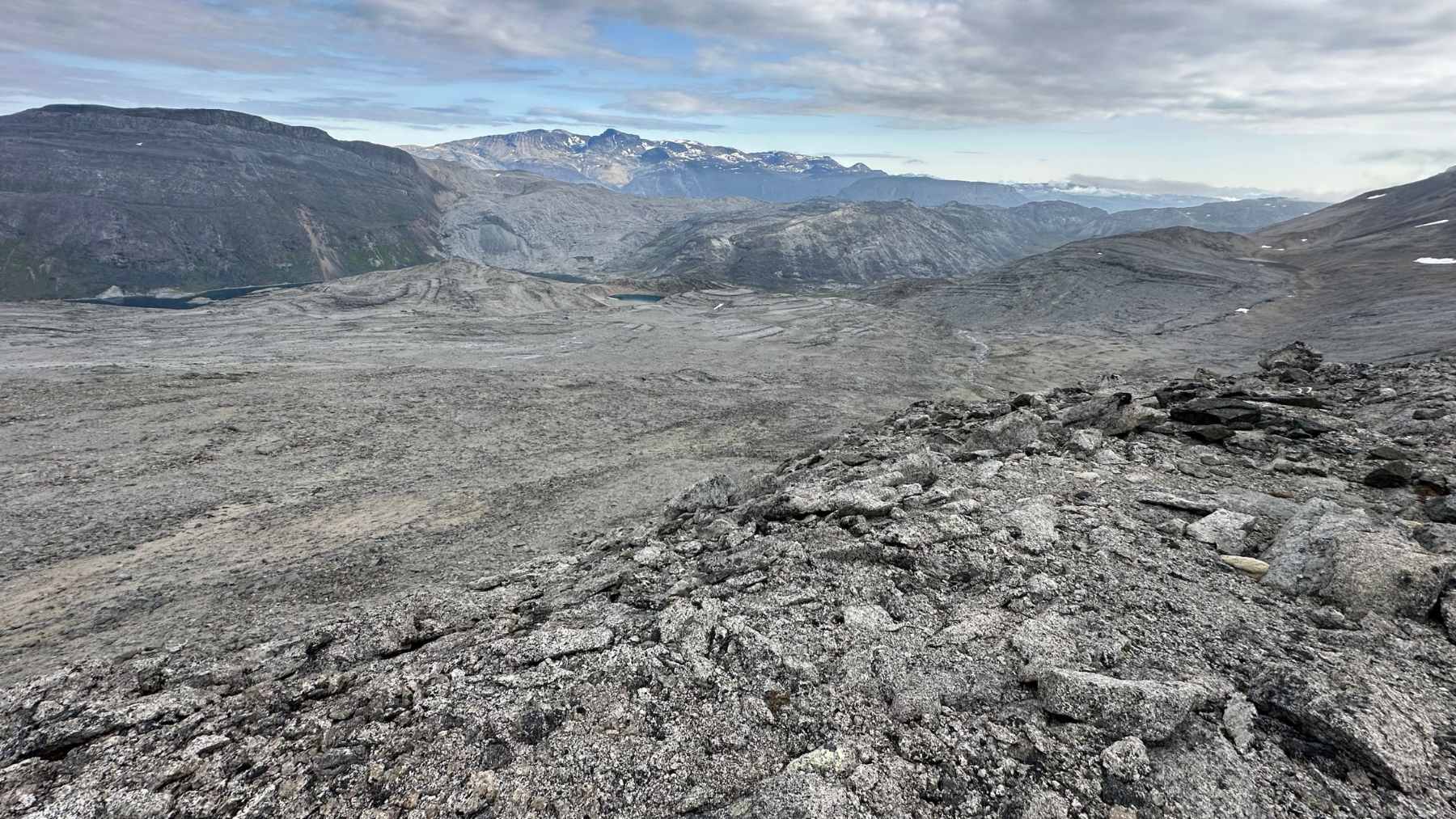
The Gobi is not a friendly construction site. CHN Energy says the project faces year-round strong winds and frequent sandstorms, conditions that make high-altitude lifting work especially difficult.
Think about trying to keep dust out of your eyes on a windy street corner. Now imagine doing that while aligning concrete beams heavier than a commercial jet. That is the everyday challenge behind this freight corridor.
The minerals behind it
The real engine of this project is not passenger travel. It is Mongolia’s mineral wealth, especially in the South Gobi, where Oyu Tolgoi has become one of the world’s most closely watched copper assets.
Rio Tinto says Oyu Tolgoi is one of the largest known copper and gold deposits in the world. By 2030, it is expected to become the world’s fourth-largest copper mine, with peak production of about 551,000 tons of copper a year.
Coal matters, too. Tavantolgoi’s own company information estimates its coal deposit at 6.5 billion tons and says its coking coal ranks among the world’s top ten by resource amount. That helps explain why a short border bridge can carry such outsized strategic weight.
Clean tech’s awkward truth
Here is the twist: the same minerals needed for electric vehicles, wind turbines, power grids, electronics, and defense systems often come from landscapes already under stress.
China’s advantage is not only in moving raw materials. The International Energy Agency says China is the top refiner for 19 of 20 strategic minerals and accounts for around 50% of global copper smelting output.
Rare earths are even more concentrated. In 2024, China represented 91% of global refined output for magnet rare earths and 94% of sintered permanent magnet production, according to the IEA. Those magnets are vital for electric motors, wind turbines, advanced electronics, and military technologies.
The environmental question
A railway can be cleaner than endless truck convoys, especially when heavy freight is moving through remote border zones. That does not make every new line automatically green, however.
Researchers studying the wider China-Mongolia-Russia corridor have warned about risks such as frozen soil, grassland degradation, desertification, reduced biodiversity, and fragile ecosystems. In practical terms, planners must look beyond freight speed and ask what happens to water, dust, habitats, and local communities after the trains start running.
The trouble is, demand is moving faster than the safeguards can be tested in real life. A new rail link can reduce bottlenecks, but it can also make extraction easier and faster.
Politics can slow steel
Infrastructure does not exist in a vacuum. On June 17, protesters blocked copper exports from Rio Tinto’s Oyu Tolgoi mine, partially cutting off the supply of a mineral important to China’s renewable energy industries, according to the Associated Press.
The protest focused on demands for Mongolians to receive a larger share of mining revenues. That is a reminder that the future of critical minerals is not just about bridges, rails, and processing plants. It is also about who benefits when the ore leaves the ground.
What happens next
CHN Energy says the Chinese section has completed its core structural installation and will now move into bridge deck and related works. The broader project is scheduled to open to traffic in 2027, giving China and Mongolia a new freight channel in a region where logistics can shape entire supply chains.
In sum, official sources do not confirm a 1,118-mile elevated bridge cutting across the whole Gobi. What they do confirm is a strategically important rail bridge tied to minerals, clean energy, trade, and environmental risk. Smaller story? Maybe. Bigger consequences? Very possibly.
The official statement was published on CHN Energy.