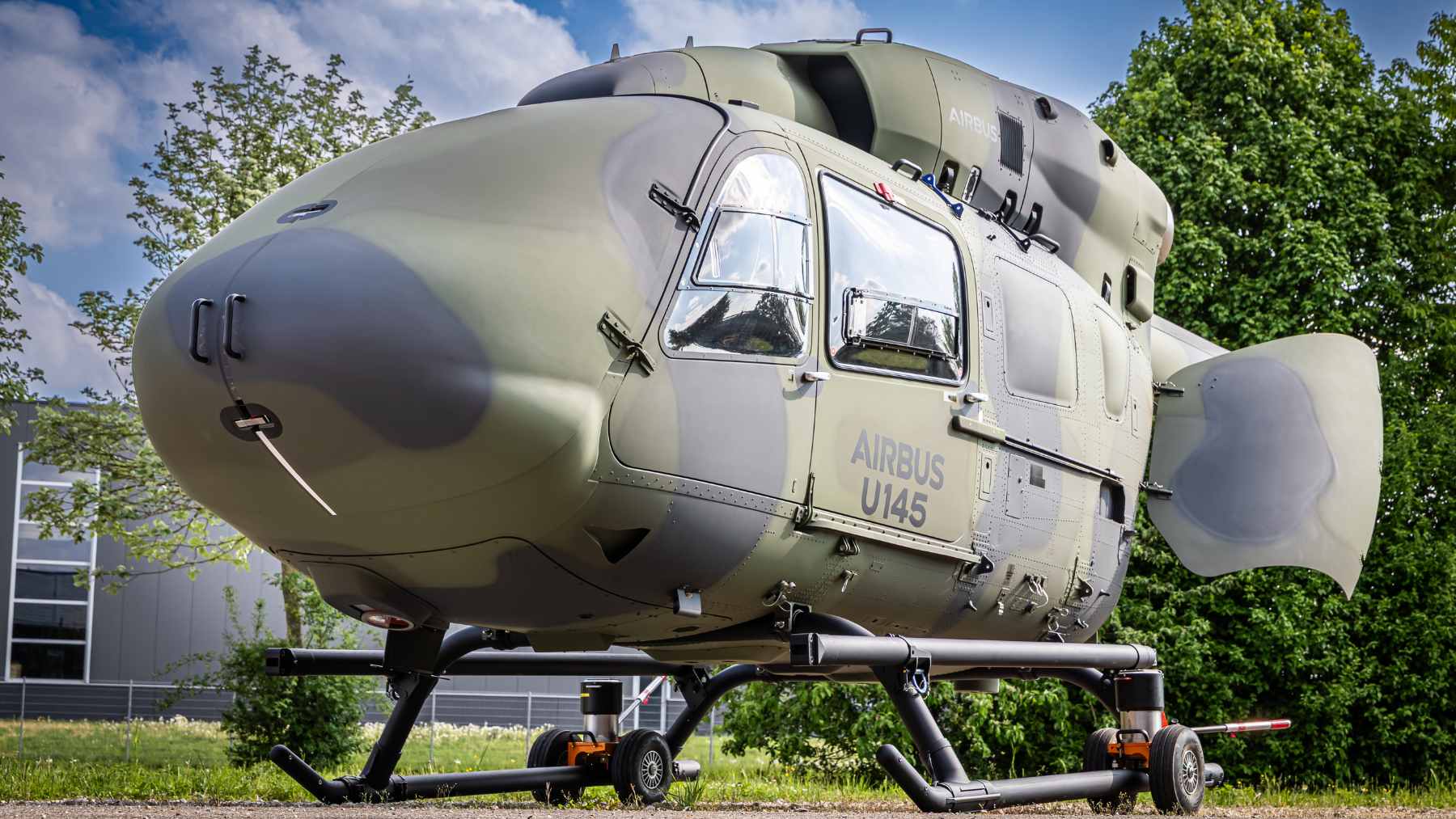
Airbus Helicopters has introduced the U145, a new autonomous aircraft based on its H145 helicopter family and designed for cargo, rescue, disaster response, surveillance, and military missions.
The company showed a full-scale mock-up at the ILA Berlin airshow and says the aircraft will replace the traditional cockpit with autonomy systems, artificial intelligence, and specialized sensors.
The big idea is simple. Why put crews in the middle of smoke, unstable terrain, or hostile airspace if a helicopter can carry out some of the riskiest work on its own? For emergency teams, military planners, and civil protection agencies, the U145 could become a flying cargo mule for the moments when sending people is dangerous, slow, or simply not practical.
A helicopter without a cockpit
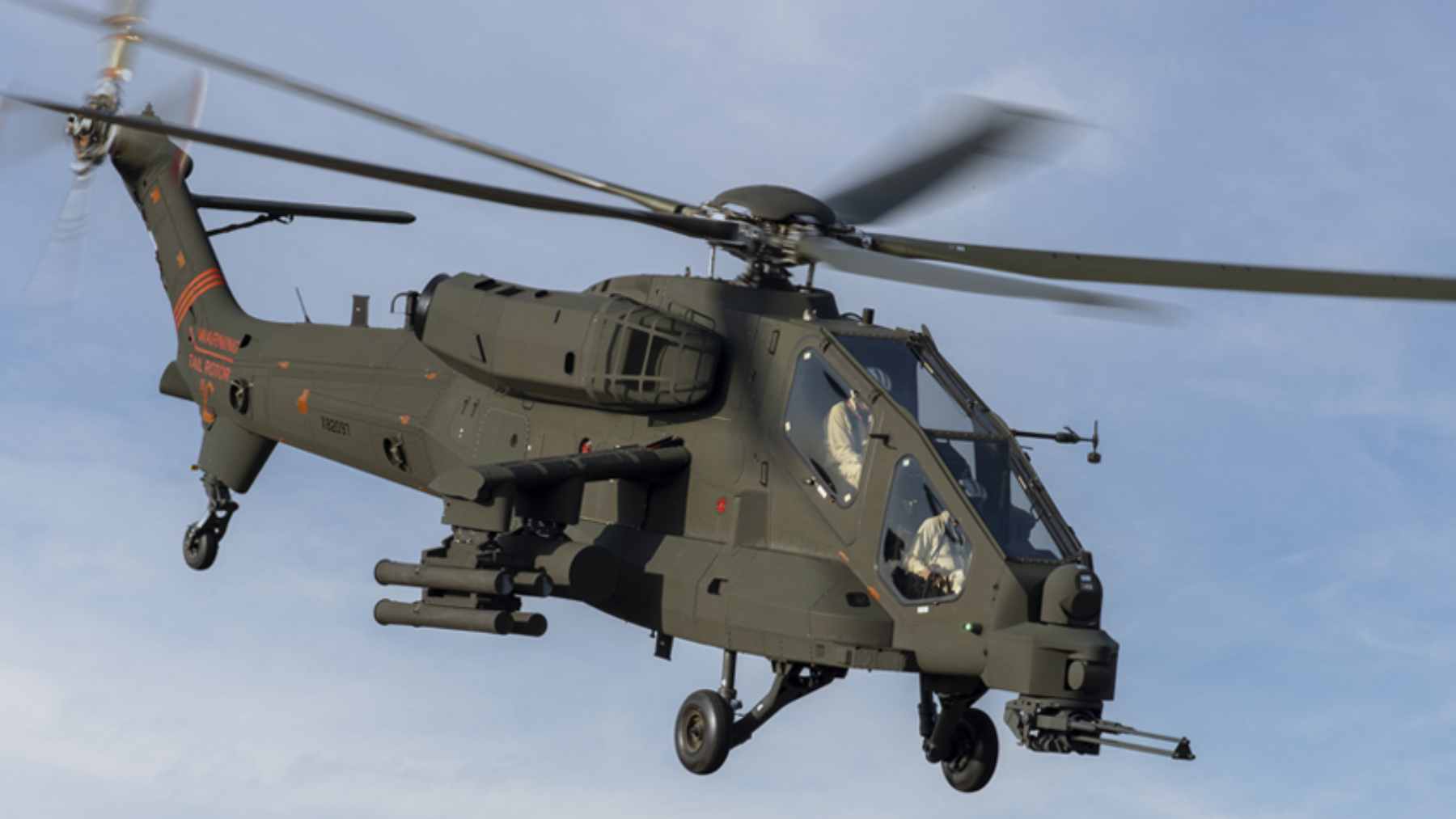
The U145 is not being presented as a small quadcopter or a light experimental drone. It is a full helicopter platform derived from the H145, one of Airbus’ most widely used twin-engine aircraft families.
That matters because Airbus is not starting with a blank sheet of paper. The company says the U145 uses a proven airframe while adding the autonomy needed for uncrewed operations, including a specialized sensor suite and AI for full autonomy.
Matthieu Louvot, CEO of Airbus Helicopters, described it as “an autonomous, uncrewed version of our H145 helicopter.” The U145 is meant to keep the muscle of a helicopter while removing the crew from the aircraft.
Built to move heavy loads
With a maximum takeoff weight of about 8,400 lbs., the U145 is being designed mainly for high-volume cargo supply. That gives it a different role from many smaller uncrewed aircraft, which are useful for cameras, sensors, or small packages but not for larger emergency or military loads.
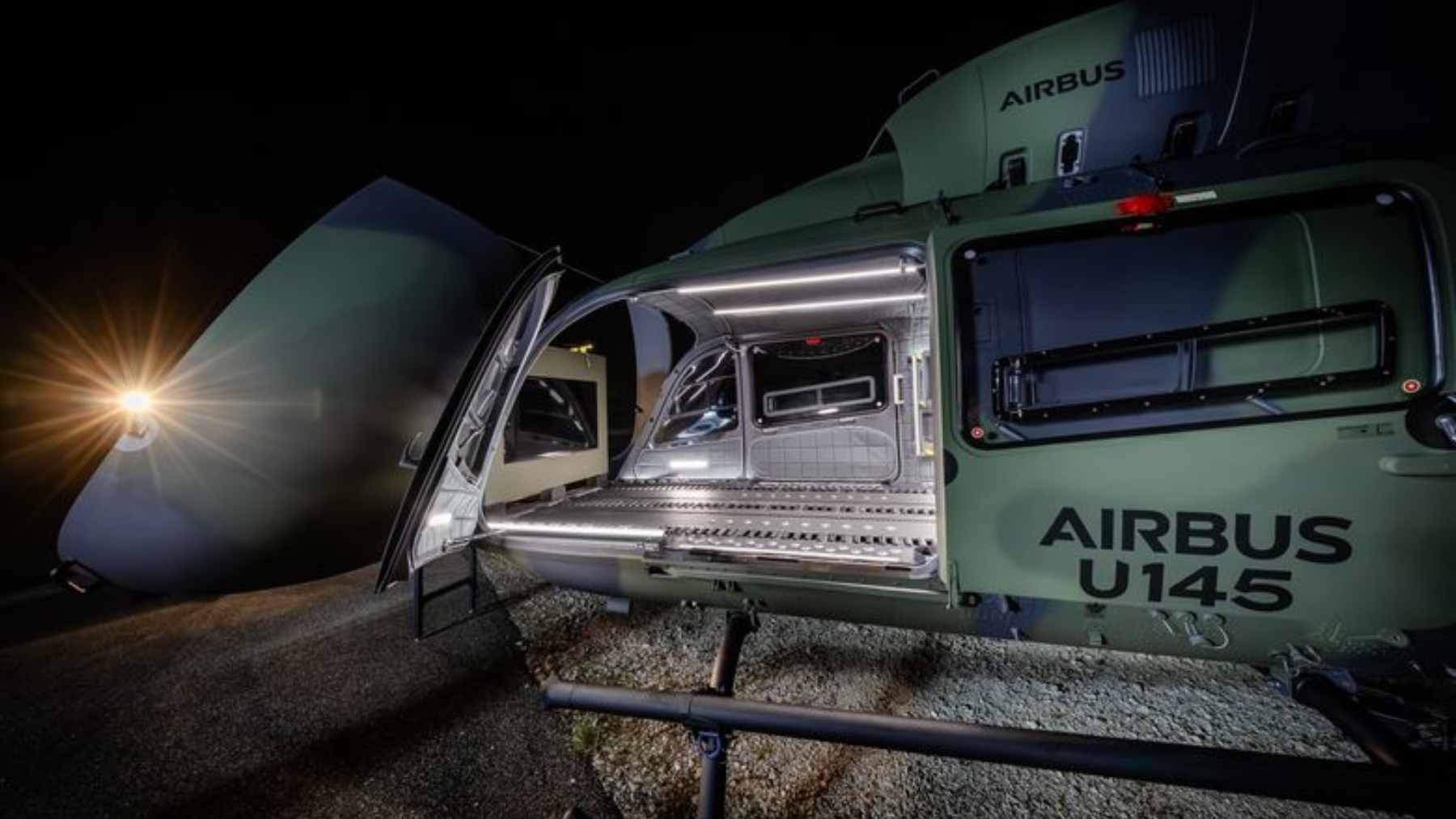
Airbus has also changed the aircraft for cargo work. The U145 will have no physical cockpit, and it will include an integrated nose door, a foldable loading table, and a dedicated cargo floor.
Essentially, the aircraft is being shaped around loading and unloading, not passenger comfort. Think food, medical supplies, equipment, or mission gear moving into places where roads may be blocked or where landing a crewed helicopter carries extra risk.
Why it matters for disaster response
The environmental angle is not that the U145 is some magic climate solution. It is still a helicopter platform, and helicopters require fuel, maintenance, manufacturing, and careful regulation.
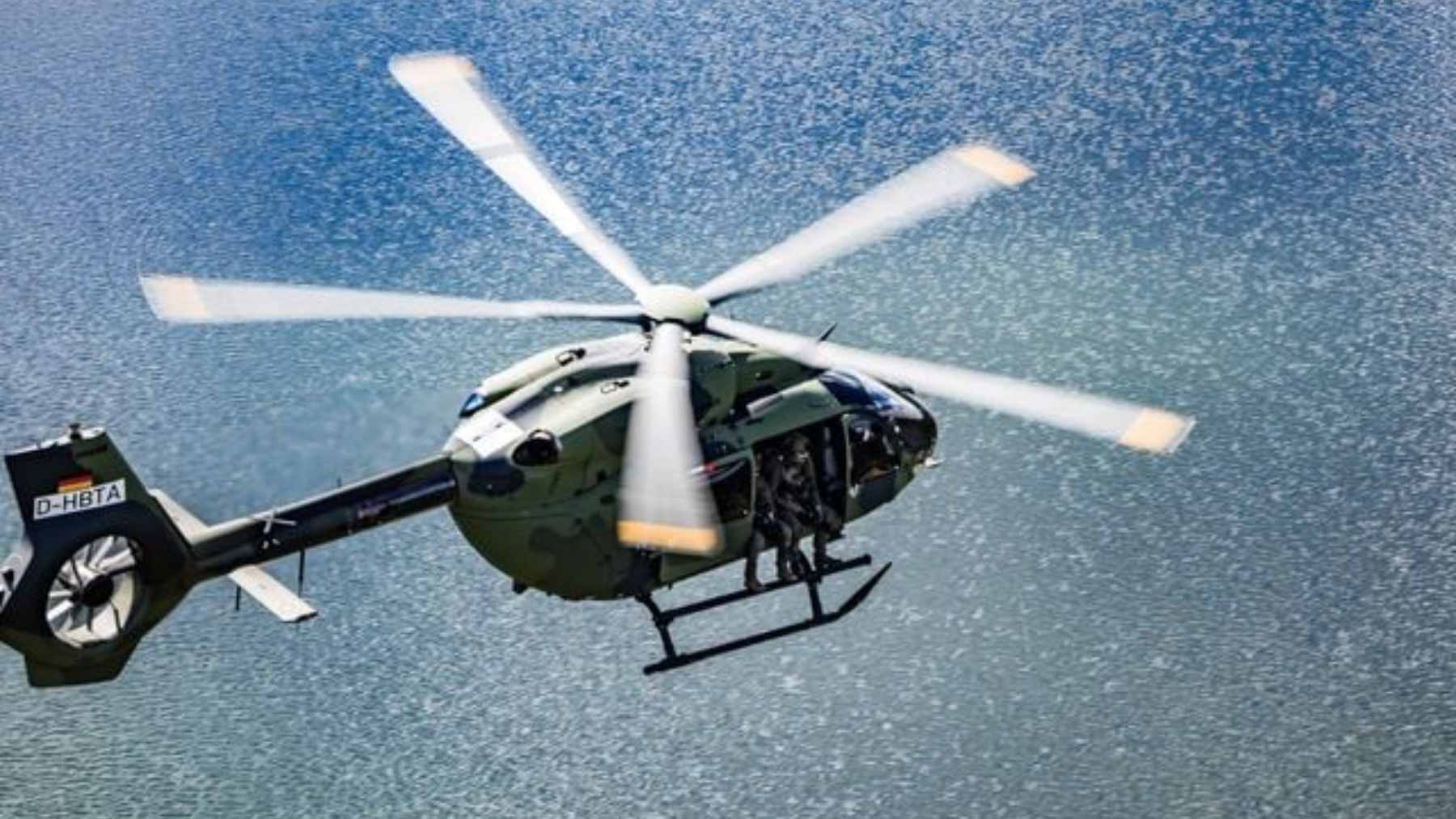
Its possible role in disaster response is important, though. Airbus lists disaster management and firefighting among the missions the U145 could support, along with surveillance and other civil or military applications.
Picture a wildfire, a flood zone, or a damaged mountain road after a storm. Getting supplies into those places can be the difference between waiting and acting. A cockpit-free helicopter could help keep pilots out of the most dangerous parts of that work, at least for some missions.
The defense market is watching
The U145 also arrives at a time when armed forces are paying close attention to autonomous aircraft. Logistics may not sound dramatic, but moving supplies safely is one of the hardest problems in any crisis or conflict.
Airbus says the U145’s modular design could support armed scouting, surveillance, crewed-uncrewed teaming, and even drone mothership functions for air-launched effects. That last role means the helicopter could potentially release smaller drones during a mission.
There is a business angle here, too. Airbus says its U.S. Space & Defense unit, with partners including Shield AI, L3Harris, and Parry Labs, is offering the U.S. Marine Corps a dedicated autonomous variant called the MQ-72C, based on the Lakota UH-72B.
A proven aircraft family
The H145 background is one of the reasons Airbus can present the U145 as more than a concept. According to the company, more than 1,800 H145 family helicopters are already in service, with more than 8.5 million flight hours logged.
The broader H145 line is used for emergency medical services, law enforcement, search and rescue, passenger transport, offshore operations, and corporate transport. Airbus also says the H145 is the quietest helicopter in its class and has the lowest carbon dioxide emissions among direct competitors.
That does not automatically make the U145 a low-impact aircraft. Still, using a mature platform could reduce some development risk compared with designing a brand-new autonomous helicopter from scratch.
The hard part comes next
Autonomy sounds exciting, but the hard part is not just making the helicopter fly. The bigger questions involve certification, safety, communications, cybersecurity, maintenance, and how civil authorities or militaries will control these aircraft in crowded airspace.
Airbus says the first flight is planned for the end of 2026 with a safety pilot onboard. Entry into service is expected at the beginning of the next decade, which means the U145 is still several years away from routine operations.
For now, it is a full-scale mock-up with a clear message: helicopters are moving into the autonomous age, and the first jobs may be the ones humans least want to do.
The official press release was published on Airbus.