A drone inspired by bees flies 600 meters without GPS or external cameras and returns on its own, mimicking the insects’ “olfactory map” for indoor rescue missions
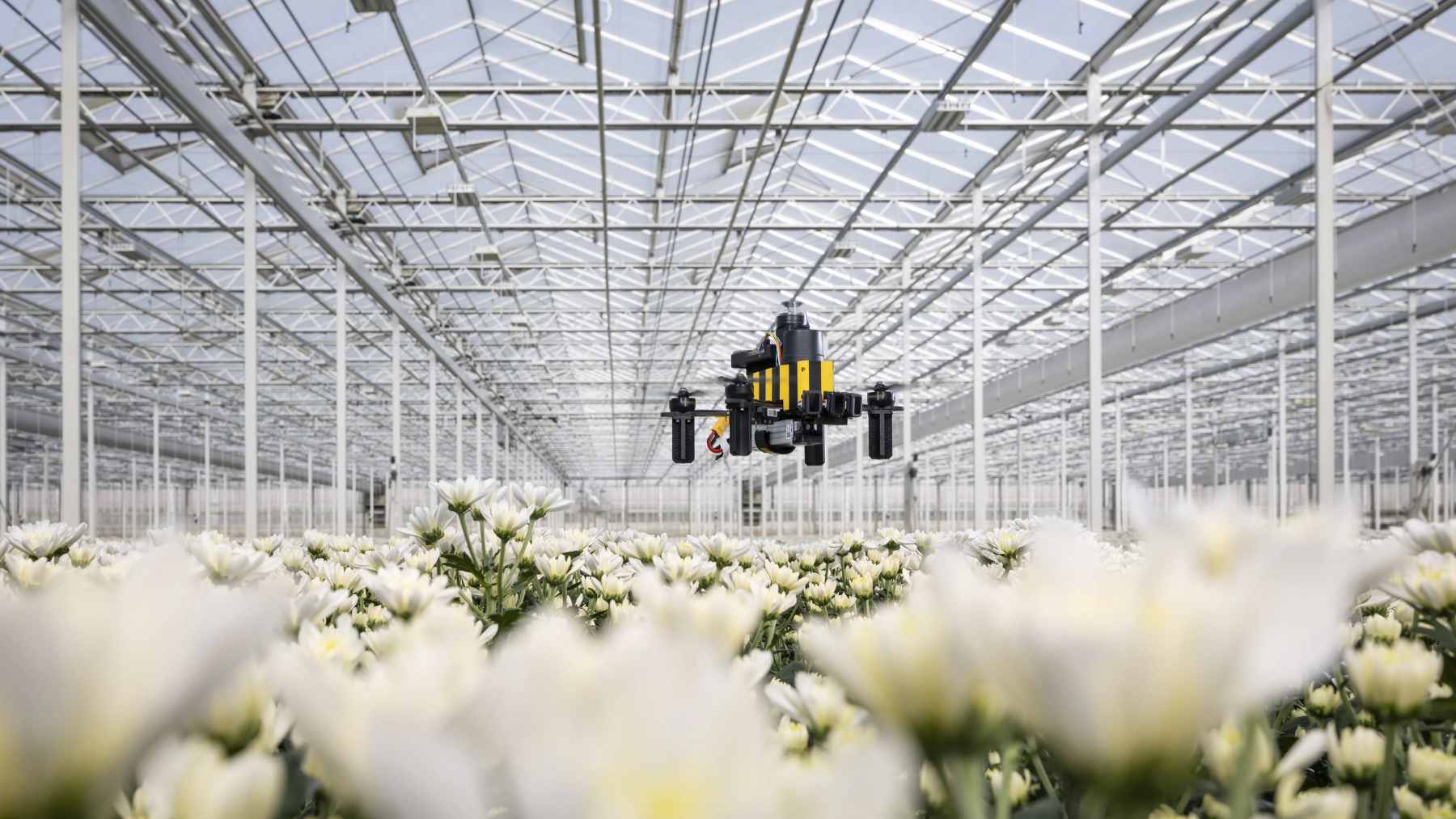
A tiny navigation trick borrowed from honeybees could change how small drones inspect greenhouses, industrial sites, and other places where GPS is weak or unavailable. Researchers led by Delft University of Technology have developed Bee-Nav, a system that lets a small drone learn the area near its starting point, fly away, and return home without depending on GPS or detailed digital maps.
It is not just that a drone found its way back. The bigger story is that the drone did so with a neural memory as small as 3.4 KB in indoor tests and 42.3 KB in more difficult outdoor work, a tiny amount of data that could matter for lightweight robots expected to monitor crops, spot problems early, and operate safely near people.
A bee-like memory
Honeybees make this look easy. They leave the hive, travel long and winding routes to search for food, and still manage to return with striking accuracy. How does an insect with such a tiny brain pull that off?
The Delft team focused on the short learning flights honeybees perform near the hive before longer trips. Guido de Croon, Professor of Bio-inspired AI for drones at Delft University of Technology, said the team was fascinated that bees can “return almost straight back” after flying far away along winding paths.
Bee-Nav copies that basic idea. Before heading out on a mission, the robot performs a brief learning flight near home and gathers panoramic images of the surroundings. A small neural network then learns to connect those views with the direction and distance back to the starting point.
Why this matters for greenhouses
For growers, this is not abstract robotics. A tiny drone that can inspect crops without heavy computing gear could make quick rounds through a greenhouse, looking for pests, disease, or stress before the damage spreads. That could help increase yield and reduce waste, according to the TU Delft team.
In practical terms, a drone could work in places where satellite navigation is not the easy answer. Indoor environments can block or weaken GPS, while small flying robots have strict limits on weight, battery life, and computing power.
Potential applications are not limited to crops, with background reporting pointing to industrial inspection, warehouse logistics, environmental monitoring, and coordination between groups of autonomous aircraft. That is a broad list, but the common thread is simple enough: small robots need to know how to get back.
How the drone finds home
Bee-Nav combines two navigation habits. The first is path integration, which is the robot’s estimate of how far and in what direction it has moved. Think of it as a digital version of counting your steps while walking through a familiar neighborhood.
The second habit is visual memory. Odometry can drift over time, so the drone uses what it learned near home to correct itself when it comes back into the learned area. Nature describes the system as a small onboard neural network that maps visual inputs directly to a “home vector,” meaning the direction and distance back from the robot’s point of view.
That design is the clever part. Instead of building a huge map of everything it sees, the robot learns enough about the area around home to finish the return trip–less memory, less power, fewer parts fighting for space on a small aircraft.
The numbers show both promise and limits
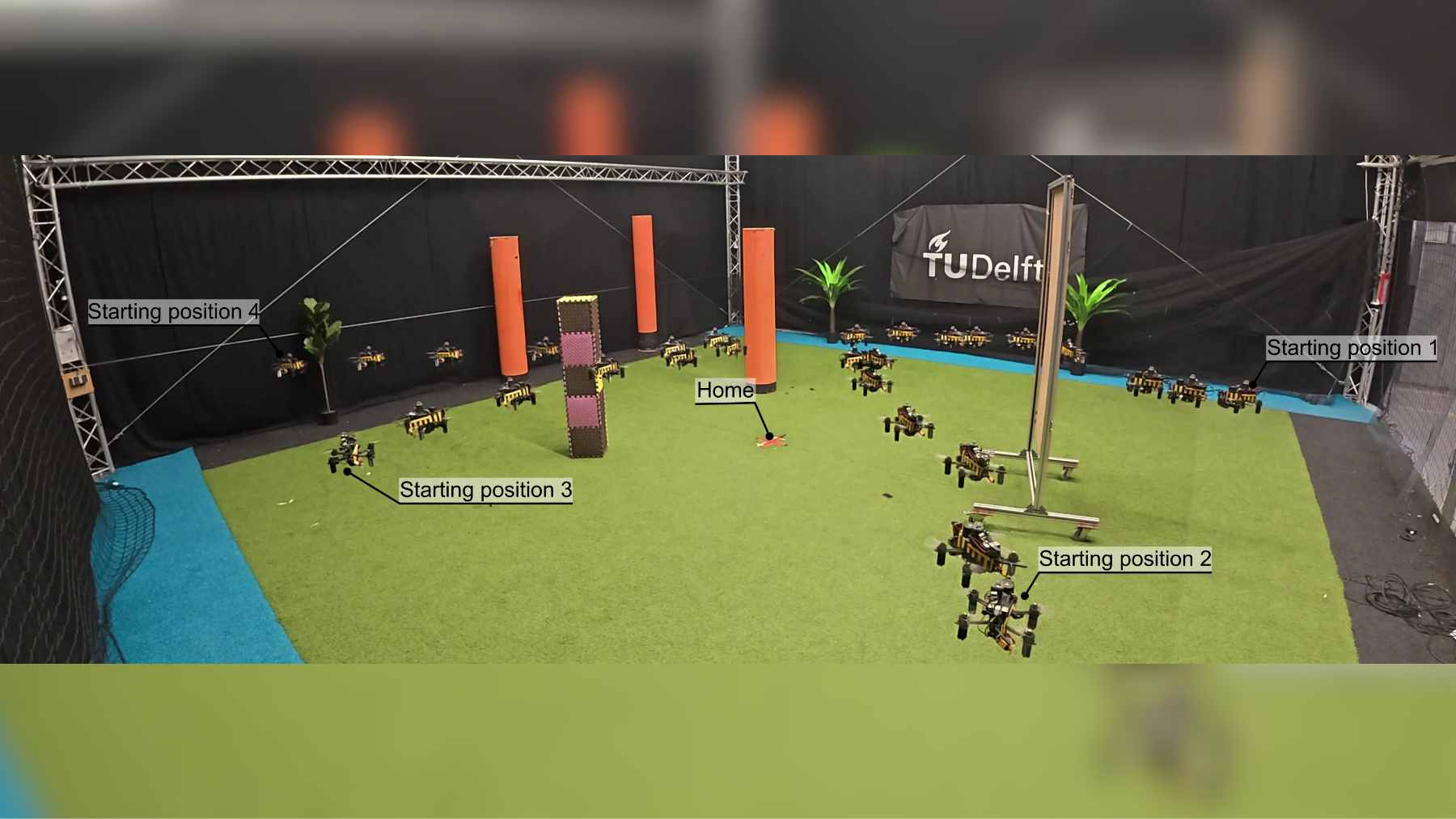
In real-world tests, the system performed strongly indoors. The Nature paper reports that the drone returned to within about 1.6 ft. of home in all 98-to-361-ft. flights, while longer outdoor flights from 656 to 1,970 ft. succeeded 70% of the time under windy conditions.
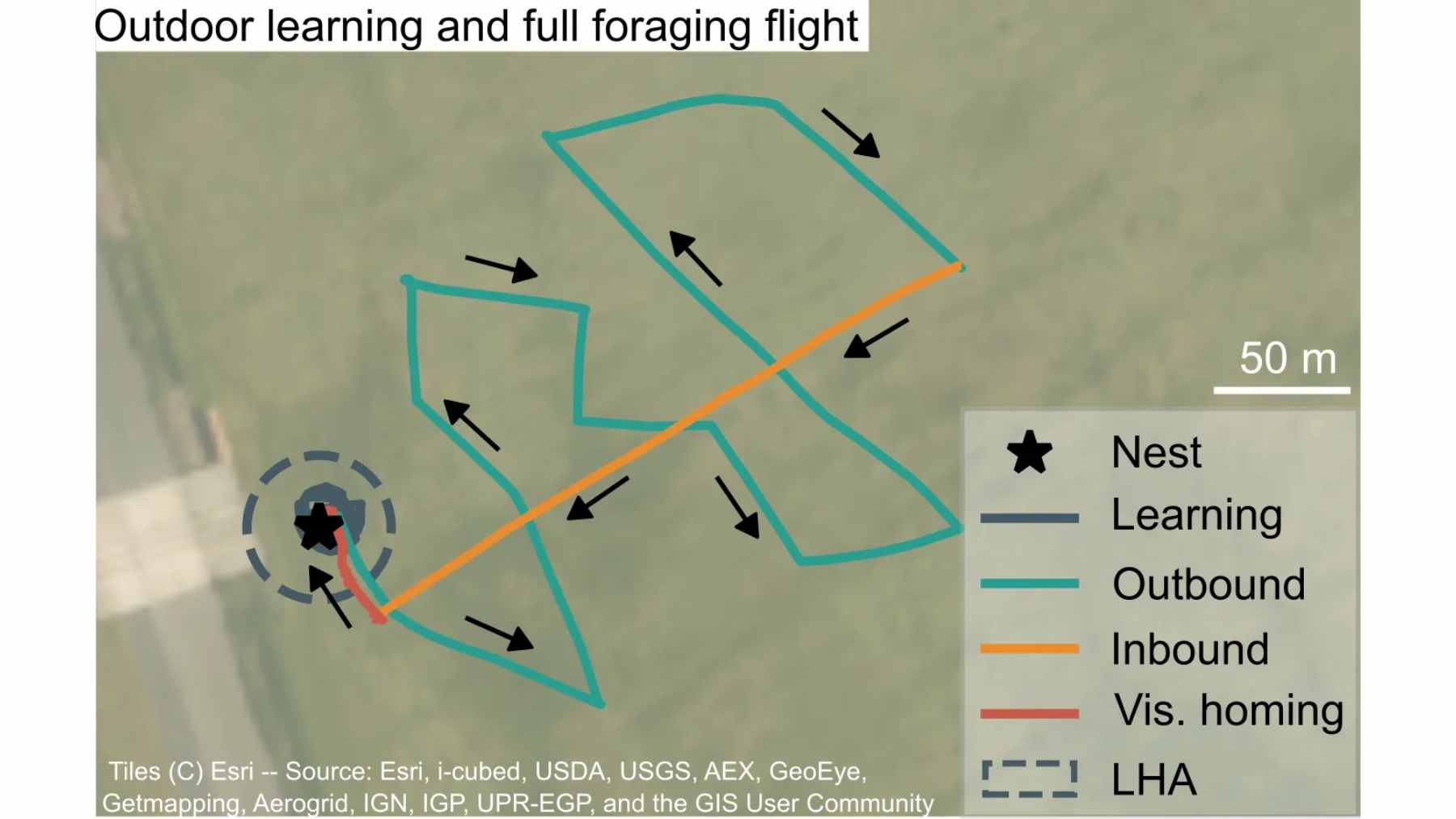
That 70% figure matters because it keeps the story grounded. In large indoor spaces such as hangars, the system succeeded in every test, but wind outdoors caused the drone to tilt, which made its visual references harder to use.
Dequan Ou, a Ph.D candidate at Delft University of Technology and first author of the paper, called the experiments encouraging, but said the current system “needs to become more robust.” That is exactly the right note of caution. Bee-Nav is not a universal autopilot, it is a promising way to help small drones find home with very limited resources.
Nature still sets the pace
There is something almost funny about the direction of progress here. At a time when AI often means bigger models, more chips, and more energy demand, this research looks at a honeybee and asks what can be done with less.
That could be useful for environmental technology, where the best tool is often the one that is light, affordable, and simple enough to use regularly. A greenhouse drone that checks plants every day is only helpful if it can fly safely, save power, and return without fuss.
At the end of the day, Bee-Nav is not trying to replace every navigation system. It is more like a compact compass for small robots that leave a base, do a job, and need to come back.
The study was published on Nature.