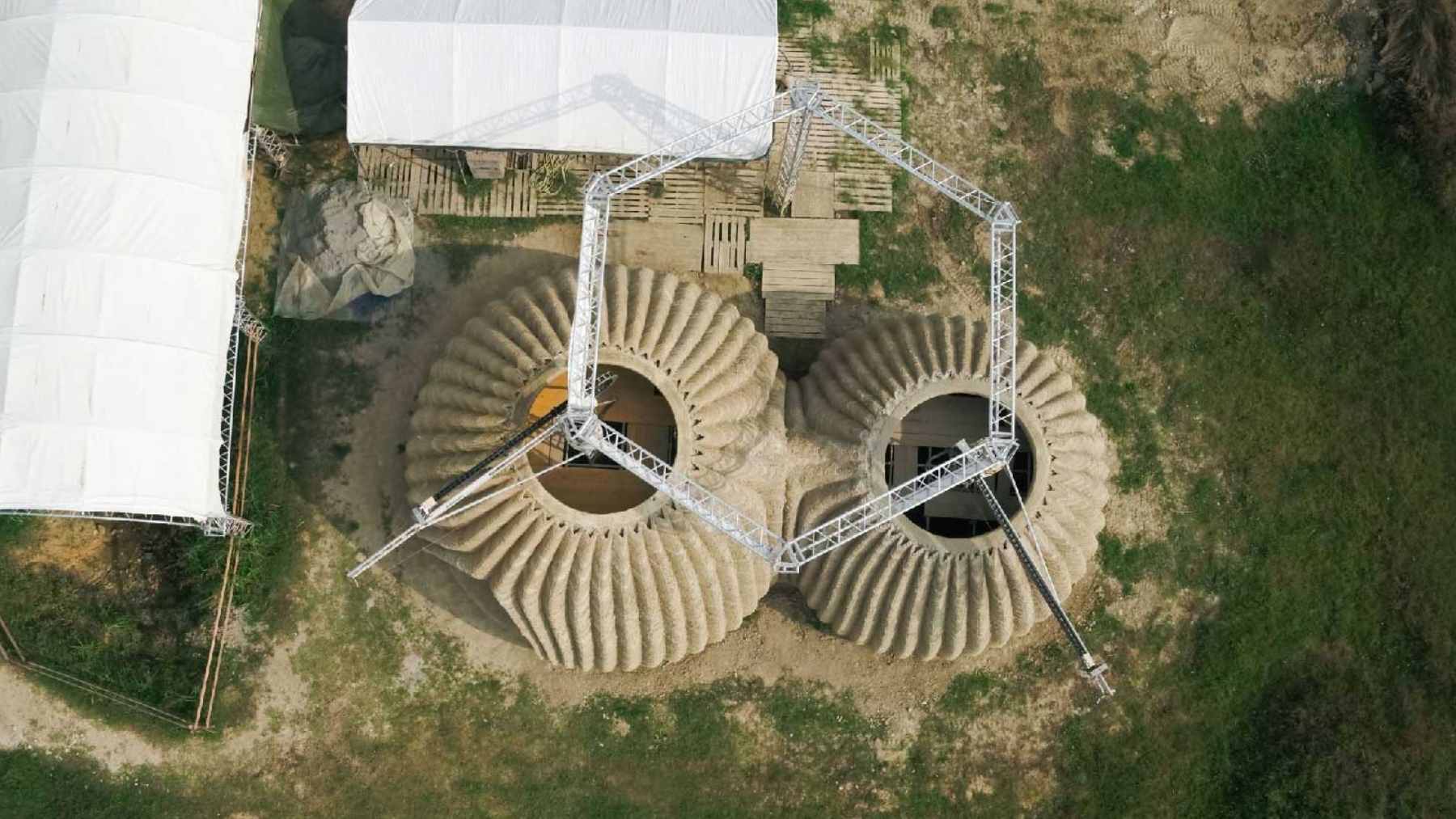
It sounds like something pulled from a science fiction set, but it is very real. In Massa Lombarda, Italy, a small home called TECLA was built with 3D printing, local raw earth, and almost no reliance on the usual pile of bricks that defines most construction sites.
The result is a roughly 646-ft.² prototype that puts an old material back at the center of a very modern question. Can homes be built with less transport, less waste, and more respect for the land they stand on? For the most part, TECLA’s answer is yes, but with some important limits.
A house made from the ground below it
TECLA was designed by Mario Cucinella Architects and engineered and built with WASP, an Italian company known for large-scale 3D printing. Instead of bringing in conventional bricks, the team used raw earth sourced locally and shaped it through digital fabrication.
That detail matters more than it may seem. In everyday construction, materials often travel through a long chain of extraction, manufacturing, trucking, cutting, and disposal before a family ever turns on the lights.
Here, the idea was much simpler: use what is already nearby, print only what is needed, and let software guide the structure layer by layer. It is ancient mud building, but with a robotic arm doing the careful work.
Printing replaced the brick wall
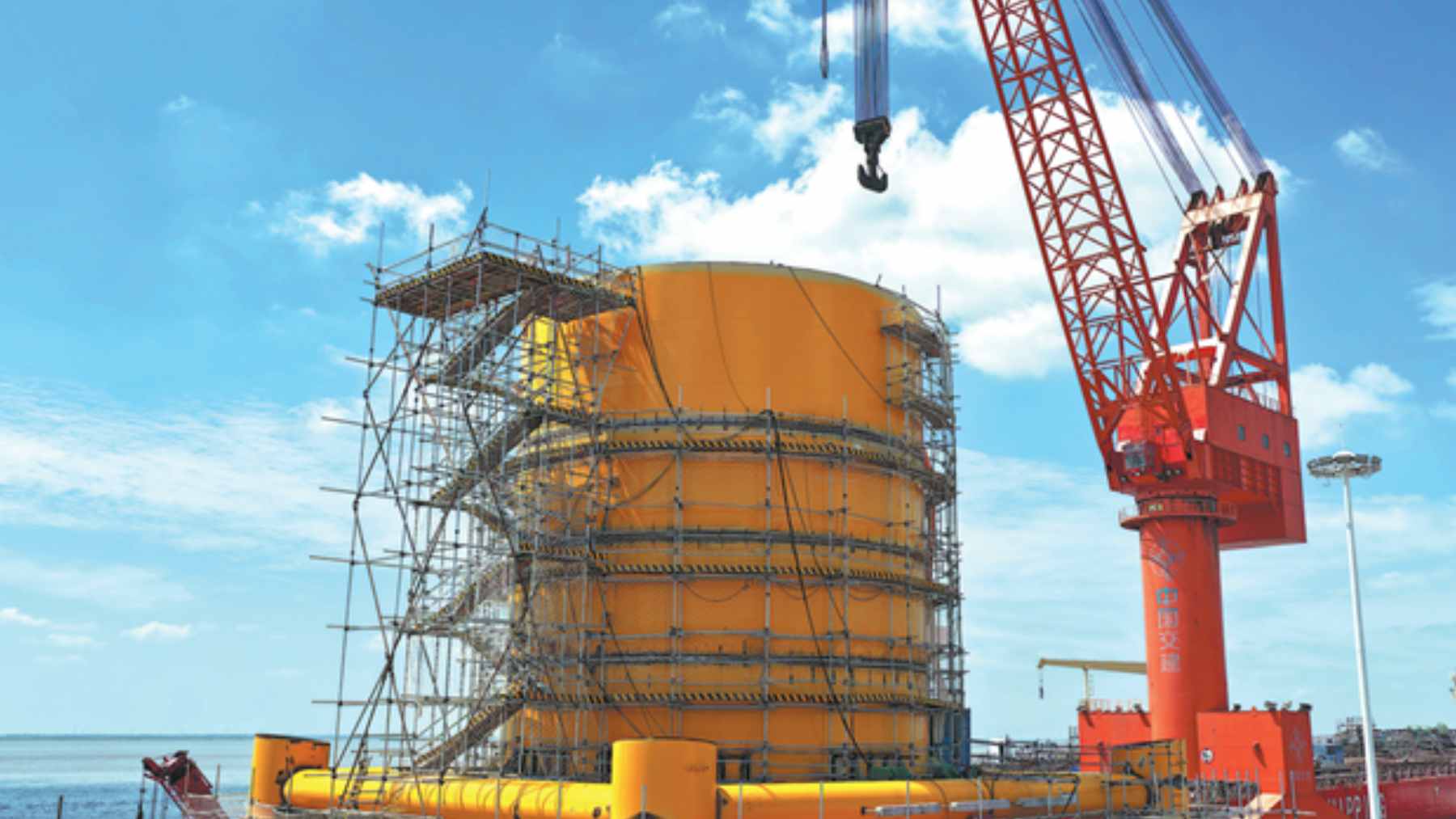
The house was produced with the Crane WASP system, a construction printer that deposits an earth-based mixture directly on site. According to WASP, TECLA required about 200 hours of printing, 7,000 machine codes, 350 layers measuring 0.47 inches each, roughly 93 miles of extrusion, and about 2,120 ft.³ of natural materials.
That is a lot of mud moving with a lot of precision. The printed lines give the walls their ribbed look, almost like a handmade clay pot scaled up into a shelter.
The project also shows why 3D printing is not just about speed. In practical terms, it can shape walls, roof elements, and some internal features in one continuous process, reducing the usual gap between structure, finish, and built-in furniture.
Why the domes matter
TECLA is made of two rounded volumes joined together. Inside, the compact layout includes a living area, kitchen, sleeping space, and bathroom, with some furnishings integrated into the printed structure.
The domes are not just there to look futuristic. A curved shell spreads forces more naturally than many boxy designs, and the continuous surface helps the building act as one connected system.
There is a comfort angle, too. The wall geometry can be adjusted for ventilation, shade, thermal mass, and local climate, which means the same basic idea could be tuned for very different places. At least, that is the promise.
The climate case is hard to ignore
Buildings and construction are a major climate problem. The United Nations Environment Programme reported in its 2024 and 2025 global buildings assessment that the sector consumed 32% of global energy and contributed 34% of global carbon dioxide emissions in 2023.
That’s why experiments like TECLA attract attention beyond architecture magazines. If a wall can be made with nearby earth instead of heavily processed materials trucked across long distances, the environmental math may start to change.
Still, it would be wrong to treat one prototype as a magic fix. Cement, steel, insulation, local codes, labor, insurance, and durability testing all remain part of the bigger housing puzzle.
Not every soil can become a home
The romantic version is easy to picture: scoop up dirt, feed it into a printer, and watch a house rise before dinner. Reality is more demanding.
The local earth has to be analyzed and adjusted so it can pass through the printer, keep its shape after extrusion, and support the next layers while the building is still forming. Too wet, too dry, too sandy, or too unstable, and the whole plan changes.
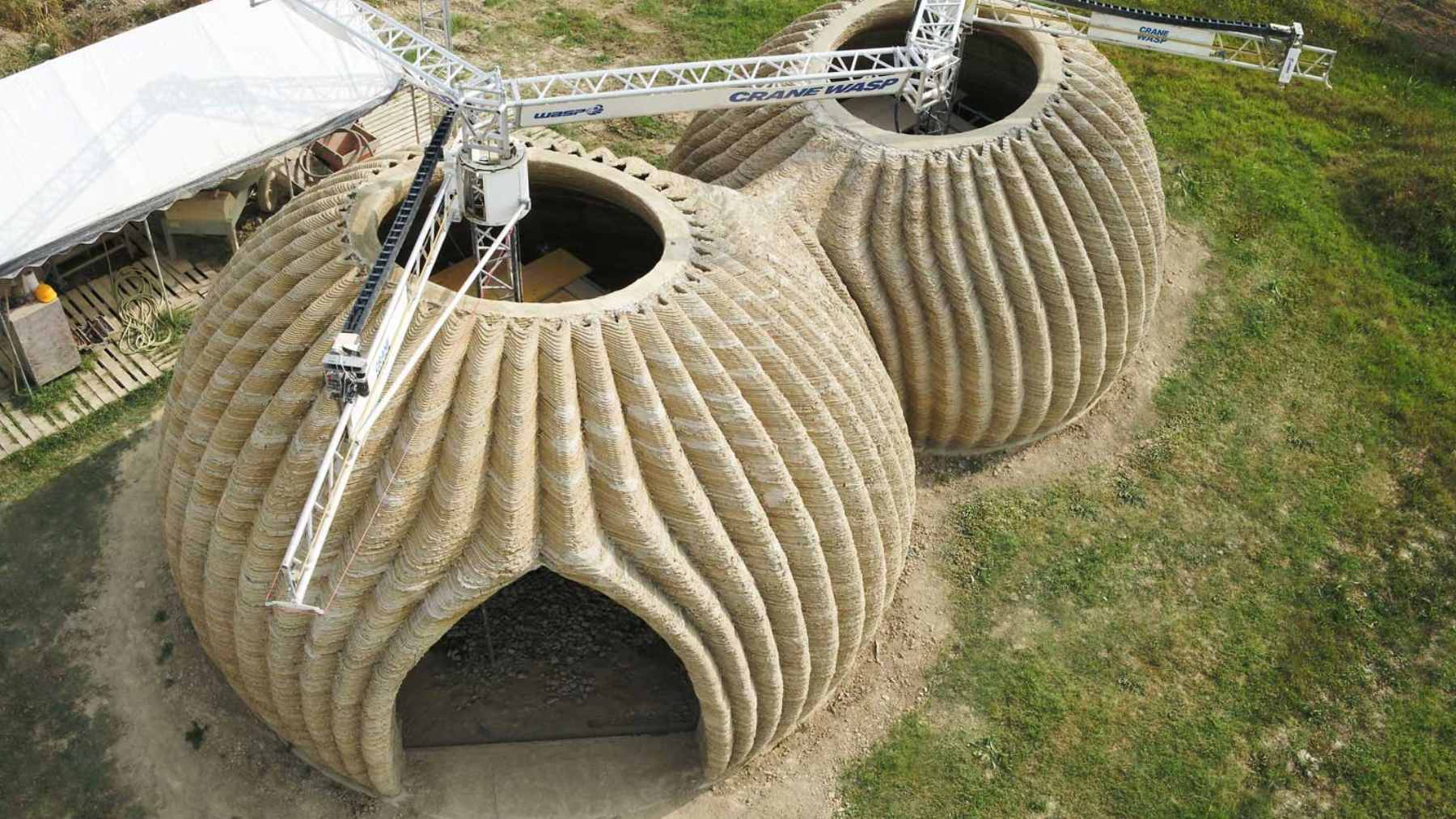
That is where the project becomes less like a viral gadget and more like serious engineering. WASP’s official project notes point to material studies, structural testing, bio-based material consultancy, and design work focused on the building envelope.
Old material, new machine
The name TECLA comes from “technology” and “clay,” and the house looks exactly like that mix. From one angle, it feels prehistoric. From another, it could belong on Mars.
Mario Cucinella described the work as part of a needed “paradigm shift” in architecture. Massimo Moretti, founder of WASP, framed it in even earthier terms, saying the project moved “from the shapeless earth” to a shaped house.
That is the most interesting part. The project does not reject tradition, it upgrades one of humanity’s oldest building materials with software, robotics, and a very modern concern for waste.
A prototype, not a ready-made answer
TECLA remains a prototype, not a house you can simply order for any lot in America. Its future depends on building laws, climate conditions, soil quality, structural approval, equipment access, and whether local authorities are comfortable with a home printed from raw earth.
That probably sounds like a long list because it is. A printed mud house still has to face rain, heat, cold, maintenance, plumbing, wiring, safety standards, and all the boring but essential details that make a home livable.
Even so, the experiment pushes construction in a useful direction. At the end of the day, it asks whether the home of the future might be built with fewer imported materials and more intelligence about what is already under our feet.
What TECLA changes
The biggest lesson is not that every neighborhood should be filled with domes. It is that construction can be rethought from the ground up–quite literally.
For homeowners, that could one day mean lower material waste and buildings better adapted to the local climate. For cities and builders, it points toward a more circular way of working, where soil, design, and machines are part of the same conversation.
TECLA does not solve the housing crisis or the climate crisis on its own. But it does offer a glimpse of a cleaner building model, one where the future of architecture may begin with something as ordinary as dirt.
The official statement was published on WASP.