China has launched Shenzhou-23 to its Tiangong space station, sending three astronauts into orbit and opening the country’s most ambitious long-duration human spaceflight test yet. One member of the crew is expected to remain in space for a full year, a first for China and a key step toward its goal of landing astronauts on the Moon before 2030.
This is not just another crew rotation. It is a test of how people, machines, food systems, medical support, and recycling technology behave when space stops being a short visit and starts feeling more like everyday life. And that’s where the mission becomes much bigger than the launch itself.
Shenzhou-23 reaches orbit
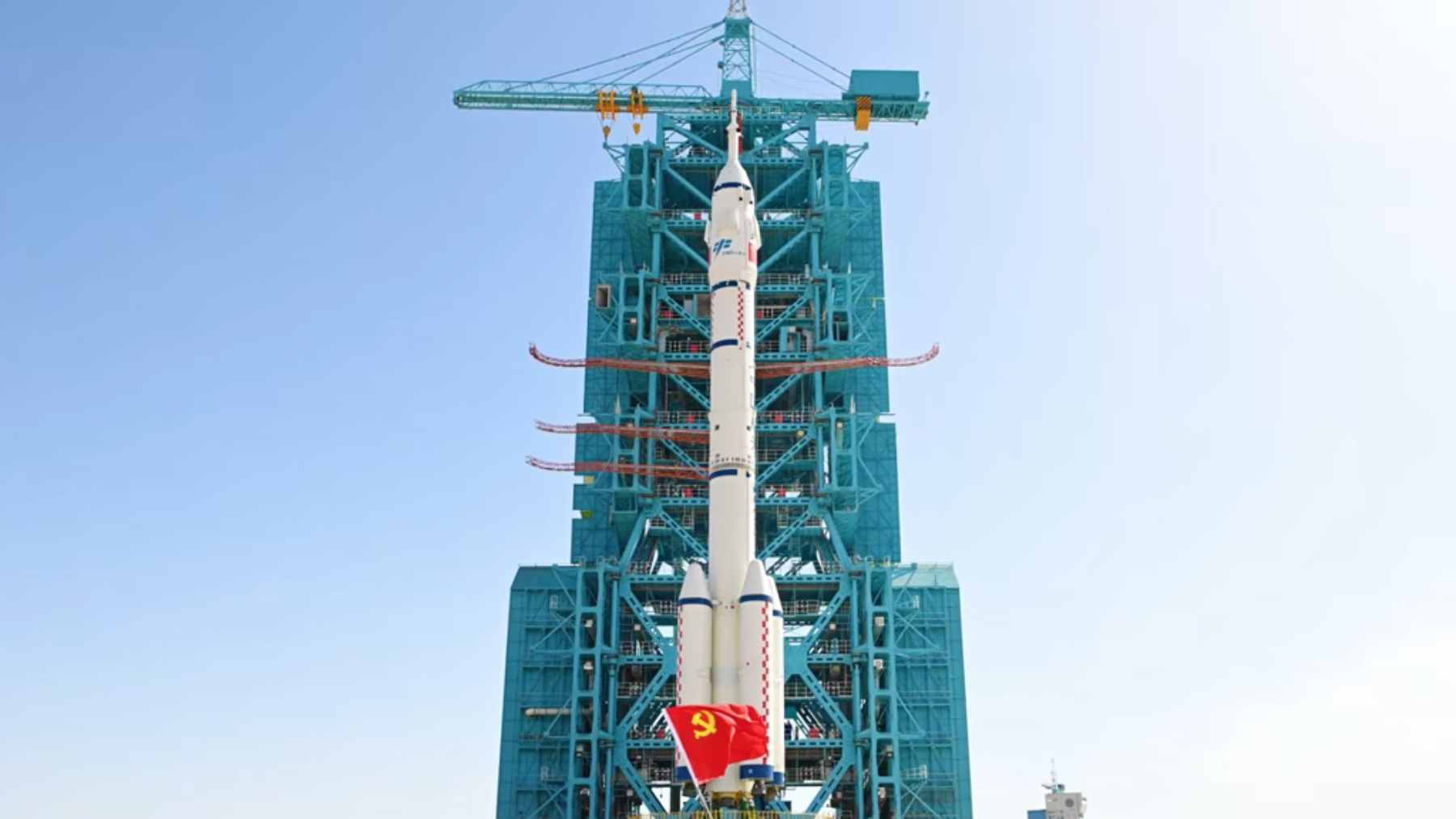
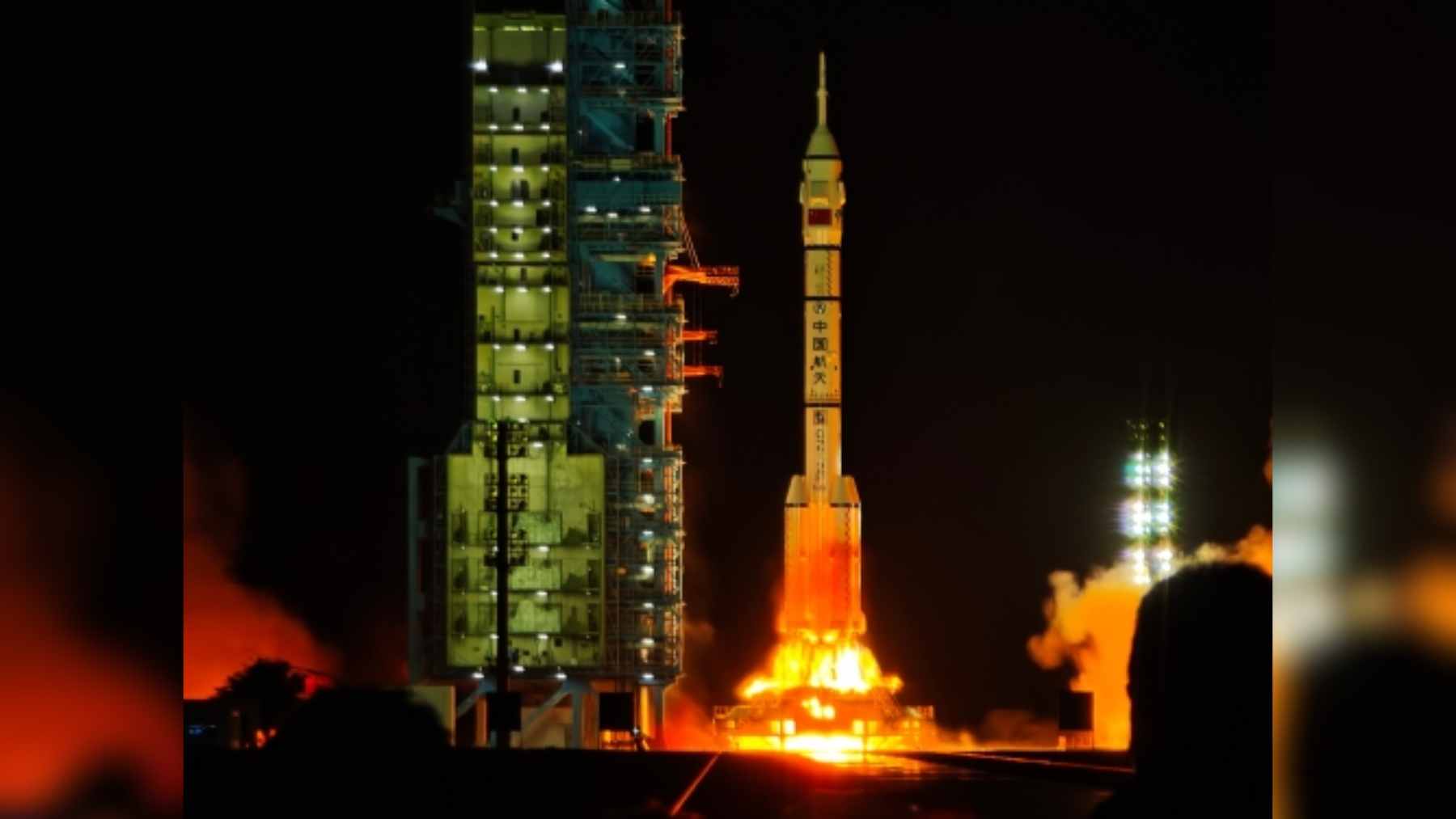
The Shenzhou-23 spacecraft lifted off on Sunday, May 24, 2026, aboard a Long March-2F rocket from the Jiuquan Satellite Launch Center in northwest China. According to China’s crewed spaceflight authorities, the spacecraft separated from the rocket about 10 minutes after launch, entered its planned orbit, and the crew was reported to be in good condition.
The crew includes commander Zhu Yangzhu, pilot Zhang Zhiyuan, and payload specialist Lai Ka-ying (or Li Jiaying in Mandarin). Lai’s flight is historic because she is the first astronaut from Hong Kong to enter China’s space station.
A year above Earth
Most recent Chinese station missions have lasted about six months, but Shenzhou-23 changes that rhythm. China’s space agency said one crew member will carry out a one-year stay experiment, though the astronaut chosen for the longer mission will be confirmed later based on in-orbit operations.
Why does that matter? Because a year in microgravity is not simply two half-year missions glued together. Zhang Jingbo, a spokesperson for China’s crewed space program, said the plan is “not simply doubling” a six-month stay, since it will test long-term health protection, medical support, and continuous scientific research in a much tougher way.
The body becomes the test
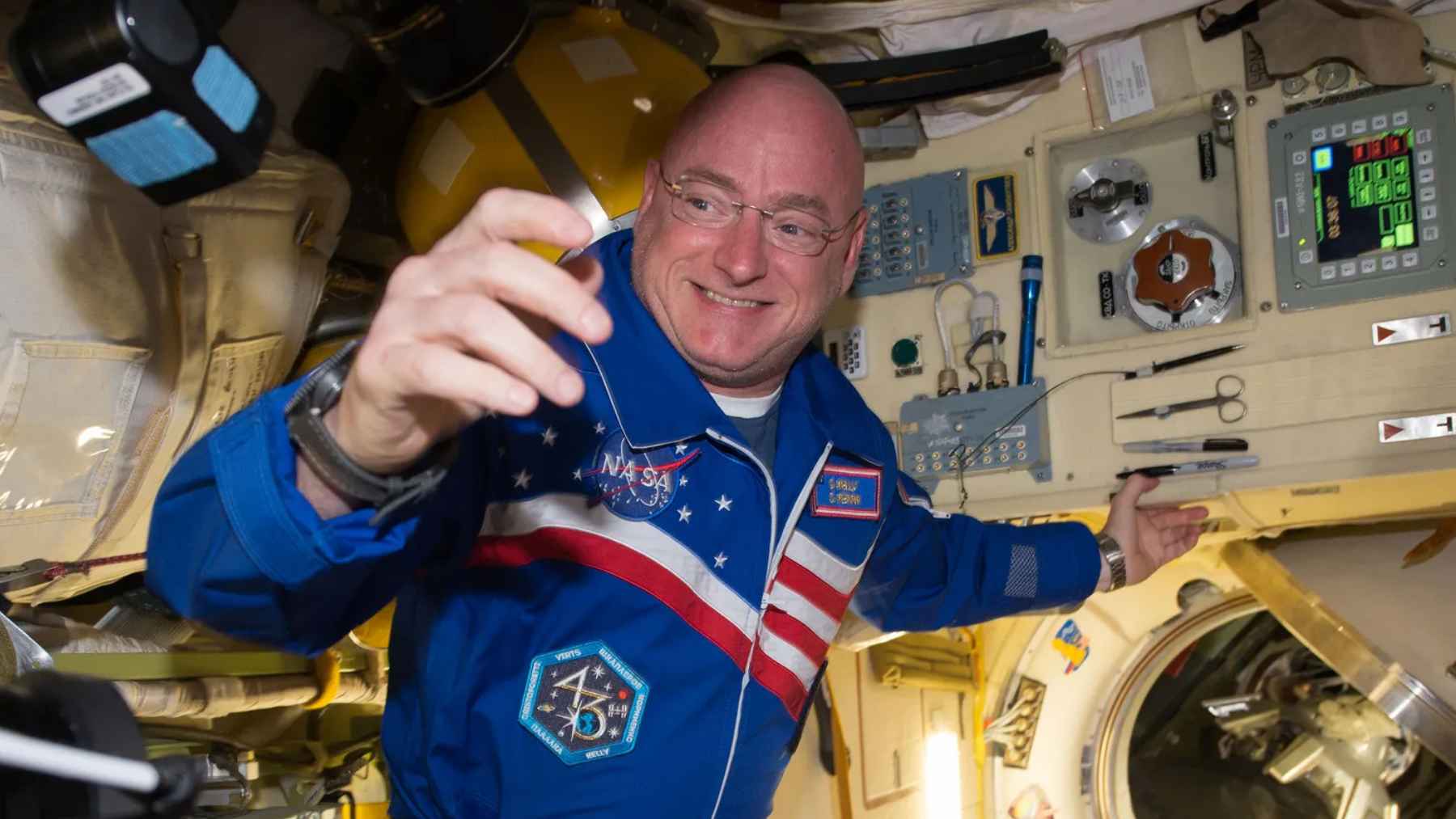
Space is beautiful from a distance, but it is rough on the human body. NASA identifies five major hazards for human spaceflight, including radiation, isolation, distance from Earth, altered gravity, and closed or hostile environments.
That can include bone loss, muscle weakening, sleep problems, fatigue, and psychological strain. NASA also notes that astronauts can lose about 1% of density in weight-bearing bones per month in space without countermeasures, which is why exercise, diet, and medical monitoring become mission-critical.
For China, the one-year experiment is a chance to collect longer-term human data inside its own space station. The goal is not only to keep astronauts healthy on Tiangong, but to learn what must work before crews travel farther from Earth.
The science on Tiangong
Shenzhou-23 will support more than 100 new scientific and application projects, according to the official mission briefing. These studies cover space life science, space materials, microgravity fluid physics, aerospace medicine, and new space technologies.
Some of the planned work sounds almost like science fiction. Officials said researchers will use zebrafish embryos, mouse embryos, and stem-cell-based “artificial embryos” to study how life develops in space, while other projects will examine advanced materials and new space energy-storage batteries.
That may feel far removed from life on Earth, but it isn’t. Many space experiments are really about limits, including how little water can be wasted, how power systems hold up, and how fragile biological systems respond when the environment changes.
Space tech and climate work
There is also an environmental thread running through China’s recent space station activity. In the same mission briefing, officials said the Tianzhou-10 cargo spacecraft carried a Hong Kong-developed greenhouse gas detection payload designed to monitor carbon dioxide and methane concentrations from key emission sources in low and middle latitudes.
That does not mean Shenzhou-23 is a climate mission in the usual sense, but it shows how space stations are becoming platforms for more than astronaut training. They can also support instruments that watch Earth’s atmosphere, test small closed-loop systems, and sharpen technologies that may eventually help track pollution with more precision.
At the end of the day, the same question keeps coming back. How do you survive with fewer resources, less waste, and almost no room for mistakes?
A Moon race with new tools
China has made no secret of its larger target. Officials say Tiangong is helping prepare for a crewed lunar landing before 2030 by training astronauts, validating key technologies, and supporting future deep-space systems such as the Long March-10 rocket and Mengzhou spacecraft.
The United States is also pushing ahead through Artemis, with NASA currently targeting early 2028 for its first Artemis lunar landing. That makes Shenzhou-23 part of a broader race, but not the old flag-planting kind. This one is about endurance, logistics, life support, and who can make a permanent presence beyond Earth actually work.
China’s station gives Beijing a steady platform to rehearse that future. Each crew handover, cargo flight, and long-duration medical test adds another piece to the puzzle.
What happens next
After reaching orbit, Shenzhou-23 completed a fast automated rendezvous and docked with Tiangong’s Tianhe core module on May 25, 2026. The docking took about 3.5 hours, and the crew later entered the station, where they were welcomed by the Shenzhou-21 astronauts.
The next big thing to watch is which Shenzhou-23 astronaut stays behind for the full year. That decision will shape the mission’s most important chapter, because the hardest part of spaceflight often begins after the launch camera cuts away.
For now, Shenzhou-23 is a reminder that the future of space travel may depend less on dramatic liftoffs and more on ordinary survival. Breathing clean air, reusing water, staying healthy, keeping the lights on.
The official statement was published on China Manned Space Engineering Office.