South America has talked for years about a rail link between the Atlantic and the Pacific. Now the idea has fresh momentum after Brazil and China signed a July 2025 memorandum to study a bi-oceanic freight corridor that would connect Brazil to the Pacific through Peru’s Port of Chancay.
At first glance, it sounds like a clean business story. Faster exports, shorter routes, better access to Asia. But this is also an environmental test, because the same railway that could move cargo more efficiently may also put pressure on forests, rivers and Indigenous territories if the route is poorly planned.
Chancay changes the map
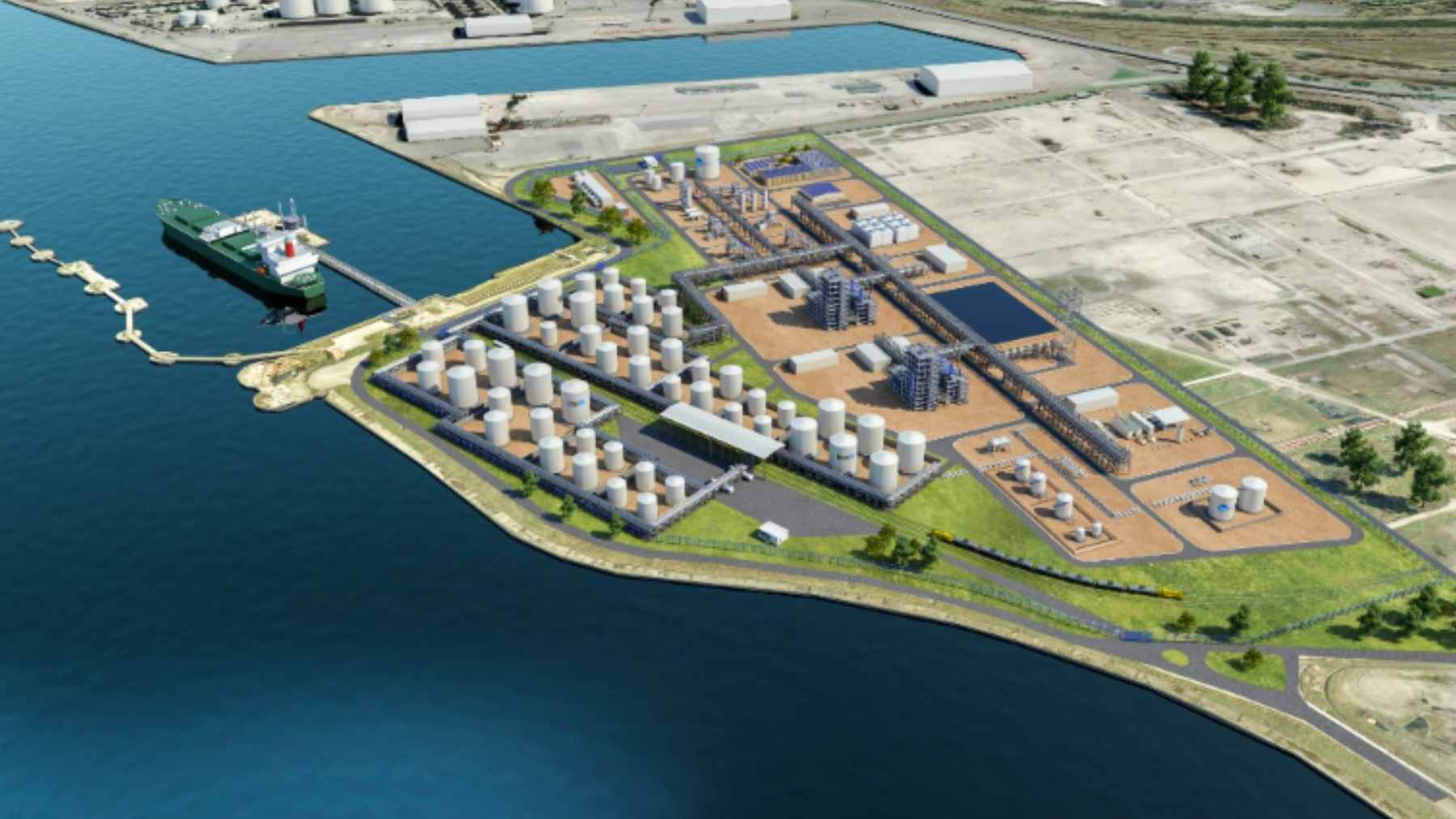
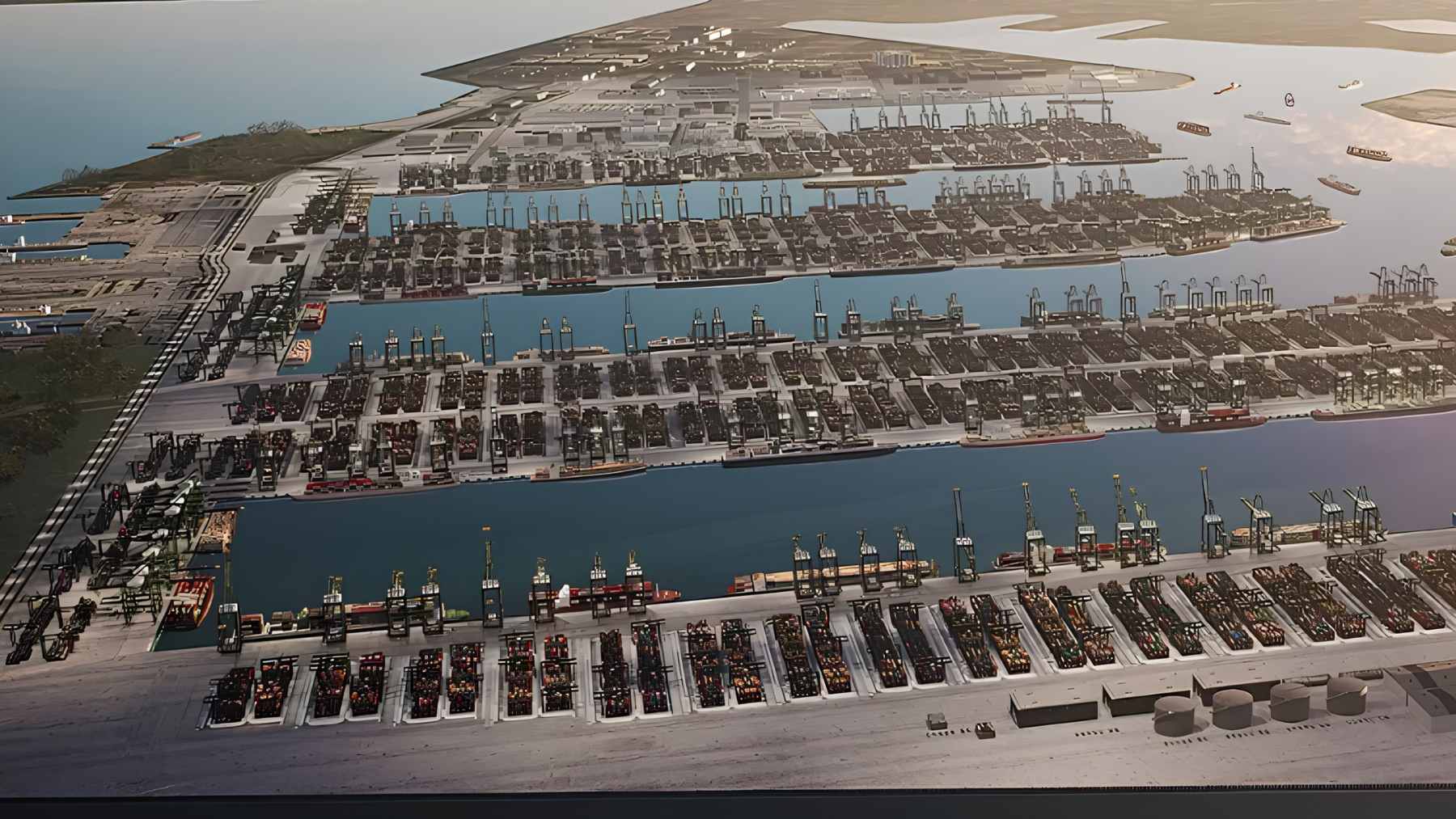
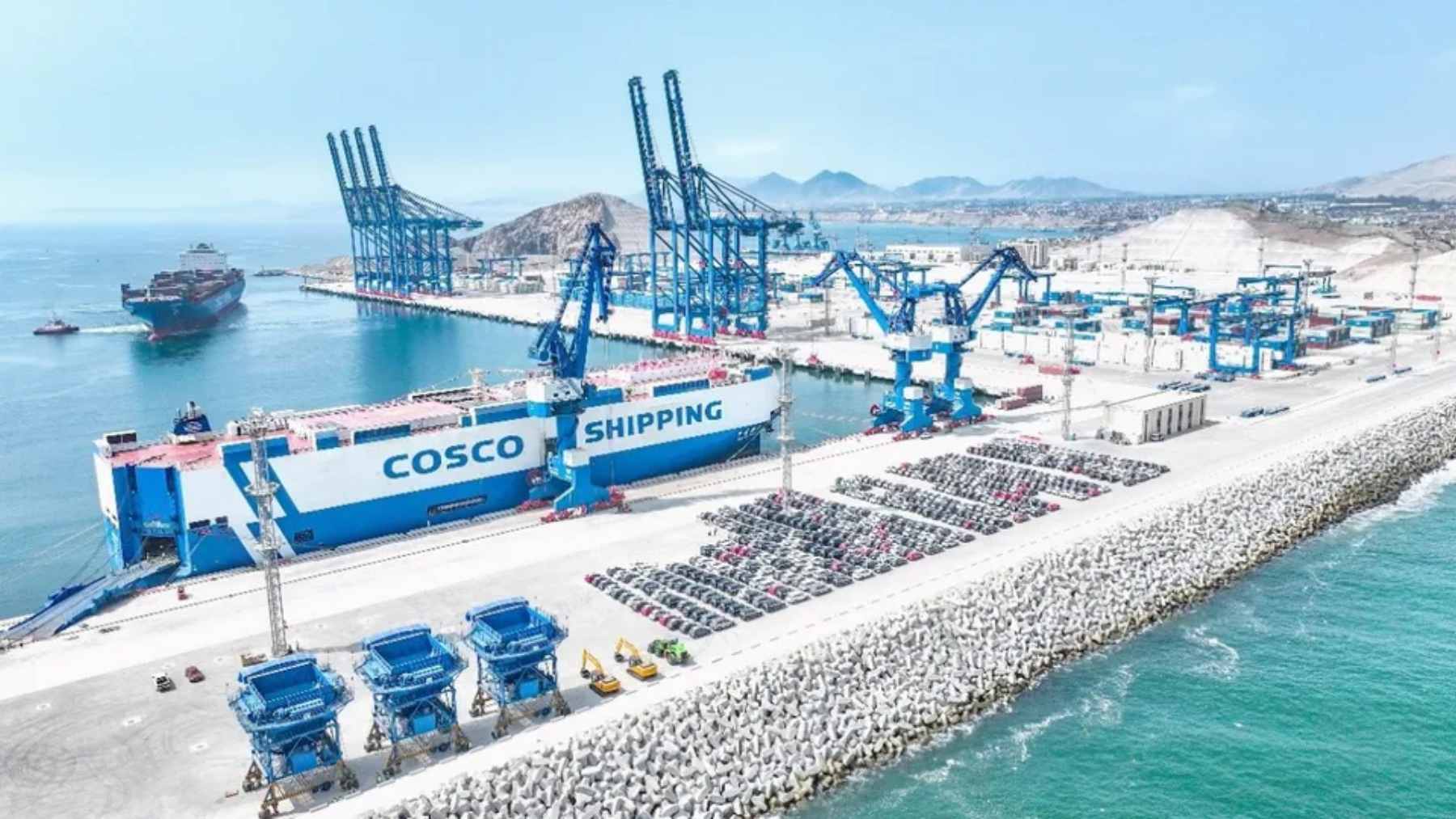
The project’s anchor is Chancay, the Chinese-built deep-water port inaugurated in Peru in November 2024 by President Dina Boluarte and Chinese President Xi Jinping. Peru’s government presented it as a step toward turning the country into a logistics, technology and industrial hub for the Asia-Pacific region.
Chancay is not just another dock. COSCO Shipping describes it as its first “green and smart” port investment in South America, with a capacity of 1 million twenty-foot-equivalent containers (TEUs) a year and electric container trucks that the company says cut energy use by more than 25%.
The route under study
Brazil says the studies will look at a corridor that uses railways already under construction or planning, especially the FICO-FIOL backbone. From Lucas do Rio Verde in Mato Grosso, the line would push west through Rondônia and Acre toward Peru and eventually Chancay.
In practical terms, soybeans, iron ore, meat, pulp, cotton and other commodities could move from Brazil’s interior toward the Pacific instead of relying only on Atlantic routes. Brazilian officials have said the Pacific connection could cut shipping times to Asia by about 10 days.
The green promise
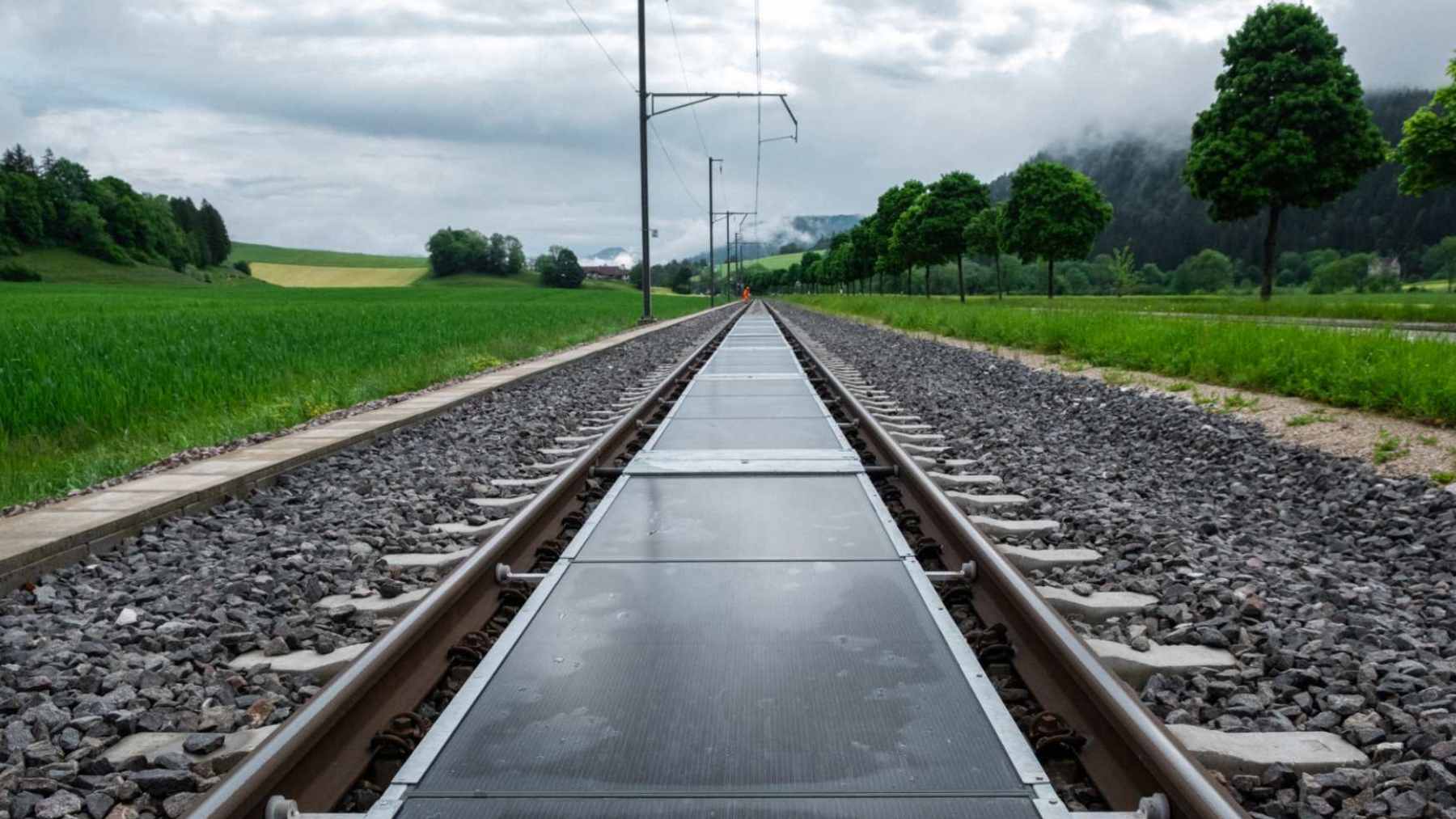
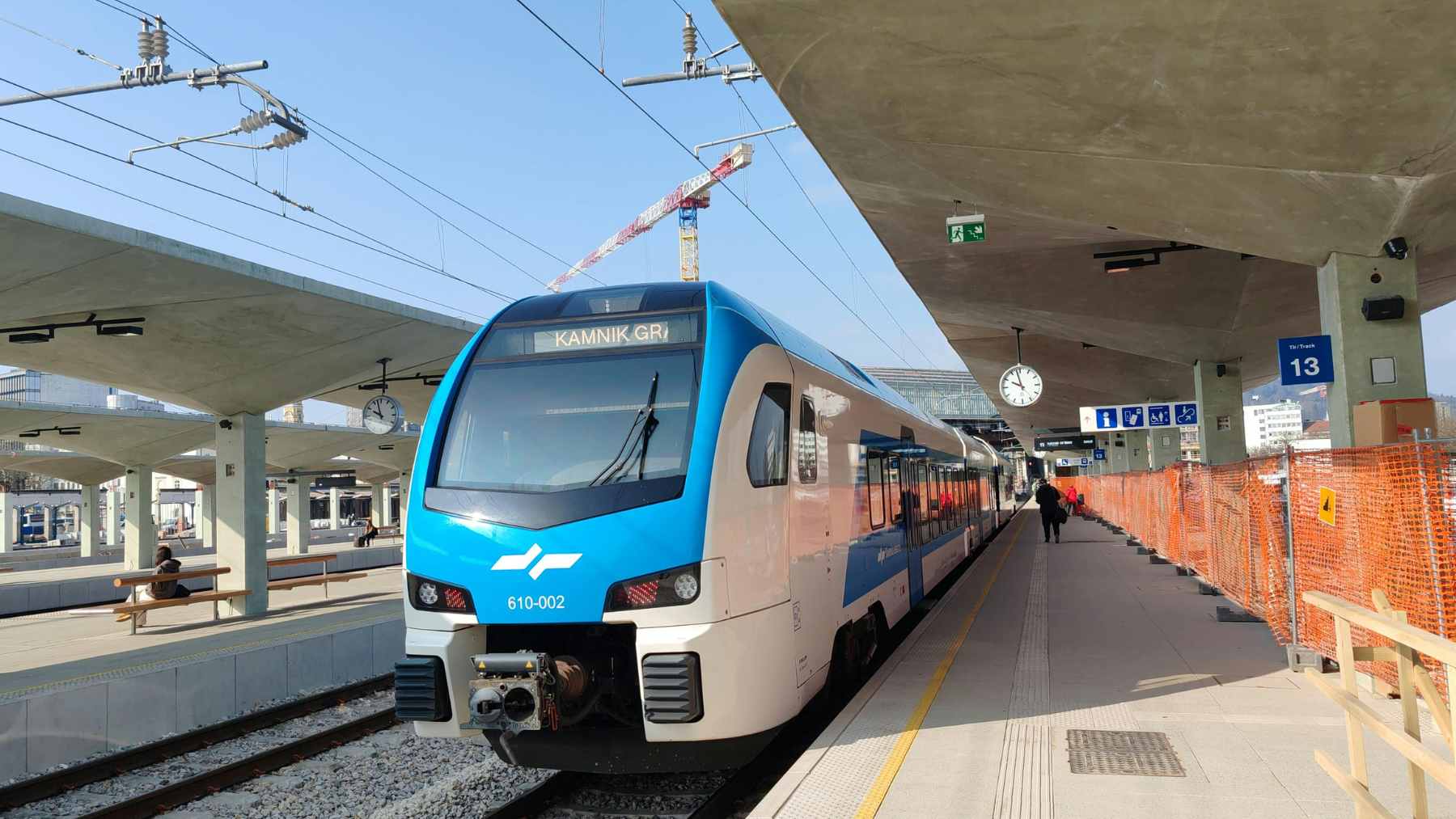
Rail can be a cleaner way to move heavy cargo, at least when compared with long-haul trucking. As a useful benchmark, the Association of American Railroads says freight trains can move one ton of cargo nearly 500 miles on a gallon of fuel, although South American performance would depend on locomotive technology, load factors and route design.
That is the best-case environmental argument for the bi-oceanic train. Fewer trucks on long routes could mean lower emissions, less highway congestion and safer freight movement. Still, a railway is not automatically green if it opens new export frontiers or encourages more land clearing.
The Amazon question
Here is the hard part. Environmental experts warn that possible routes could affect sensitive areas in the Amazon and Andes, including protected zones and indigenous lands.
One analysis cited by Dialogue Earth suggested that areas within roughly 25 miles of projected routes could include dozens of protected areas and Indigenous communities in Peru, plus more than 100 conservation areas and Indigenous territories in Brazil.
There are water concerns, too. Reporting on the FICO railway, which would form part of the broader logistics system, found possible impacts on 105 headwaters and tributaries tied to major river basins, along with concerns involving 23 Indigenous territories in Mato Grosso.
Could a train do less damage than a road? In some cases, yes. Railways can limit uncontrolled forest access because trains stop only at stations, but experts warn that a major logistics corridor can still drive agricultural expansion around it.
Peru holds the key
Peru has made one thing clear: the Brazil-China memorandum is nonbinding, applies only to Brazilian territory and cannot create access to the Pacific without Peruvian participation, according to Foreign Minister Elmer Schialer. He also pointed to “formidable” environmental, engineering, financial, institutional and legal challenges.
That does not mean Peru is out of the conversation. In May 2025, Peru’s economy and transport ministers met with a Chinese railway delegation and expressed interest in high-level talks with China and Brazil on a framework for investment, demand and execution.
Technology and security
The tech angle is easy to see at Chancay. Peru’s Transport Ministry says the port includes 5G technology, 27 specialized cranes and 40 autonomous vehicles, making it a showcase for automated logistics on the Pacific coast.
Ports this strategic also attract defense scrutiny. The Associated Press reported in February 2026 that the U.S. State Department raised concerns after a Peruvian court ruling limited a local regulator’s oversight of Chancay, while COSCO said the port remains under Peruvian jurisdiction, sovereignty and control.
What to watch now
The next phase will be less glamorous than the headlines. Feasibility studies must answer basic questions about route design, financing, cargo demand, environmental licensing and consultation with affected communities.
At the end of the day, the bi-oceanic train is a compass for South America’s next trade era. It could make freight cleaner and faster, or it could repeat an old pattern where infrastructure arrives first and environmental safeguards arrive too late.
The official statement was published on Brazil’s Ministry of Transport.