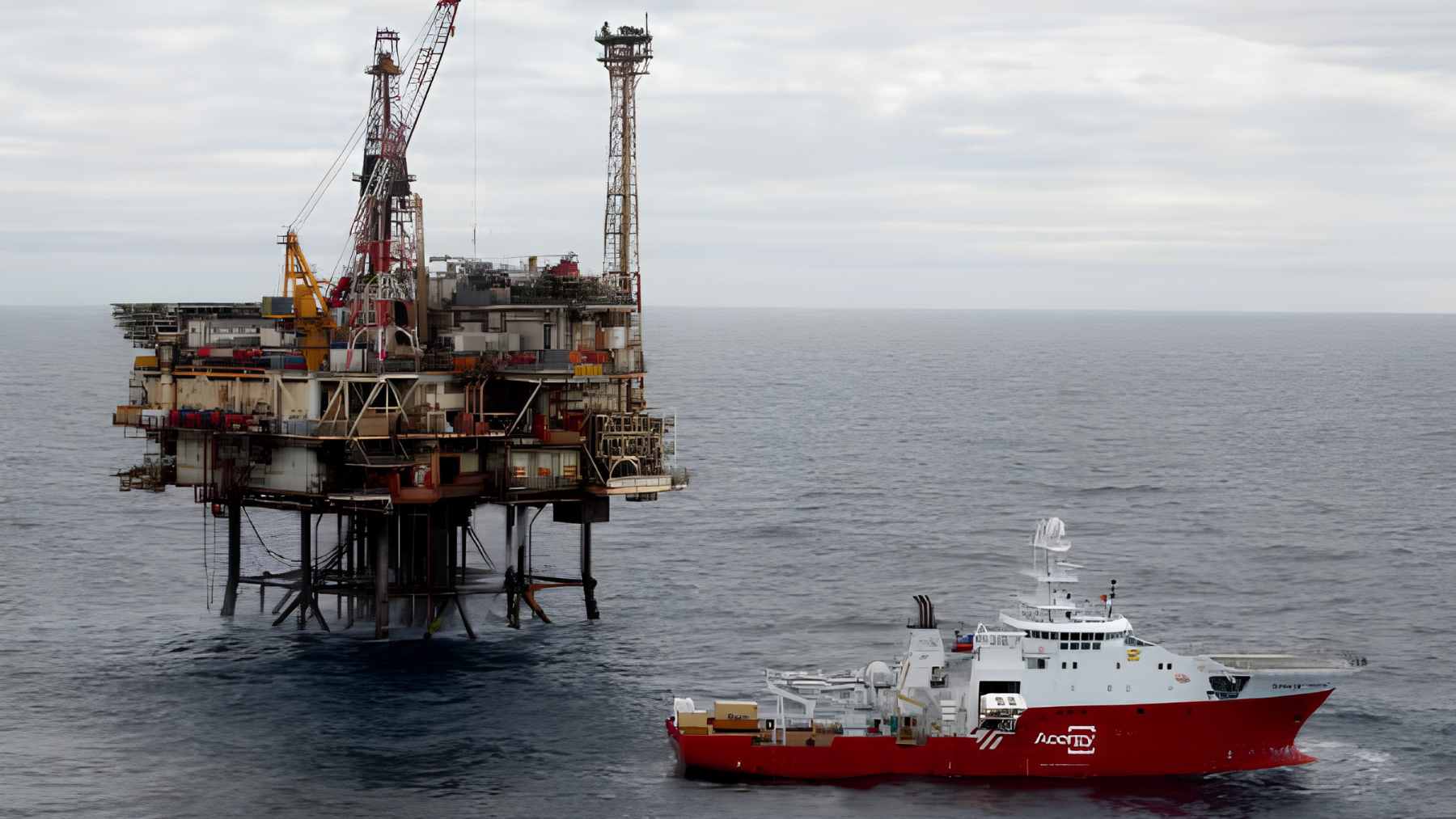
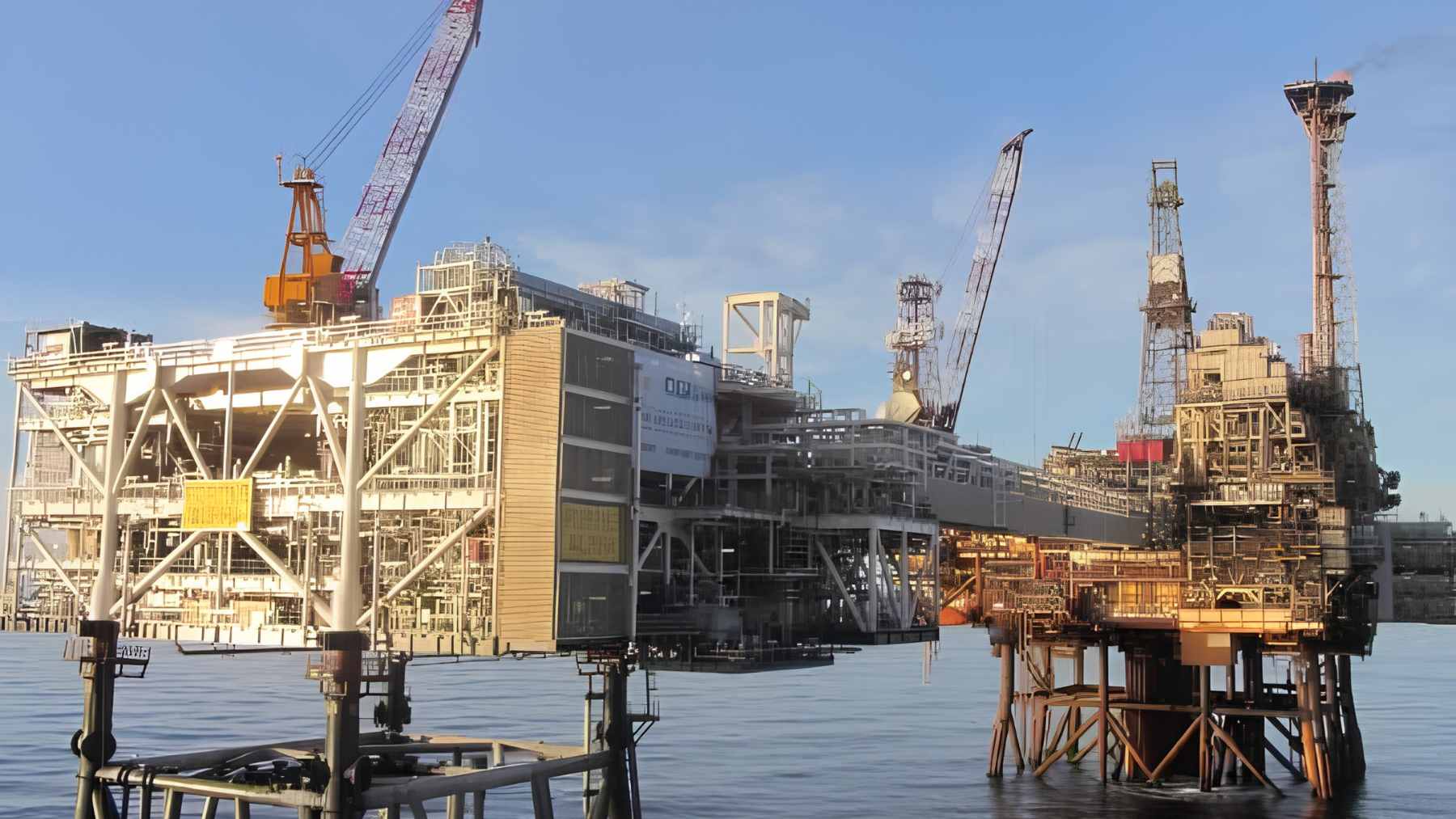
What do you do when oil is flirting with $150 a barrel, but one of your biggest fields is preparing to power down anyway? Britain’s Forties field is heading into decommissioning after Apache North Sea awarded Well-Safe Solutions a multi-year contract to plug and retire both platform and subsea wells, with work expected to begin in 2026.
Physical North Sea Forties crude just hit a record $148.87 a barrel during the Hormuz disruption, and politicians are again fighting over drilling versus clean energy. The North Sea, meanwhile, is shifting into cleanup mode, and the environmental clock is part of the pressure.
A North Sea icon goes into reverse
Forties came online in 1975 about 110 miles east of Aberdeen. By 1978 it peaked around 500,000 barrels a day, roughly one-fifth of the UK’s annual oil needs.
BP ran Forties until 2003, when it sold a 96% stake to Apache for $812 million. Today Apache is steering the asset into its end-of-life phase.
Well-Safe says the contract will support hundreds of jobs in Aberdeen, and CEO Phil Milton called it a “defining moment.” Apache’s Donald Martin said the plan aims for “safe, predictable and cost-effective” decommissioning as the field transitions out of production.
A £44 billion bill is coming either way
Decommissioning is already one of the UK offshore sector’s biggest business lines. The North Sea Transition Authority estimates about £27 billion ($37 billion) in spending between 2023 and 2032 and about £44 billion ($60 billion) to fully decommission remaining UKCS scope.
In Parliament evidence, the regulator said more than 8,000 wells have been drilled in the UKCS, and a little over half have been fully decommissioned. Another 1,500 wells are due to be decommissioned between now and 2030.
Well-Safe warns only five semi-submersible rigs remain in the UK Continental Shelf. The NSTA says missed deadlines can push rigs overseas and raise costs at home.
Ecology is why “later” can be expensive
The NSTA says timely decommissioning is essential to protect the wider environment and prevent extra costs to taxpayers. It also notes that decommissioning is tax deductible, which means delays can shift the timing and size of public refunds.
On April 9, the NSTA fined EnQuest Heather £16.5 million ($22.5 billion) for failing to decommission 33 inactive wells. It said safe decommissioning matters for long-term protection of the marine environment.
OPRED regulates offshore environmental and decommissioning activity on the UK continental shelf, including carbon capture and storage operations. That matters as policymakers weigh repurposing some infrastructure while sealing what is no longer usable.
The oil shock is also a defense and supply chain stress test
Reuters tied the surge in prompt cargo prices to the effective closure of Hormuz since the war began on February 28 and a US Navy plan to blockade the strait. That kind of move ripples through fuel markets in days, not years.
Reuters cited Kpler data showing that in 2025 the EU-27 and the UK sourced 62% of jet fuel imports from the Middle East and 42% of diesel. Europe’s airport industry group warned of a systemic jet fuel shortage within weeks if Hormuz stays shut.
That is why “energy security” starts to look like defense logistics when flights get pricier and deliveries slow down. A UK government spokesperson argued the answer is getting off the “fossil fuel rollercoaster” and onto “clean homegrown power we control.”
Tech is turning teardown into a race against time
The NSTA is pushing for more field trials of well plugging and abandonment (P&A) tools, from alternative barrier materials like resins, polymers, and bismuth to logging and perforating tech. The goal is to make P&A faster and cheaper as activity ramps up.
The regulator also says it is using data tools, dashboards, and enforcement levers to improve compliance. It keeps pointing to P&A as the priciest stage and the biggest chance to cut risk and cost.
Forties is now a test of whether the UK can keep energy moving through a crisis while cleaning up the North Sea’s legacy without cutting corners. The headline impact is still the gas station sign, but the long game is what gets sealed on the seabed.
For readers tracking the project, the official announcement lays out the scope and timing. The press release was published on Well-Safe Solutions.