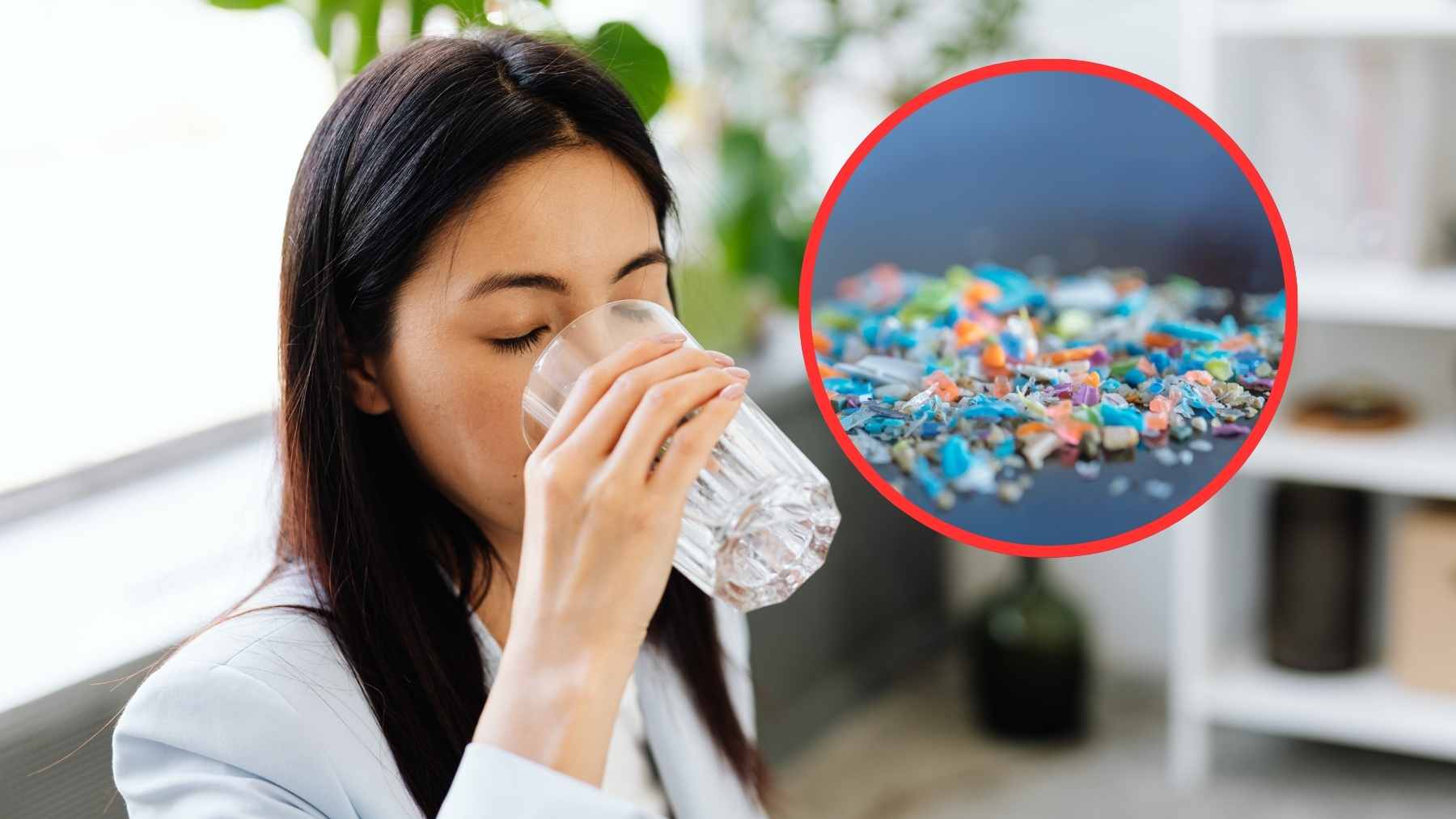
Microplastics have a way of showing up where you least want them, including in the water that comes out of the kitchen faucet. A new lab study from Brazil suggests an old-school plant could help tackle that problem using the same basic playbook many treatment plants already rely on.
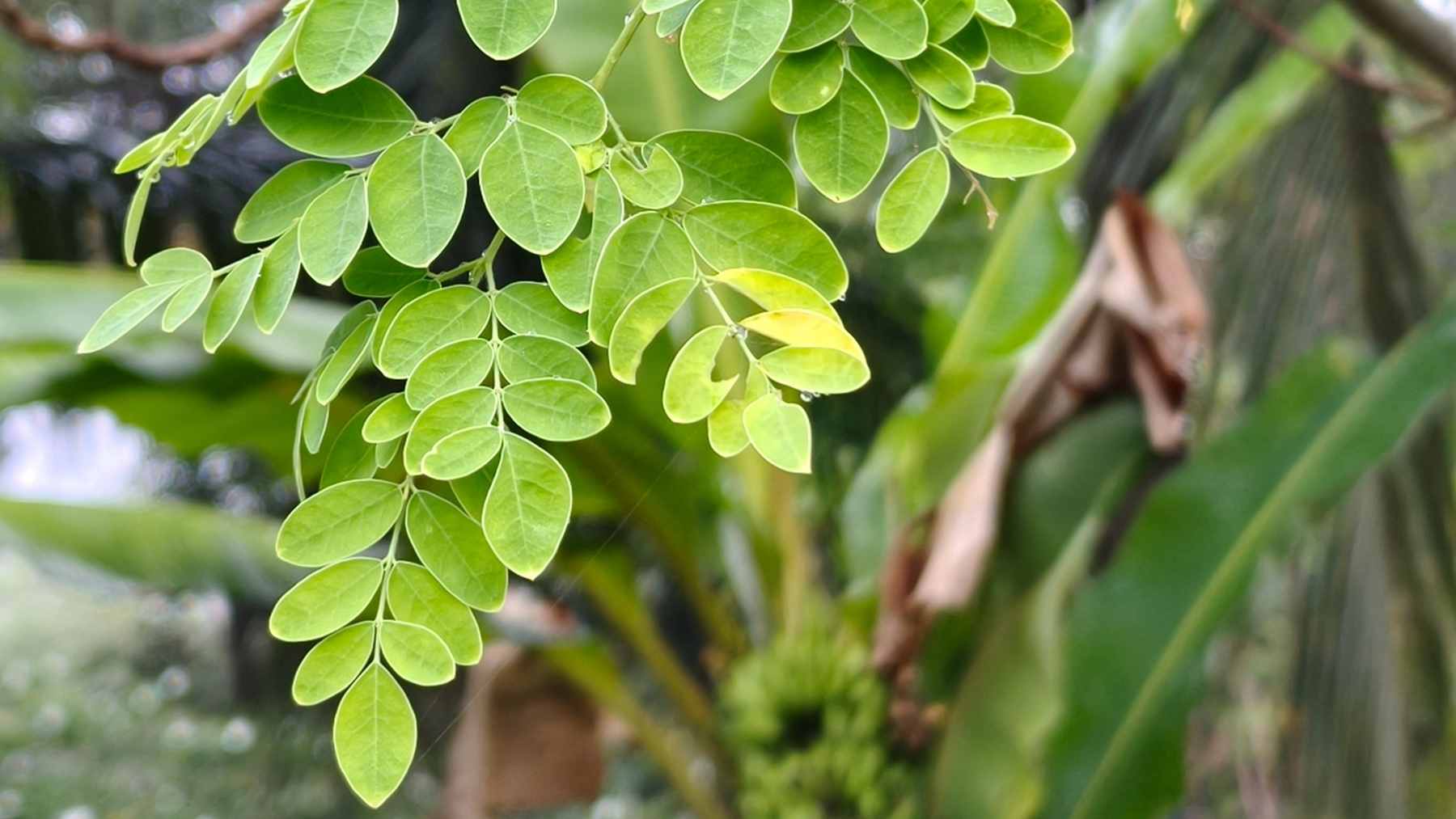
Researchers at São Paulo State University’s Institute of Science and Technology (ICT-UNESP) found that a salt-based extract from Moringa oleifera seeds removed more than 98% of polyvinyl chloride (PVC) microplastics from drinking water in controlled tests.
It performed similarly to aluminum sulfate (“alum”), and in more alkaline water it did even better, which is exactly the kind of detail utilities care about when source water chemistry starts shifting.
How a seed turns “floating” plastic into something you can filter
Microplastics often carry a negative electrical charge, which helps keep them separated and suspended in water instead of settling where filters can grab them. That “repel each other” behavior is one reason tiny particles can be stubborn in real-world treatment systems.
The moringa extract acts as a coagulant that neutralizes those charges, letting particles stick together into heavier clumps called “flocs.” Once the plastic is bundled up like that, a standard sand filter can catch it far more easily.
To keep the lab work closer to reality, the team artificially aged PVC microplastics with ultraviolet light to mimic weathered material. They then ran “jar tests” that replicate treatment steps and counted particles before and after using scanning electron microscopy, alongside measurements of the clumps formed during coagulation.
Alum is effective, but it comes with tradeoffs utilities know too well
Aluminum salts are widely used in drinking-water treatment as coagulants because they help reduce turbidity and remove organic matter and microbes. On a normal day, they are part of why tap water looks clear instead of looking like the river it came from.
But alum can be sensitive to operating conditions, and when the process is not well controlled, aluminum residuals can increase. The World Health Organization has noted that using aluminum salts as coagulants can raise aluminum concentrations in finished water and contribute to deposits in distribution systems, which can show up as unwanted color or turbidity if disturbed.
There’s also a supply chain and waste story baked into this chemistry. Alum is produced using aluminum-rich feedstocks such as refined bauxite, and conventional coagulation creates sludge that has to be managed, moved, and disposed of or reused, which is a persistent cost for water providers.
The business angle is not about “miracle plants,” it is about supply chains
If a plant-based coagulant can match alum in certain conditions, the ripple goes beyond the lab. It raises a practical question for smaller utilities and rural communities in particular: could part of the treatment “chemical bill” shift from purchased industrial inputs to something sourced more locally, at least for specific use cases?
The catch is that scaling is rarely glamorous. In this same line of research, the team pointed to a drawback that matters operationally, namely increased dissolved organic carbon that could require extra removal steps and make full-scale treatment more expensive in some settings.
Still, the timing isn’t random. In April 2026, the Associated Press reported that the U.S. Environmental Protection Agency proposed adding microplastics to a draft Contaminant Candidate List, a policy step that can shape what utilities monitor and what technology markets chase next.
Military and disaster response water tech has a reason to pay attention
Water is not just an environmental issue for the military. It’s a logistics constraint that affects endurance, mobility, and planning, especially in austere operations where every gallon has to be produced, moved, or protected.
U.S. military guidance for field water points out that “typical” treatment can include chemical addition, coagulation, flocculation, filtration, and disinfection. In other words, coagulants are already part of the toolkit when raw water is challenging, long before anyone starts thinking about microplastics specifically.
That makes moringa interesting for a very specific reason. If supply chains are stressed during disaster response or remote deployments, alternatives that can be produced with simpler inputs could add resilience, but only if dosing, shelf life, and safety testing can be standardized to meet strict field water requirements.
What to keep in mind before anyone declares victory over microplastics
Microplastics are a messy category, not a single uniform contaminant. A common benchmark is that they are smaller than 5 mm, but they vary wildly in shape, chemistry, and behavior in water.
Health concerns are also still evolving, and the science is not as tidy as headlines sometimes imply. The World Health Organization has said evidence suggests low concern for chemicals and biofilms associated with microplastics in drinking water, while also stressing the evidence base is limited and more research is needed.
So what does this study really tell us today? It shows a promising coagulation approach for removing aged PVC microplastics under lab conditions, and the team is now testing it with real river water used for municipal supply in Brazil.
The next big proof point will be performance and cost at larger scales, where water chemistry and day-to-day operations can get complicated fast.
At the end of the day, the hard part is turning a strong lab result into safe, repeatable treatment that works every morning, not just in a controlled test.
The study was published on ACS Omega.