You have likely noticed someone standing with their hands crossed over their lower torso, or perhaps you find yourself adopting this stance from time to time. Although the posture might appear neutral at first glance, body language analysis says it can transmit signals about the person’s emotional state, which shape how others interpret feelings and intentions.
Here, we’ll delve into the significance of this gesture across various contexts, exploring the reasons behind its adoption and its influence on interpersonal interactions. We’ll see how this posture can indicate underlying insecurity and modulate power dynamics. Let’s begin.
Why do we guard our lower torso, and what does it communicate
Crossing your hands over your lower torso is not merely a response to physical comfort; it can be an instinctual cue rooted in our emotions. Below, we break down three key contexts where this gesture holds particular meaning.
Anxiety or self-doubt
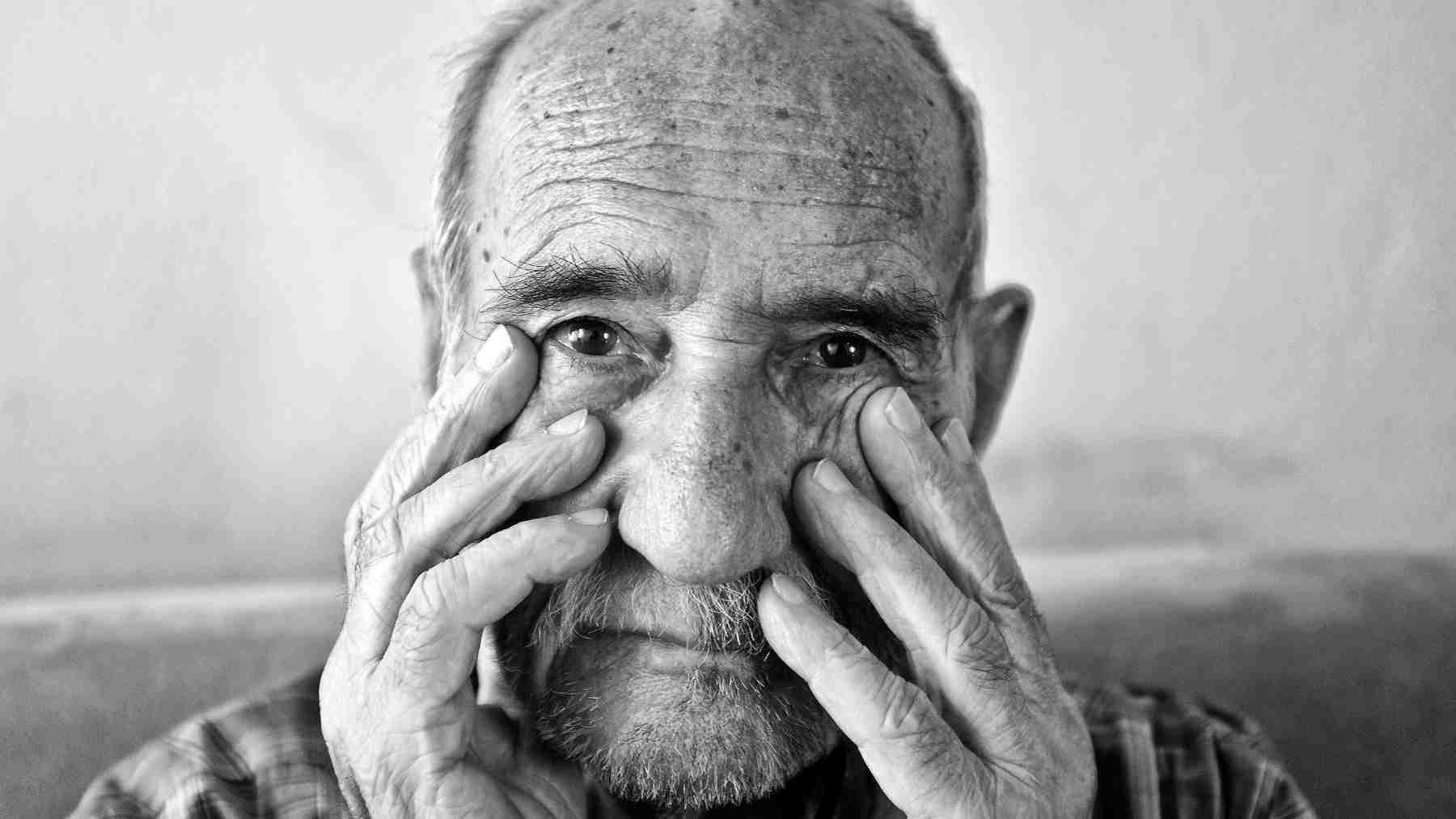
When feeling nervous, we often unconsciously adopt gestures that shield vulnerable parts of our body. For instance, covering the lower torso can work as an instinctive protective response.
This behavior is part of what’s known as a “closed” posture, characterized by shoulders curling forward, the chest caving inward, and the overall body appearing more compact. These nonverbal signals communicate discomfort, so in settings like job interviews or public speaking, it can reduce the perceived confidence.
Power dynamics
Our posture plays a central role in how we exude authority and command attention. When you guard your lower torso, you diminish your physical presence, which can lead others to perceive you as less assertive. In confrontations or negotiations, it may signal reluctance to engage or even passive submission.
For instance, a manager who employs this gesture while delivering performance feedback may struggle to command respect, whereas an individual with relaxed arms and squared shoulders projects decisiveness and authority. The objective is not to dominate space aggressively but to avoid nonverbal signals that make interpersonal influence decline.
Gender plays a role
Social and cultural norms shape the interpretation of body language. Women, often subject to higher scrutiny for exhibiting “closed” behavior because of cultural expectations to appear approachable, might find that guarding their lower torso leads to being labeled as “closed off”.
In contrast, a man displaying the same gesture might simply be seen as cautious. Nonetheless, regardless of gender, utilizing this posture risks being perceived as a sign of insecurity.
How to adjust your hands without overthinking
While guarding your lower torso is not inherently “wrong”, it’s beneficial to remain mindful when it becomes an automatic habit. If you intend to project self-assurance and confidence, begin by allowing your arms to rest naturally at your sides during casual, low-pressure interactions.
This technique helps keep your shoulders relaxed and promotes an open and inviting posture that reinforces positive nonverbal cues. During high-stakes moments such as meetings or presentations, consider practicing grounding techniques: plant your feet firmly, take a deep breath, and consciously resist the impulse to cross your arms or fold inwards.
Most importantly, avoid fixating on achieving perfection in your body language. While nonverbal signs form just one aspect of communication, authenticity is the most important aspect of all. However, if you want to enhance how others perceive you, even minor adjustments in your stance can bring significant benefits.