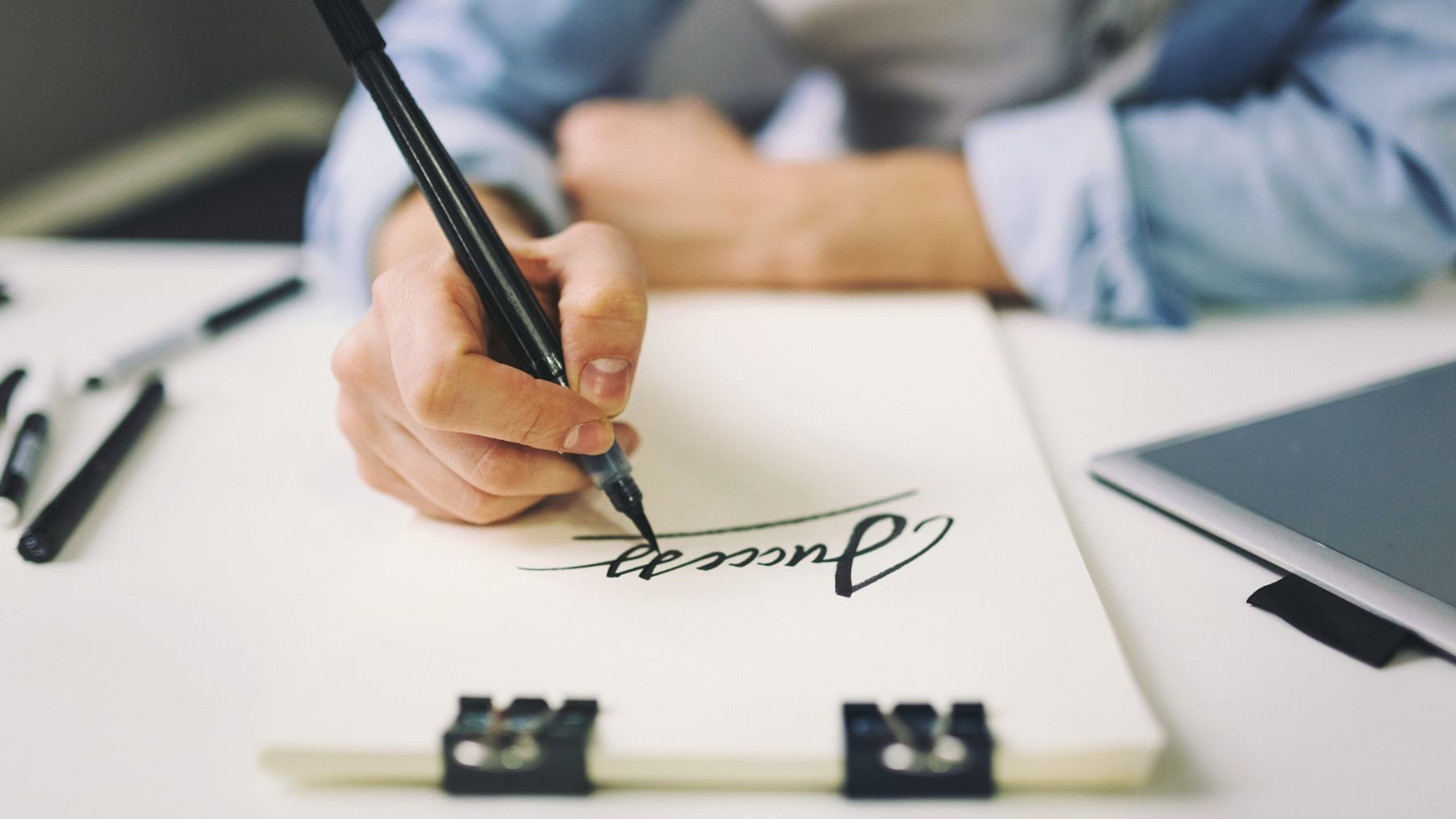
Experts in graphology and handwriting analysis assert that the additional symbols and doodles you include in your signature can subtly reveal hidden layers of personality. While many prioritize legibility, those who incorporate stars, hearts, or other distinctive marks often communicate traits they may not fully recognize.
In the following sections, we’ll break down some symbols and drawings that appear in signatures, explaining what they suggest about an individual’s mindset, priorities, and emotional patterns. We’ll cover an interpretation of these embellishments, offering insights into confidence, creativity, and unresolved needs.
What symbols and drawings in your signature say about you
Graphology experts regard signatures as a mirror of self-image and personal authenticity. Including symbols can indicate a desire to stand out, emphasize specific qualities, or even compensate for inner insecurities. Let’s explore this in more detail.
Stars
Stars serve as symbols of ambition, idealism, and a desire for recognition. Those who incorporate stars into their signatures frequently seek validation or aim to project a “larger-than-life” image. A solitary star may indicate concentrated determination and focus, whereas multiple stars can suggest diffused energy or overly ambitious expectations. An overly elaborate star may conceal underlying self-doubt, too.
Hearts
Hearts typically indicate emotional openness and a focus on interpersonal relationships. They are often found in the signatures of the ones who cherish connection, romance, or family bonds. However, hearts can sometimes suggest dependency or a tendency to prioritize the needs of others over their own. A small heart may reveal quiet sensitivity, whereas a more prominent one might represent demonstrative affection.
Underlines
Underlines serve as a mark of self-assurance when incorporated into a signature. Those who choose to add one are often intent on asserting their presence or establishing authority. A thick, heavy underline may signify stubbornness or defensiveness, while a wavy line might imply adaptability, or even inconsistency. Moreover, an upward-slanting underline may reveal optimism, while a downward tilt could indicate resignation.
Arrows
Those who include arrows are typically goal-oriented, decisive, and eager to move past obstacles. An arrow directed to the right might indicate a future-focused mindset, while one pointing to the left may suggest lingering attachments to the past. Besides, arrows can sometimes reveal a sense of impatience, reflecting a tendency to rush decisions without fully considering the consequences.
Smiley faces or doodles
Adding a smiley face, doodle, or another quirky mark often conveys a playful, approachable personality. These people may prioritize being well-liked and avoiding conflict. Nonetheless, an overabundance of “cuteness” in a signature can sometimes suggest immaturity or an underlying fear of being taken seriously. A small smiley face discreetly integrated into a letter is generally seen as a harmless charm.
Although a star or an underline might appear insignificant at first glance, graphology experts interpret these embellishments as deliberate expressions of how one wishes to be perceived as well as reflections of one’s self-image. The next time you sign your name, take a moment to contemplate what your artistic additions may reveal about your ambitions, fears, and personal values.