
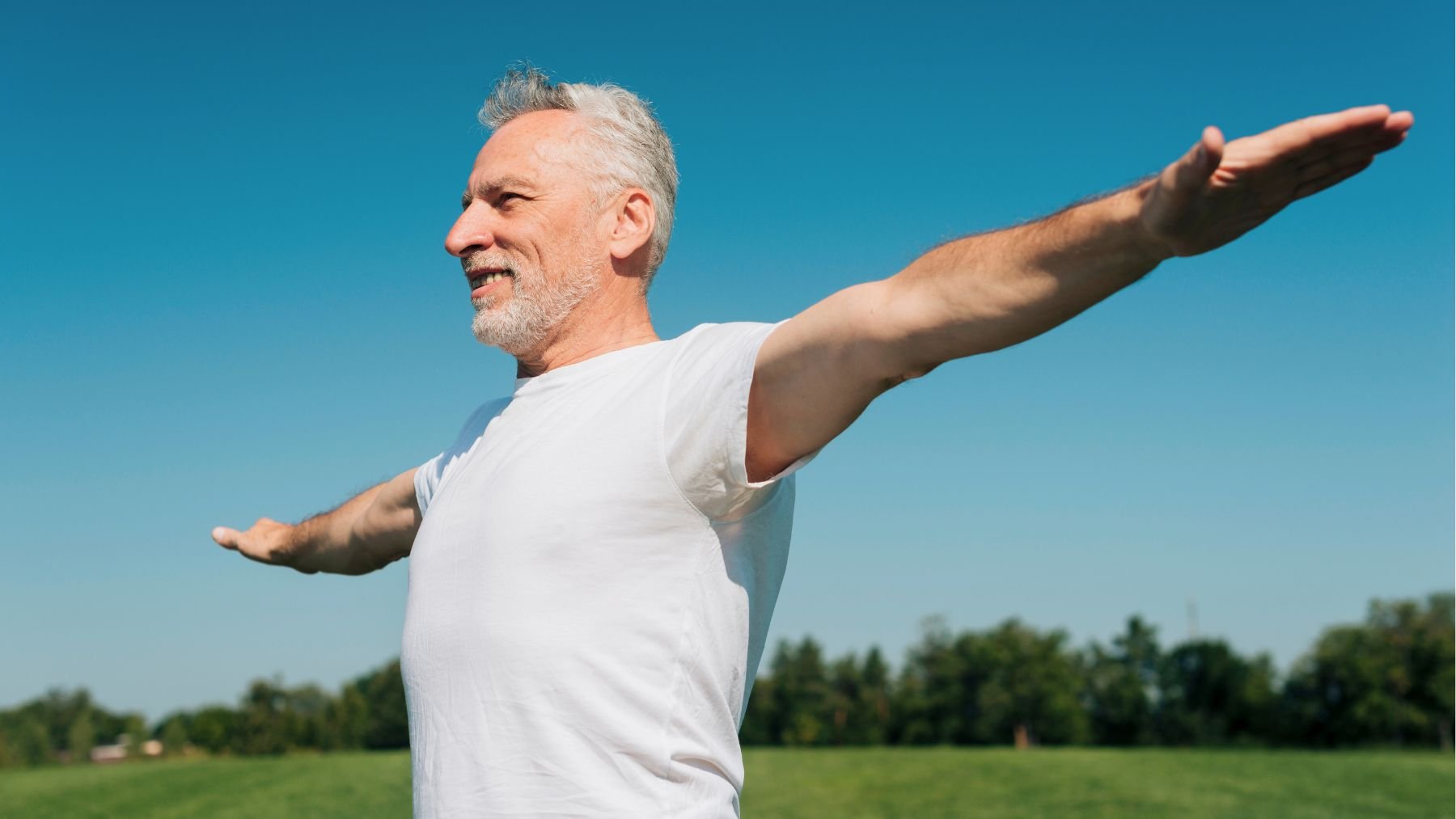
Staying strong after 70 doesn’t always mean hitting the gym or lifting heavy weights. Many older adults are finding that small, simple movements keep their muscles active without stressing their joints.
This routine centers on steady arm and leg extensions. Let’s see how this movement works, why it helps seniors stay mobile, and what other exercises can support strength, balance, and confidence later in life. You’ll also see options that work for people who prefer to exercise at home, in a senior center, or outdoors.
A simple routine to support strength after 70
The core of this routine is slow, controlled extensions of the arms and legs. You lift and stretch the limbs without forcing the body, keeping the motion smooth and steady. It strengthens major muscle groups while staying gentle enough for those with limited mobility or balance concerns.
Arm extensions help keep the shoulders open, improve circulation, and reduce stiffness that often builds up with age. These movements also support posture, which makes everyday tasks like reaching, lifting light objects, and getting dressed easier.
Leg extensions work the quadriceps, hamstrings, and hips. This is key for walking stability, stair climbing, and reducing fall risk. Many seniors notice that regular extensions help them take longer walks, stand up from chairs with less effort, and feel more grounded when moving around the house.
Another benefit is that extensions encourage slow breathing and calm focus. That combination helps reduce tension and boosts confidence, especially for people who stopped exercising during the pandemic or after an injury. Because the motion is simple and low impact, it’s easier to stay consistent.
Other exercises seniors can try
Once you feel comfortable with extensions, you can add a few other movements to round out your routine. These exercises also suit people with different mobility levels and can be done in a living room, backyard, or community park.
- Walking: A short daily walk supports the heart, helps control weight, and keeps the legs strong. Many doctors encourage older adults to aim for around 20 minutes a day if possible.
- Chair-assisted balance work: Standing behind a chair and lifting one foot at a time helps train balance and coordination. It reduces fall anxiety and builds stability.
- Light resistance with bands: Elastic bands add mild strength training without putting pressure on the joints. Seniors can use them for biceps curls, gentle rows, or hip strengthening.
- Water aerobics: Community pools offer classes that reduce impact on the knees and back. Water supports the body while allowing a wide range of motion.
- Gentle stretching: Neck rotations, side bends, and seated stretches keep the muscles relaxed and reduce stiffness. Stretching two or three times a week helps maintain flexibility.
- Yoga for seniors: Chair yoga or slow mat sessions support mobility and calm the mind. Many senior centers across the US offer beginner classes.
Adding a mix of these movements keeps the routine fresh and engaging. You can adjust the intensity depending on your comfort level and needs. The goal isn’t to push hard, but to stay active, steady, and confident.