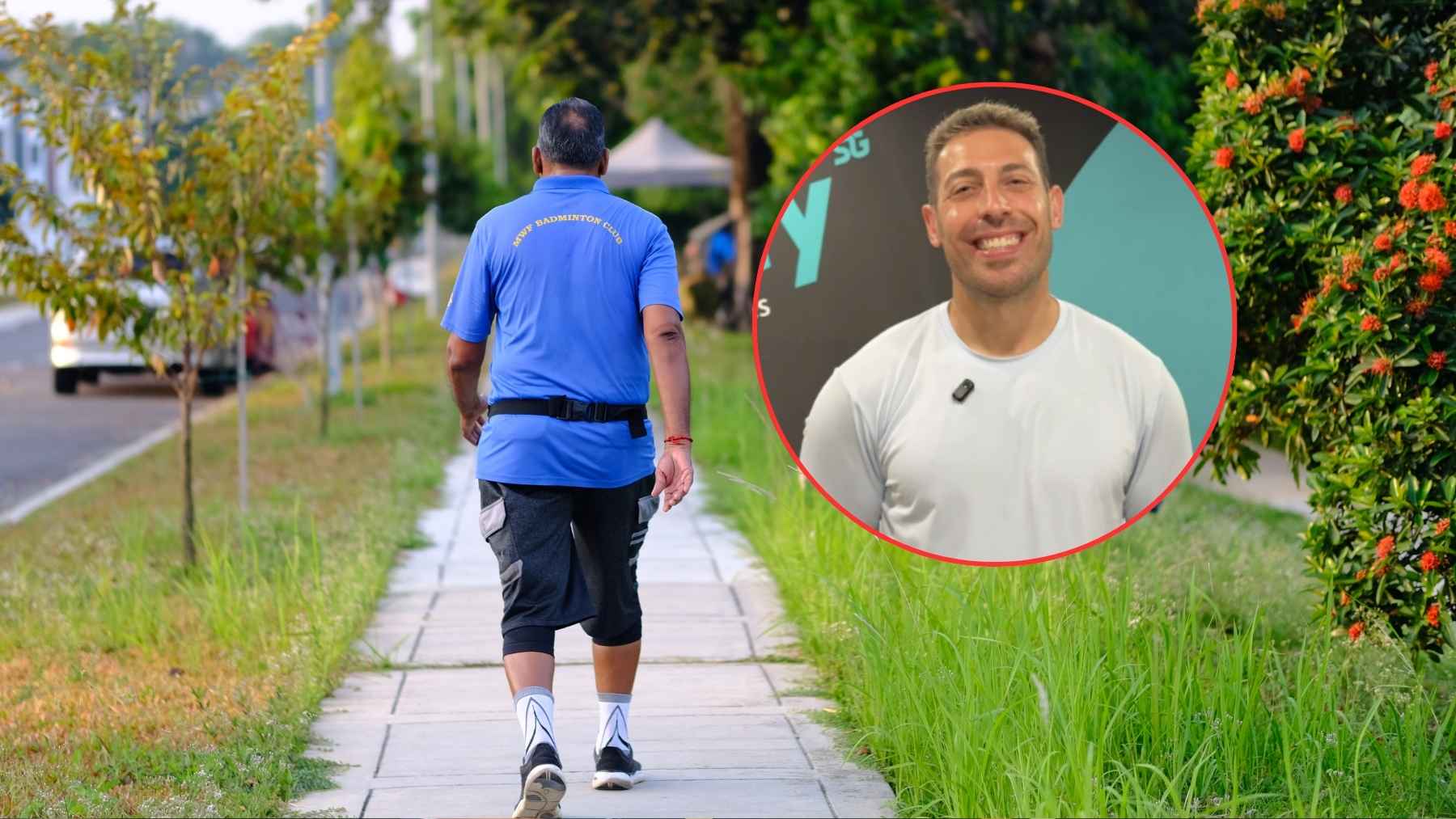
Walking is an activity that can reveal a lot about a person’s mindset and personality. According to a 2018 study published in the Journal of the American Geriatrics Society, our walking speed can reflect our cognitive and emotional state. Slow walkers, in particular, tend to exhibit unique psychological traits that set them apart from their faster counterparts.
Psychologists believe that walking pace correlates with how we perceive the world and respond to it. While fast walkers often prioritize efficiency, slow walkers may value mindfulness and caution. So, what does it mean when someone walks very slowly? Let’s explore the psychological implications.
The psychology of walking slowly
People who walk slowly often display traits of introversion and self-reflection. They may prefer to take their time to process their surroundings and emotions at their own pace. This behavior suggests a cautious and deliberate nature. These individuals are less likely to rush into decisions and tend to think through their actions carefully.
Slow walkers often enjoy solitude and feel content in their own company. They’re not typically drawn to the spotlight and may even avoid it. In social settings, they’re more likely to observe than participate actively. This tendency to stay in the background can stem from a desire to avoid overstimulation or anxiety, which introverts commonly experience.
From a health perspective, a consistently slow walking pace may signal lower physical fitness or a sedentary lifestyle. Studies show that slower walking speeds in older adults can correlate with declining cognitive and motor functions. However, not all slow walkers are inactive or unhealthy. For many, it’s a conscious choice to prioritize mindfulness and reduce stress.
Benefits and challenges of walking slowly
For slow walkers, one of the biggest benefits is that they can be fully present in the moment. It allows them to appreciate their environment, whether it’s the feel of the pavement beneath their feet or the sound of birds chirping nearby. This practice aligns with the principles of mindfulness, which have been linked to reduced stress and increased emotional well-being.
On the flip side, this tendency can sometimes lead to social misunderstandings. Fast walkers might perceive slow walkers as lazy or unmotivated. Besides, a slower pace in a fast-moving world can result in feeling left behind or out of sync with societal expectations.
Walking speed offers fascinating insights into a person’s psychological aspects. Slow walkers are often introspective, mindful, and cautious, traits that can foster a sense of inner peace but also pose challenges in a fast-paced society.
Whether you’re a slow walker by choice or due to external factors, understanding the psychological side of your pace can help you live a more balanced life. Next time you’re out for a stroll, pay attention to your speed. Are you rushing to meet a deadline or taking your time to savor the journey? Either way, your walking style will serve as a window into your state of mind.