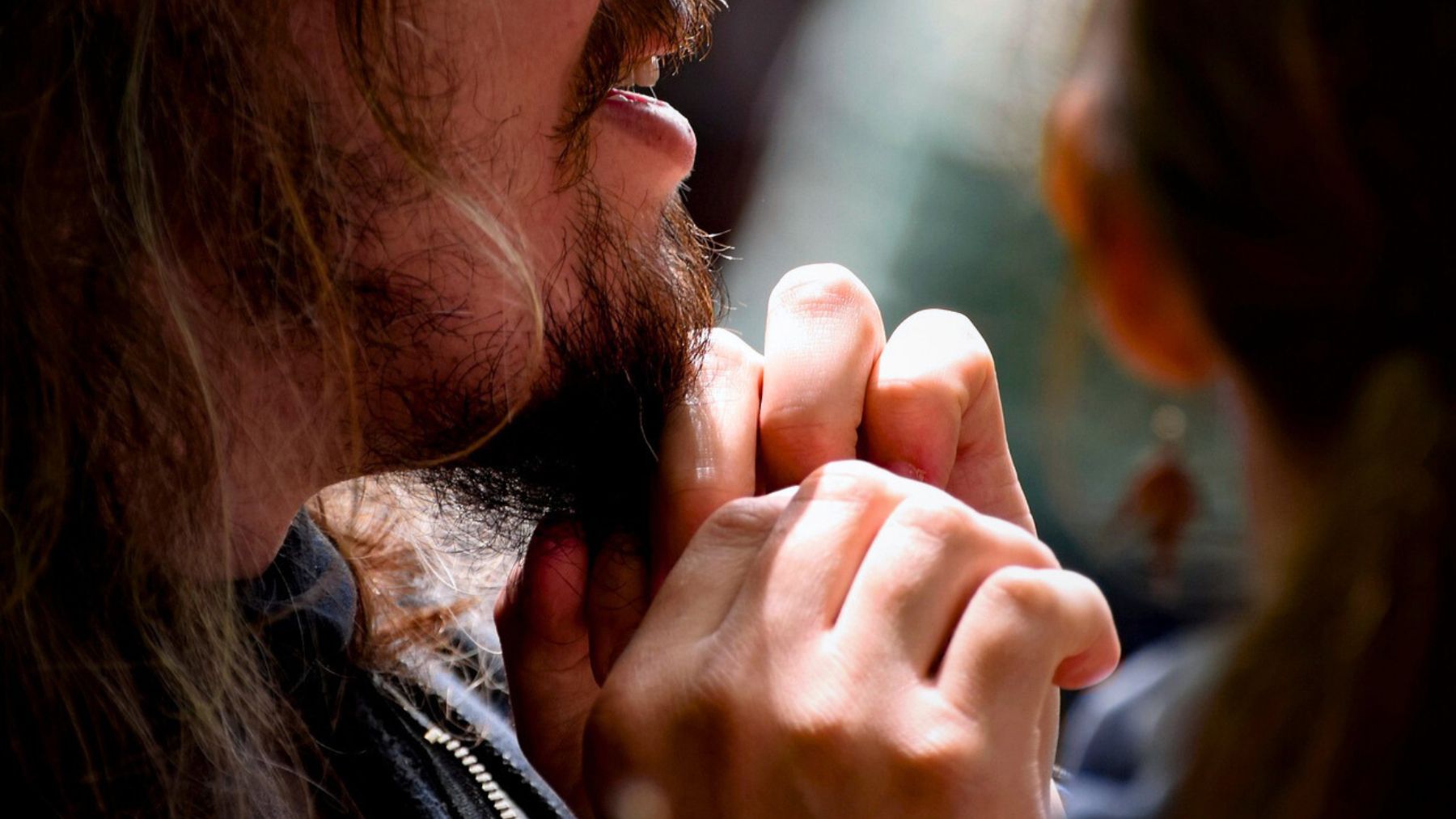
Ever noticed someone stroking their chin during a conversation? It might seem like a casual habit, but this subtle gesture can reveal a lot about what’s happening in their mind. Whether in a classroom, boardroom, or a laid-back chat at a coffee shop, this motion can signal deep thought and decision-making.
Chin stroking is part of what psychologists call an “evaluation gesture”. When someone gently runs a finger along their chin or cups it thoughtfully, they’re likely processing ideas or strategizing their next move. This quick, subconscious action hints that their mind is actively working. Let’s dive deeper into the meaning of this sign.
What does stroking your chin reveal?
Chin stroking is an easily overlooked gesture with meaningful implications. Primarily, it signals that someone is weighing options or making a decision. Think of it as a mental pause button, a way to ask: “Does this make sense?” or “What’s the best approach here?”.
For many, it also acts as a protective reflex. It might subconsciously shield your true thoughts in a debate or negotiation, keeping your stance private. The angle of the chin adds nuance, too. A raised chin can convey confidence or pride, while a lowered one might suggest sadness or fatigue. But these are not the only nuances this gesture might have.
Chin stroking with other gestures
When combined with additional body language, chin stroking paints a fuller picture of someone’s mindset. For example:
- Direct eye contact + chin stroking: This combination suggests scrutiny or judgment. Direct eye contact indicates focus on the person and their words, while in a state of deep thought and evaluation. This often occurs where a decision or critical feedback is needed, such as a job interview or a serious discussion.
- Crossed arms/legs + chin stroking: Resistance or skepticism. The closed posture of crossed arms or legs hints they’re unconvinced or defensive. Chin stroking in this context shows they’re pondering your words but remain doubtful. It’s common in debates or confrontations where the person is not easily swayed.
- Leaning forward + open arms + chin stroking: Signals engagement. They’re likely receptive and curious about your perspective. The chin stroking here enhances their focus on the conversation, indicating they are thoughtfully considering what you’re saying.
- Slow facial hair stroking: Shows intense focus. They’re absorbing every detail of the conversation. This gesture is often seen in thoughtful or analytical individuals. The slow movement indicates they are taking their time to process information thoroughly.
- Chin resting in palm + raised head: Boredom or exhaustion. This shows a lack of engagement and can suggest that the person is either tired or uninterested in the current conversation. It is a common sight in long meetings or lectures where the person’s attention has waned.
By observing this gesture alongside other cues, you can decode unspoken emotions and intentions in those around you and foster empathy and better clarity in conversations. Next time you spot someone stroking their chin, you’ll know: they are probably in deep thought.