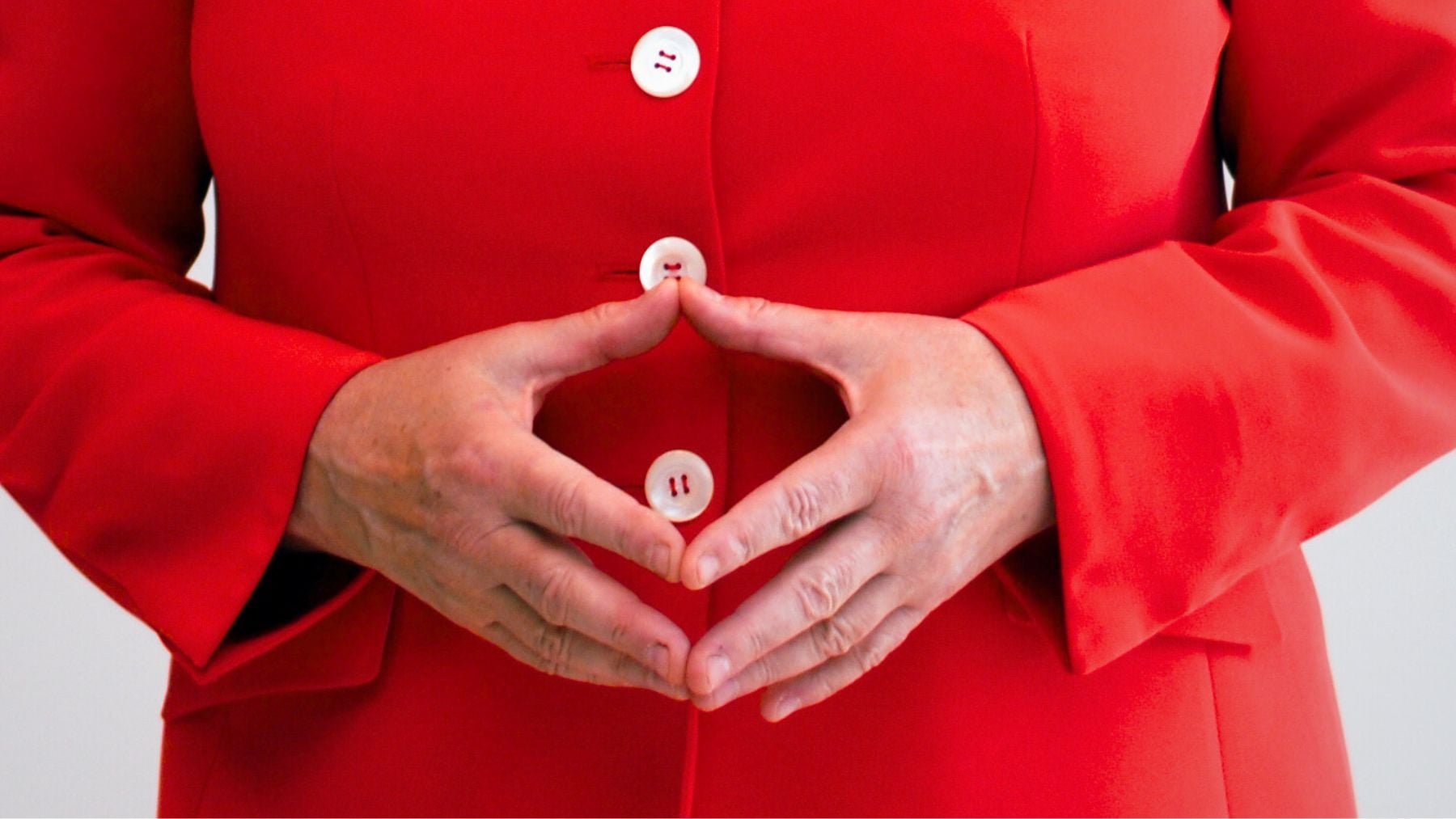
You may have noticed how some world leaders or public speakers clasp their fingers together, forming a triangle shape with their hands. This gesture, often referred to as the “steeple hands” or “hands in a triangle”, holds a fascinating psychological significance. According to experts like psychologist Luis Arimany, this subtle but powerful hand movement conveys confidence, authority, and a sense of control.
Understanding nonverbal communication is essential, as body language often reveals more than words alone. Among the many gestures that people unconsciously use, forming a triangle with the hands stands out as a universal symbol of self-assurance. Let’s delve into the psychology behind this gesture and its implications in communication.
The psychological meaning behind the triangle gesture
The triangle gesture is perceived as a sign of confidence and self-possession. It’s no coincidence that many political figures and corporate leaders adopt this pose during speeches or negotiations. According to Arimany, this gesture signals that the individual has a firm grasp of the situation and projects a sense of authority.
In the context of business or negotiations, “steeple hands” can carry even deeper significance. Arimany notes that when someone makes this gesture, it often indicates they’ve reached a decision. If accompanied by positive cues, it suggests the person is ready to close a deal or agreement. However, if the gesture follows negative signals, it may imply hesitation or rejection.
A gesture for speaking and listening
While forming a triangle with the hands is primarily associated with speaking, it also plays a vital role in active listening. When someone places their hands in this position while listening, it conveys focus, attentiveness, and thoughtfulness. This nonverbal cue tells the speaker that their message is being taken seriously.
The gesture also suggests calmness and openness, creating an environment where the other person feels valued. In high-stakes conversations, this subtle move can foster trust and mutual respect, paving the way for productive dialogue.
Potential pitfalls of overusing the triangle gesture
Although the triangle gesture is generally positive, overusing it can backfire. Excessive reliance on this pose might come across as intimidating or even arrogant. Experts caution against making it a habitual part of your body language, as it could create an unintended impression of superiority.
Additionally, combining this gesture with negative facial expressions, such as a stern look or a smirk, can transform its meaning entirely. Instead of projecting confidence, it might signal disdain or dismissiveness, alienating your audience or conversation partner.
The triangle gesture is a powerful element in nonverbal communication, often used to project confidence, authority, and attentiveness. Whether you’re speaking or listening, employing this gesture strategically can enhance your presence and reinforce your message. However, like any tool, it must be used judiciously to avoid unintended negative impressions. By understanding this simple movement, you can elevate your communication skills and leave a lasting impression on those around you.