
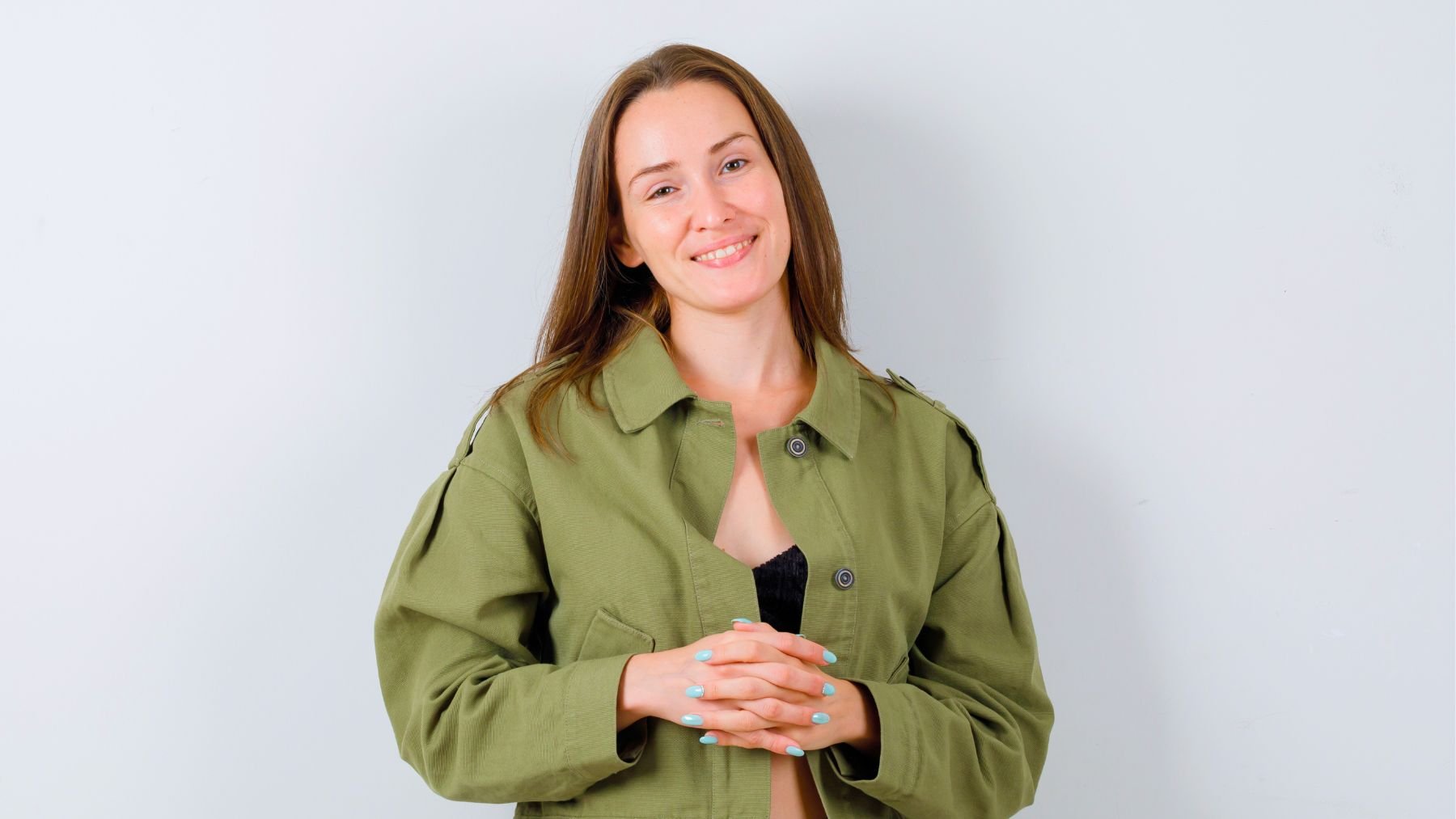
Body language experts often point out that confident people avoid folding their arms because it sends signals that don’t match openness, ease, or self-assurance.
In conversations, the way we hold ourselves reveals plenty about our mindset. Here, we’ll break down why crossing your arms changes how others read you, what it shows about your internal state, and how confident people use other nonverbal cues to communicate presence, warmth, and emotional stability.
Why confident people keep their arms uncrossed
When you cross your arms, you’re creating a physical barrier. Closed-off postures can reflect a protective mindset, a drop in comfort, or subtle social tension. Even if you don’t feel that way, the gesture can read as defensive or withdrawn. Confident people tend to avoid gestures that create distance between themselves and others because they’re comfortable being seen and staying engaged.
An open posture helps you appear more relaxed and secure. Keeping your arms uncrossed leaves your chest and torso visible, which signals trust and comfort in everyday interactions. It also makes it easier to breathe deeply and maintain steady eye contact, two behaviors often linked with calmness and grounded self-esteem.
Crossing your arms can also affect your mindset. Studies show that when your body takes on a closed position, your brain may interpret that posture as a sign of stress or uncertainty. Confident people tend to rely on postures that support a steady mood. Keeping the arms loose at the sides or resting gently in the lap sends cues to the nervous system that you’re in control and not bracing for conflict.
When you cross your arms, people may assume you’re uninterested or judging the conversation, even when that’s far from the case. Confident individuals understand how posture shapes others’ reactions. By keeping their stance relaxed, they invite smoother communication and build rapport without effort.
Other gestures confident people use (and avoid)
Body language works as a full system. If you pay attention to confident people, you’ll see a pattern of consistent, open movements that match their tone.
- They maintain steady but soft eye contact. It shows attention without looking intense or controlling.
- They stand with balanced weight. Shifting constantly or leaning away sends mixed signals. A grounded stance reads as calm and steady.
- They use light hand gestures when speaking. These small movements help clarify messages and make conversations feel more natural.
- They avoid fidgeting. Constantly touching jewelry, hair, or clothing can signal nerves. Confident people keep their hands still when they’re not gesturing.
- They angle their body toward the person they’re talking to. Turning sideways can suggest hesitation or impatience.
- They keep their shoulders relaxed. Tight shoulders are a common sign of tension, while relaxed shoulders reflect ease.
- They nod sparingly. A few nods show interest. Excessive nodding can imply insecurity or a need for approval.
- They smile naturally. A soft, easy smile signals comfort and helps others feel at ease.
Each of these gestures supports the message that someone feels grounded, steady, and comfortable in their own skin. When arms stay uncrossed and posture remains open, conversations flow better, and people respond more positively. Confidence is communicated through calm, open body language that welcomes connection rather than blocking it.