
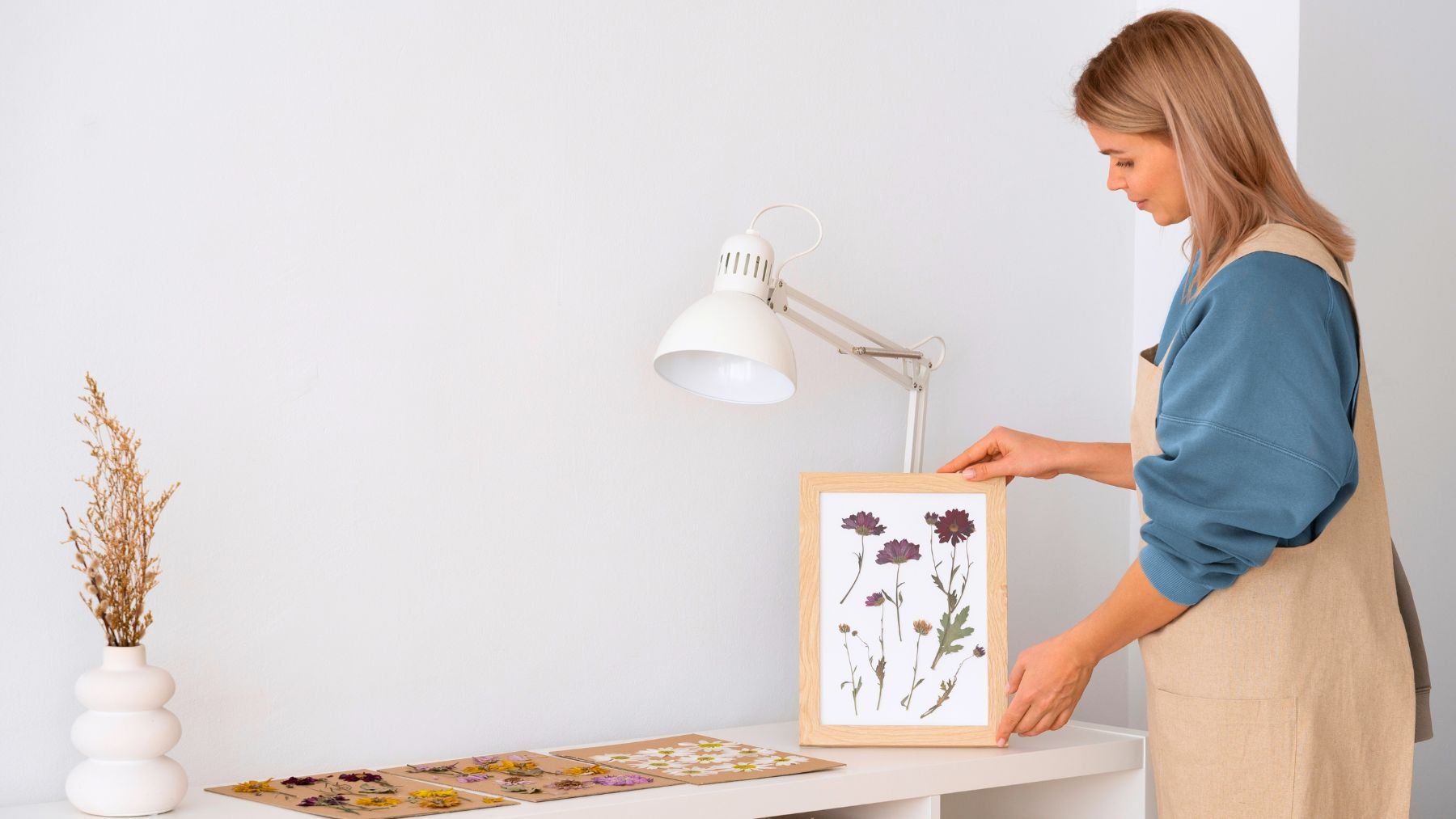
If you’re someone who rearranges the living room on a random Wednesday or swaps out throw pillows every season, you might wonder what that habit says about you. The urge to refresh your space can reveal patterns in mood, motivation, emotional regulation, and how you respond to stress.
Psychologists often look at daily behaviors as subtle clues about your inner world. Here, we’ll explore what frequent home updates can signal, why some people rely on their environment to feel grounded, and how certain decorating habits connect to personality traits and emotional needs.
Why do you keep changing your home decor?
Many people adjust their surroundings when they’re shifting into a new phase, feeling stuck, or craving a sense of control. Rearranging furniture, repainting walls, or rotating art can create the kind of reset that some people get from journaling or meditation. The process itself gives structure during times when your thoughts feel scattered.
For others, frequent refreshing reflects high sensitivity to sensory details. If lighting, textures, colors, or clutter influence your mood, you’re more likely to tweak your space to keep it aligned with how you want to feel. Cooler tones can help you focus. Warm lighting can soften anxiety. Organizing shelves can calm nervous energy. Changing decor becomes a way to create the emotional atmosphere you need at that moment.
It can also point to a strong need for novelty. You might get energy from experimenting with patterns, materials, plants, and design trends. It’s not about impulsivity, but about staying mentally stimulated. A new rug or reconfigured dining room can scratch that itch without dramatic life changes.
In some cases, frequent decor updates show that you connect your identity to your environment. Your home becomes an expression of growth, goals, and self-image. When you evolve, your surroundings evolve with you. It often means you’re self-aware enough to create a space that matches who you are today.
Other habits that signal similar things
This tendency shows up in other everyday behaviors, too. Many of the actions we think of as random quirks are tied to the same emotional drivers behind decorating habits.
- Reorganizing closets and drawers. This often reflects a desire for control and structure, especially during transitions or stressful periods.
- Rotating hobbies frequently. You may bounce between crafts, workouts, or creative projects to keep your mind active.
- Changing hairstyles or clothing styles often. This can signal a need for novelty, identity expression, or emotional reset.
- Switching up digital spaces. Updating phone wallpapers, desktop layouts, or app folders can provide a quick sense of order.
- Decluttering in waves. Some people clear out items repeatedly to manage anxiety or create a calmer sensory environment.
- Moving small items around. Shifting plants, lamps, or decorative accents can reflect a subtle need for grounding when life feels unpredictable.
These habits share the same emotional logic: adjusting your environment can help you adjust your mind. None of them suggests instability. They often show that you’re attuned to your mood, responsive to your needs, and willing to use your surroundings as a tool for comfort and clarity.