While we know that human nature is complex, color psychology suggests that the hue of your car might hint at personality traits. Whether you picked your car for style or practicality, your color choice could be saying more about you than you think.
Across the US, car buyers put a lot of thought into their choice of color. Here we’ll explore five popular car colors and the personality clues they might reveal. Keep in mind that these ideas are just a fun look into color psychology, not hard science, but they can spark a great conversation.
White
A white car tells a story of clarity and simplicity. You probably value order and a clean look. White symbolizes freshness and efficiency, hinting that you like keeping things neat and straightforward. It’s a favorite among professionals and families in cities like New York or Dallas who appreciate a timeless design. It might also mean you’re practical, balanced, and ready to start each day with a fresh perspective.
Black
Choosing a black car is a bold move. This color exudes sophistication and a touch of mystery. It says you’re confident and like to project an air of authority on the road. Your car can also reflect an independent and determined personality. If you opt for this classic color, you likely value elegance and aren’t afraid to make a strong impression. It’s a timeless choice that never goes out of style.
Blue
A blue car speaks to a calm and reliable nature. This is the color of trust and serenity, and it suggests that you’re a down-to-earth person who values balance. If you’re behind the wheel of a blue vehicle, you probably appreciate creativity and clear thinking. It’s a popular choice among relaxed and confident folks and it signals that you’re approachable, thoughtful, and ready to handle life’s twists with a cool head.
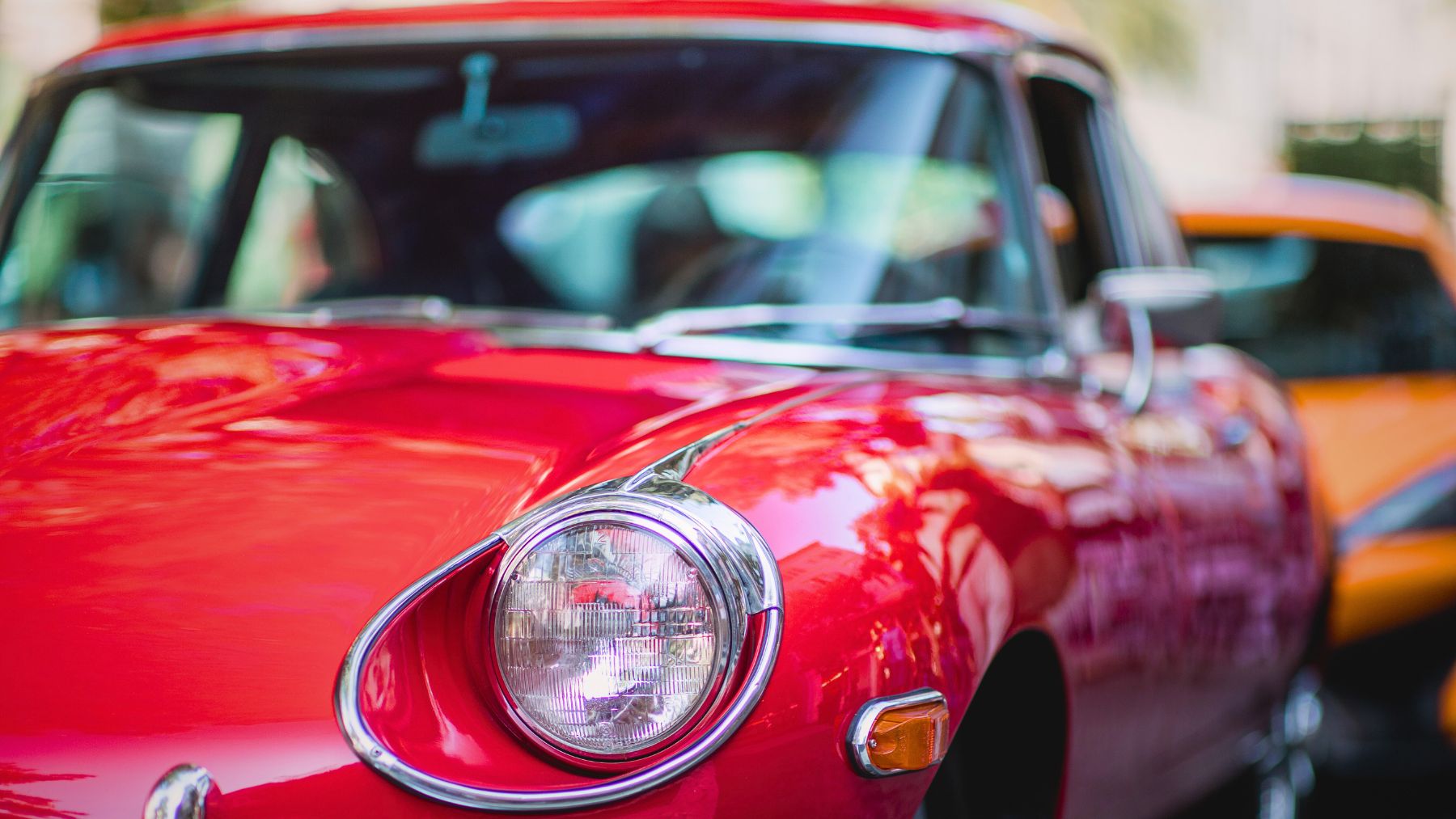
Red
There’s nothing subtle about a red car, it’s all about energy and passion. Red stands out on American roads reflecting a personality that’s daring and full of life. If you choose red, you might be seen as adventurous, confident, and willing to take risks. This fiery shade often appeals to drivers who love high-performance rides and aren’t afraid to turn heads. It also indicates that you’re driven by ambition and aren’t shy about showing your spirited side.
Silver
Silver offers a sleek and modern look without screaming for attention. It speaks of someone who values innovation and practicality, paired with an understated sense of luxury. Silver cars are often chosen by those who like to stay ahead of trends and prefer a sophisticated and minimalist aesthetic. It’s a popular choice for tech-savvy buyers and professionals who want their car to reflect a futuristic and refined style.
These insights into car color psychology are fun to consider, but they’re not set in stone. Your personality is far more complex than any single shade can capture. Whether you drive a mysterious black, a passionate red, or a modern silver, your car is just one piece of the puzzle. Enjoy the expression of your individuality through your ride, knowing that it’s just one of many ways to showcase your personality.