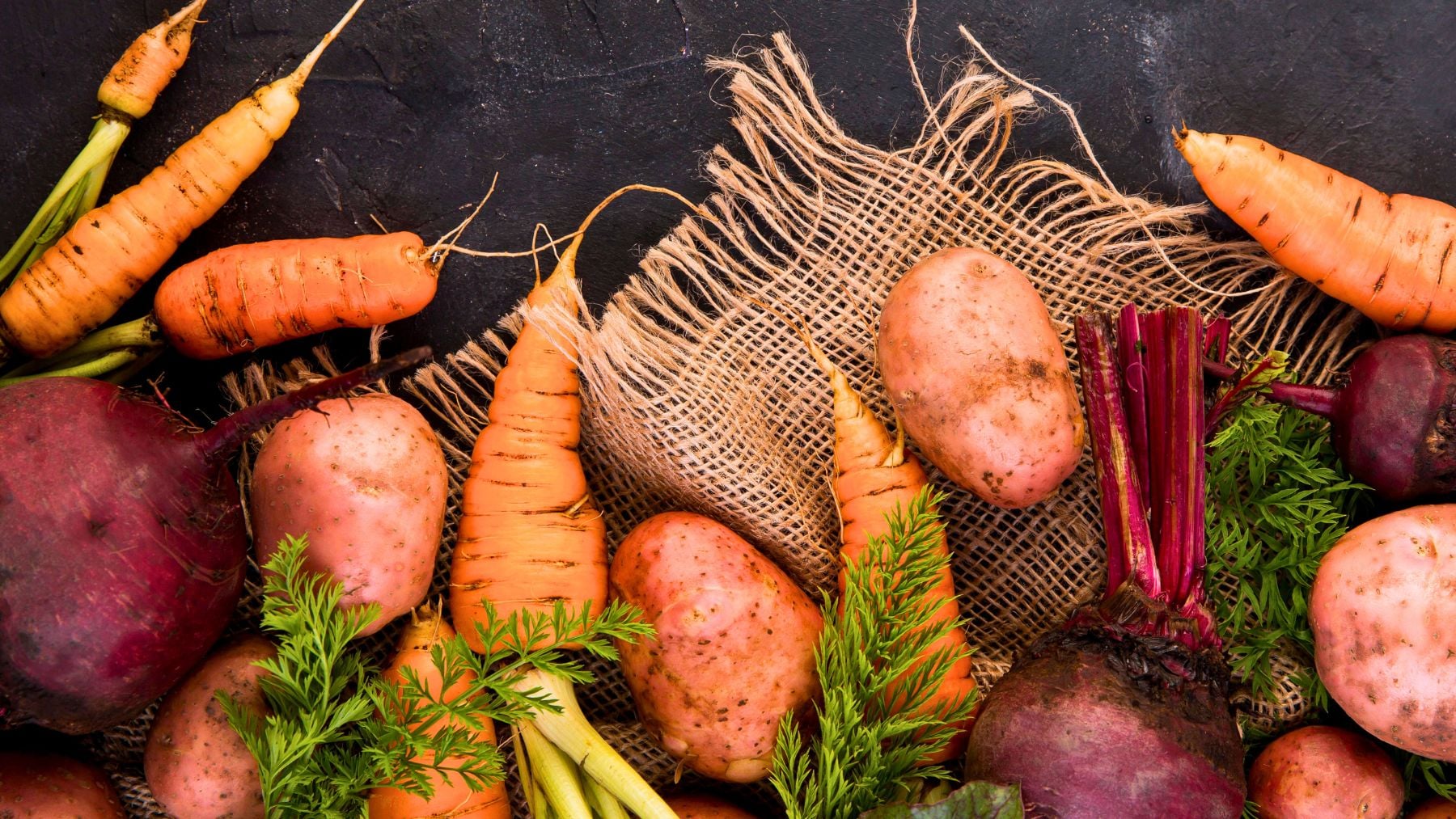
Carrots are well known for their vitamin A content, but some foods deliver even more of this important nutrient—often without getting the recognition they deserve. If you’ve been relying on carrots alone, you might be missing out on stronger vitamin A sources that support eye health, skin, and immunity.
Here, we’ll cover six lesser-talked-about foods that outshine carrots in vitamin A content, and explain how you can add them to your diet in practical ways.
Foods that beat carrots for vitamin A
Let’s explore six foods that provide more vitamin A (measured in retinol activity equivalents, or RAE) than the typical half-cup of raw carrots (around 459 mcg RAE). For most adults, the daily needs are 900 mcg RAE for men and 700 mcg RAE for women.
- Sweet potato: A large baked sweet potato with skin offers about 1,730 mcg RAE, coming from plant-based carotenoids (beta-carotene) that the body converts to vitamin A.This form is safer at higher intakes than retinol.
- Beef liver: Three ounces of cooked beef liver contain about 6,582 mcg RAE, roughly seven times the adult male daily requirement. This is preformed vitamin A (retinol), which is highly bioavailable but can be toxic in excessive amounts.
- Spinach: Half a cup of boiled spinach delivers around 573 mcg RAE—more than half of what many adults need—and more than the same volume of carrots.
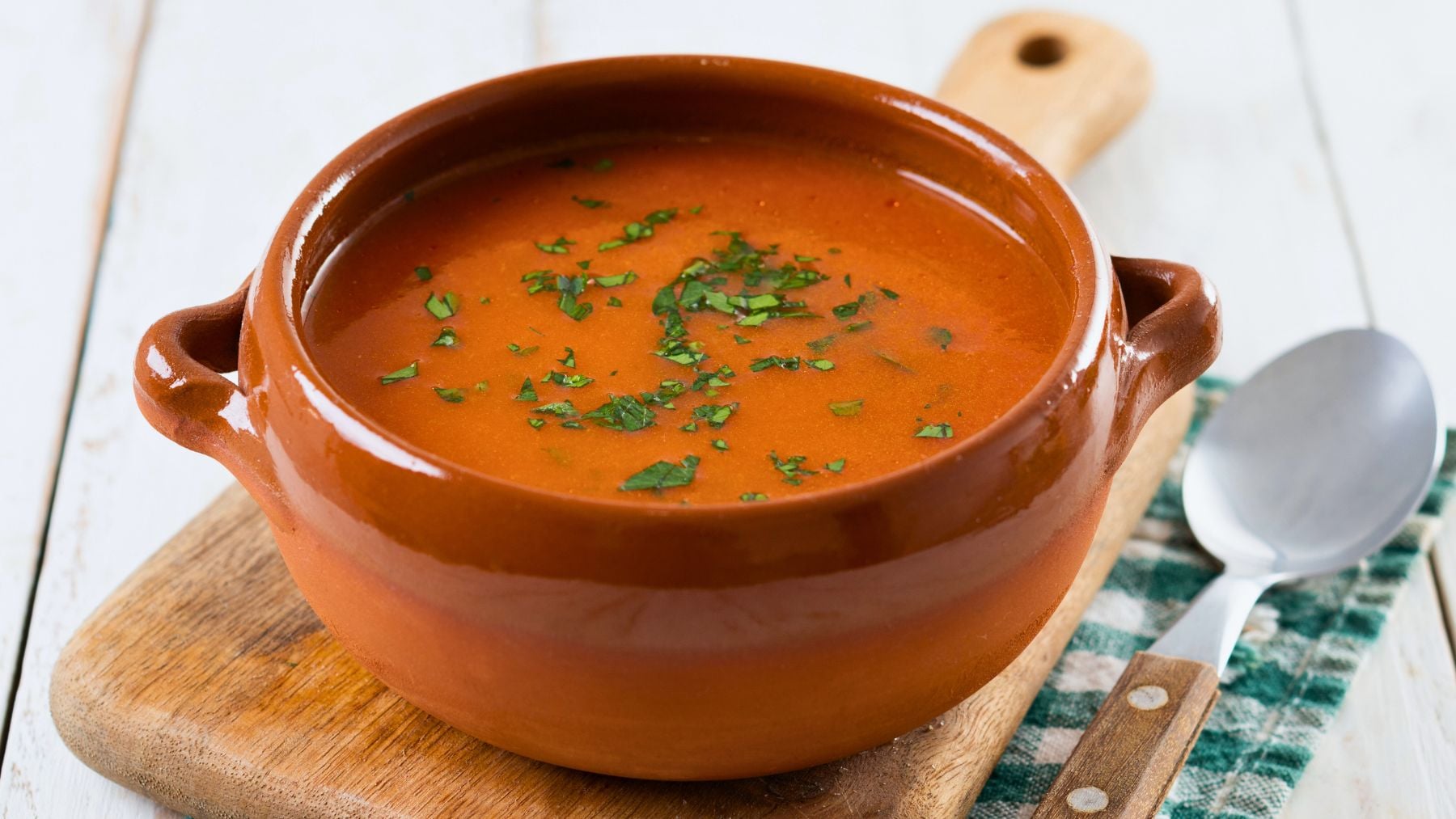
- Pumpkin (or pumpkin soup): One cup of pureed pumpkin gives about 902 mcg RAE. While most people think of pumpkin for fall treats, it’s a strong vitamin A source year-round.
- Liverwurst: One slice of liverwurst provides approximately 1,495 mcg RAE, well above what many adults need. Again, because this is retinol form, moderation is important.
- Pumpkin pie: One slice of commercially prepared pumpkin pie provides roughly 488 mcg RAE. While lower than the others listed, it still rivals carrots and shows how dessert can also contribute nutrients.
These foods vary in how the vitamin A is delivered. Animal-based sources provide retinol, which your body needs directly. Plant-based sources supply carotenoids like beta-carotene, which your body converts into vitamin A.
How to include these foods rich in vitamin A in your meals
Adding these nutrient-rich foods doesn’t mean a major diet change. Here are practical tips:
- Rotate in beef liver or liverwurst occasionally in minced meat dishes.
- Swap regular potatoes for sweet potatoes; roast, mash, or bake them with skin on.
- Use spinach as a base for salads, stir it into soups or stews, or saute it with olive oil.
- Use pureed pumpkin in soups, curries, or stews. You can also make smoothie mixes.
- Occasionally, use pumpkin pie as a dessert, or incorporate pumpkin puree into oatmeal or muffins.
When using animal-based vitamin A sources, balance intake and avoid combining excessive amounts with high-dose supplements to reduce the risk of hypervitaminosis A.
By choosing a variety of these foods, you’ll meet your vitamin A needs more easily and get other nutrients like fiber, iron, and antioxidants in the process. While carrots are a strong source, incorporating these six foods gives you additional options that might fit different meals, flavors, and dietary preferences.