
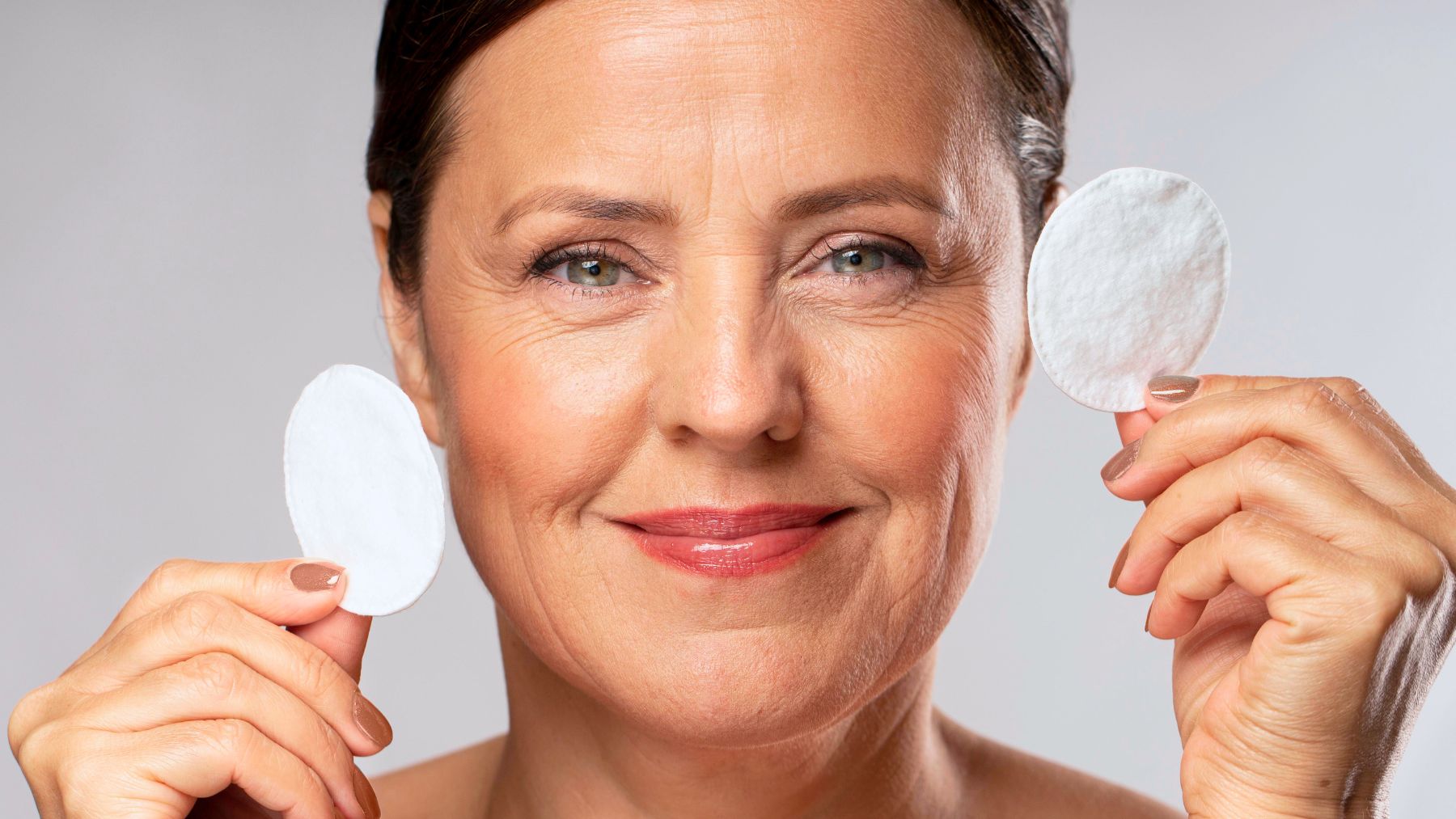
A smooth, natural-looking base gets harder to achieve with age, especially when foundation starts settling into lines or clinging to dry patches. Beauty expert Lois Joy Johnson has a simple trick many women overlook. It involves a basic makeup sponge—not to apply your foundation, but to fix it after it’s on your skin.
This small move helps soften heaviness, remove buildup, and bring back a fresh finish without redoing your makeup. Let’s cover her method in clear steps and why it works so well on mature skin. We’ll also cover extra tips to help women over 55 keep their base light, flexible, and flattering from morning to night.
A smarter way to use your makeup sponge after 55
According to Lois Joy Johnson, a makeup sponge does its best work when it’s not used to apply foundation. She explains that sponges soak up product fast, which leads to using too much makeup and losing that natural skin-like finish. Instead, she recommends using the sponge as a finishing tool.
After you’ve applied your foundation or BB cream with your fingers or a brush, wet a sponge with warm water and squeeze out every bit of excess. Then press the sponge across your face—no swiping, no dragging. The dampness grabs leftover product sitting on top of the skin, especially around the nose, chin, and fine lines, where makeup tends to collect. It also keeps the base from looking heavy around the cheeks and jawline.
This gentle pressing brings moisture back into the makeup and softens any edges. It leaves your foundation thin where it needs to be thin and intact where you want more coverage. You can also keep a sponge in a small plastic bag in your purse and apply a few dabs throughout the day to remove buildup, fix creasing, and freshen the finish without adding more product on top.
Extra foundation and complexion tips for mature women
Once you get comfortable with the sponge fix, a few more adjustments can keep your makeup looking smooth and skin-like.
- Start your base in the center of your face, where redness and discoloration usually show up first.
- Use formulas like tinted moisturizer, BB creams, or light foundations instead of heavy full-coverage textures.
- Apply less product around areas with more movement, like smile lines or the outer corners of the eyes.
- Let skincare fully absorb before applying makeup to prevent pilling or patchiness.
- Avoid setting the whole face with powder. Instead, tap a tiny bit around the T-zone only, using a fluffy brush.
- Mix a drop of moisturizer into your foundation on days your skin feels dry.
- Keep foundation shades as close to your natural undertone as possible to avoid that mask-like look.
- Give your makeup a minute to settle before checking it in different lighting, especially near windows or car mirrors.
These steps help your base stay light, smooth, and natural. With the right products and a quick sponge press, your skin shows through in the best way: fresh, soft, and never cakey.