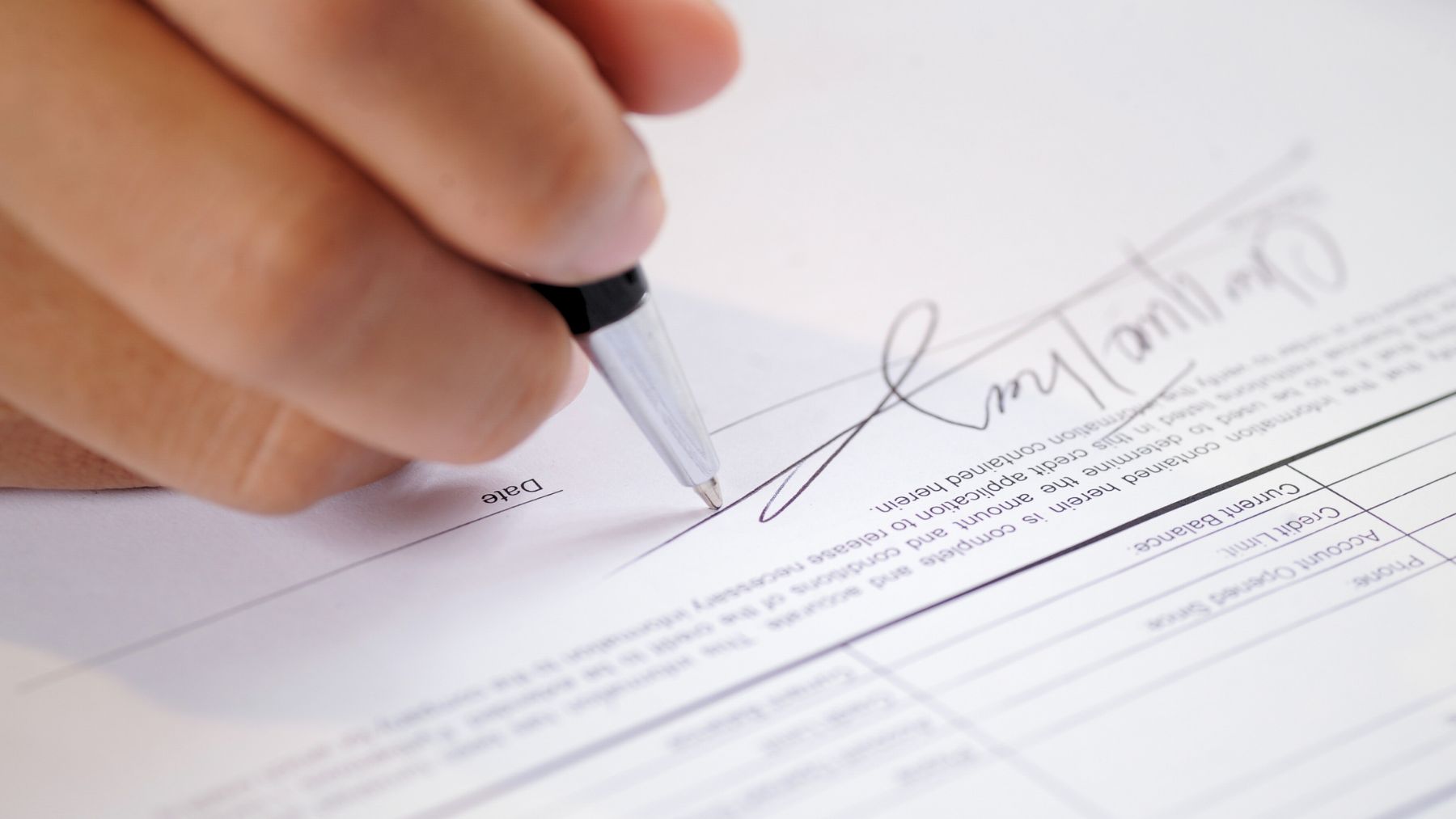
Your signature isn’t just a name on paper, it can be a medium to analyze your personality. Here, we’ll delve into the psychology behind signature underlining. That simple line beneath your signature might reveal deeper traits about who you are.
We’ll explore how this subtle design choice can reflect your need for recognition or self-confidence. These insights might help you understand yourself and those around you a bit better. Let’s get started.
The psychology behind the underlined signature
A is a personal stamp that reflects your identity. When someone chooses to underline their signature, it often points to a desire to stand out. This need to be noticed can be linked to a healthy sense of self or, in some cases, a deeper need for recognition.
An underline can signal that a person values acknowledgment. In many cases, it shows that the signer is confident and proud of their accomplishments. However, when the underline appears too frequently or too heavily, it might hint at the insecurity of a constant need for validation. This dual nature makes the underlined signature a captivating subject for both psychology enthusiasts and everyday people.
Types of underlines and their meanings
There isn’t just one way to underline a signature; there are several styles, and each carries its own message. Let’s look at some common types and what they typically reveal about the signer.
- No underline: If you choose not to underline your signature, you’re likely a non-fussy person. You value simplicity and tend to go with the flow. This straightforward approach can speak to a relaxed nature.
- Single underline: This classic choice shows a balanced need for recognition. People with a single underline usually have a healthy ego. They are confident, optimistic, and creative. They know what they’re doing and enjoy a bit of attention without going overboard. Many successful figures have opted for this style, reflecting both self-assurance and a desire to be noticed.
- Double underline: When you underline your signature twice, the message becomes stronger. This style points to a significant desire to be acknowledged. It can suggest that you like to be credited for your work, a trait that might come off as either ambition or, if overdone, insecurity.
- Multiple underlines (more than two): Adding more than two underlines can indicate an extreme need for recognition. In some cases, this might reflect a lack of self-confidence, where the extra lines are a way to mask insecurities. This style often reveals a person who feels the need to constantly prove their worth.
- Other variations (broken, zig-zag): Variations like broken or zig-zag underlines add complexity to the message. A broken line might suggest inconsistency in self-perception, while a zig-zag underline could indicate a dynamic personality with fluctuating emotions.
The way you choose to underline—or not underline—your signature speaks of your inner self. Understanding these subtle cues can add a fun and insightful layer to how we see one another. Whether you’re a go-with-the-flow type or someone who loves to leave a mark, your signature can be a mark of your story.