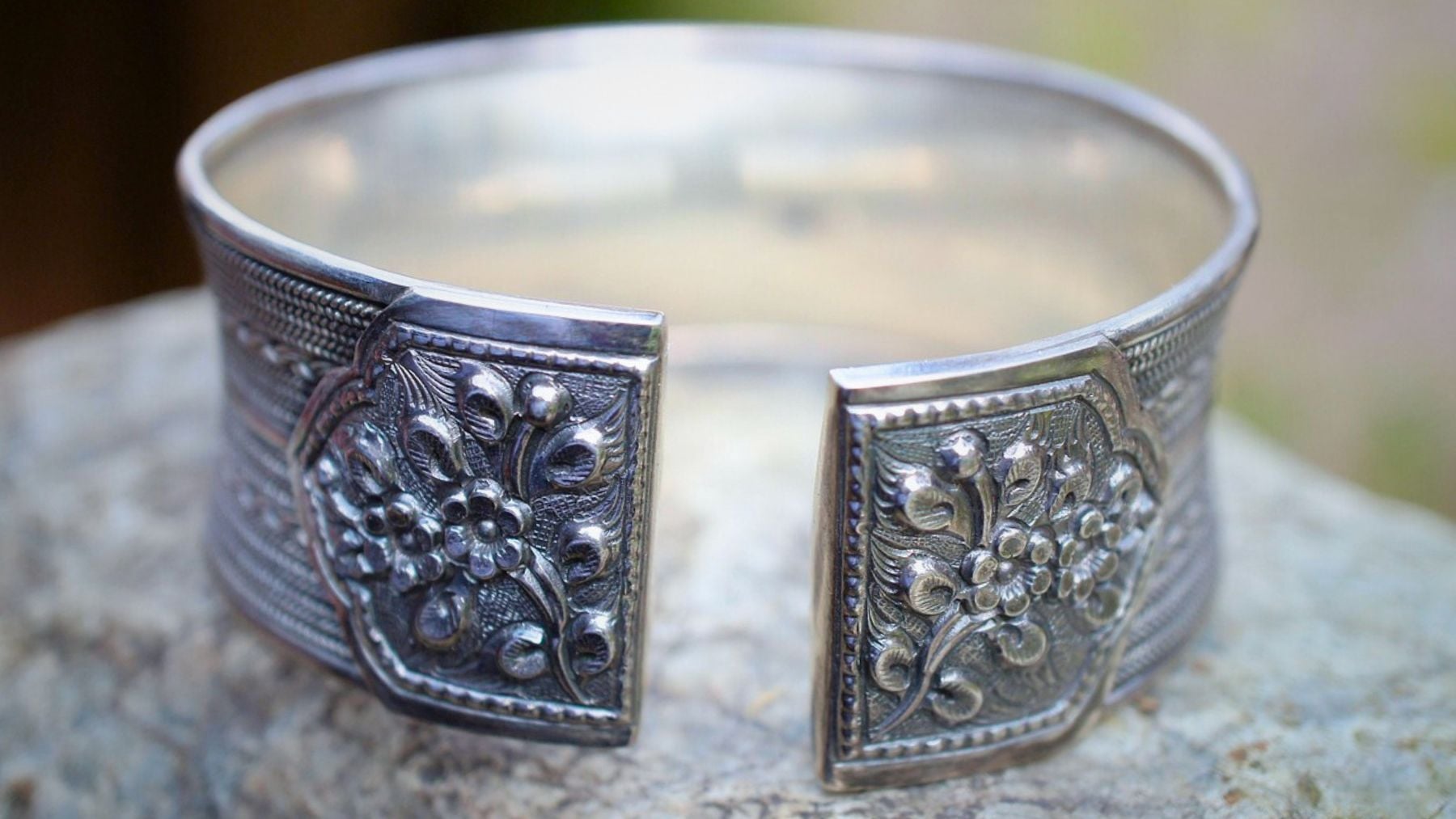
Silver is a color that catches the eye with its elegance and sophistication. From jewelry to high-tech gadgets, it often symbolizes class and innovation. But beyond its physical appeal, silver has a deeper meaning in psychology.
Silver can be grounding yet uplifting, soothing yet motivating. It reflects the energy of the environment and can illuminate paths toward personal growth and change. Its fluid and adaptable nature connects it to the emotional and introspective aspects of our psyche, making it an important color for personal development and transformation. Let’s explore what this color represents, its traits, and its effects on our emotions and behaviors.
The psychological traits of silver
Silver is often linked to illumination and reflection. Like a mirror, it bounces energy—both positive and negative—back to its source. This reflective quality makes it a color of introspection. It helps people pause, think deeply, and gain clarity. Silver’s calming qualities can also soothe the mind, reduce stress, and bring a sense of peace. At the same time, it’s seen as modern and sleek, often associated with technology and innovation.
On a social level, silver represents prestige and sophistication. It’s often linked to wealth and high status, giving it a glamorous and alluring appeal. This makes it a color that resonates with people in positions of power or those who value structure and organization. Its association with high-tech advancements and futuristic visions further solidifies its place as a symbol of progress and modernity.
However, silver also has some negative traits. Its neutrality can sometimes feel cold or distant. In a world of vibrant colors, it might come across as dull or lifeless. It can also be seen as indecisive or non-committal, reflecting a lack of direction or emotional involvement. These traits highlight the importance of balance when using or wearing silver.
The effects of silver on our emotions
Silver’s impact on emotions is multifaceted. Its calming and soothing qualities make it a great color for relaxation and introspection. It promotes patience and can help people process their thoughts and feelings more clearly. People surrounded by silver often feel a sense of stability and protection. At the same time, it inspires intuition and helps clear mental blockages. This makes it an excellent choice for moments of personal growth or decision-making.
On the flip side, too much silver can lead to feelings of melancholy or detachment. Its neutral tone might create a sense of lifelessness or stagnation if not balanced with other colors. This is why silver is often paired with vibrant hues to enhance its reflective and illuminating qualities.
The color silver holds a unique place in psychology, offering a mix of calming, reflective, and sophisticated traits. Whether used in design, fashion, or personal spaces, silver’s versatility makes it both modern and timeless. While it can sometimes feel cold or distant, its ability to illuminate, calm, and reduce stress makes it a powerful color for growth and stability.
Here you can read more about the psychology of the colors pink and orange.