At 3 a.m., after another long stretch staring at the ceiling, few people would think the answer might begin in the gut. Yet a randomized clinical trial in China found that capsules containing microorganisms from screened healthy donors improved several sleep measures in adults with chronic insomnia.
One month after treatment, the group receiving the fecal microbiota protocol had better sleep efficiency and spent less time awake after initially falling asleep.
Patient questionnaires also suggested that improvements lasted from the second through the sixth month, although the findings are still too early to turn this unusual approach into routine insomnia care.
How the trial worked
The multicenter study involved 80 adults diagnosed with chronic insomnia. Researchers randomly assigned 40 participants to a short course of antibiotics followed by donor microbiota capsules, while the remaining 40 received placebo capsules without the antibiotic preparation.
Participants in each main group were also randomly assigned either a synbiotic supplement or a matched placebo. A synbiotic combines beneficial bacteria with ingredients intended to help those bacteria grow, but this extra supplement did not appear to add a meaningful sleep benefit.
The paper describes the trial as randomized, double-blind, and placebo-controlled, methods designed to reduce bias.
Overnight polysomnography recorded brain activity, breathing, and other body signals, giving the researchers an objective view rather than relying only on whether someone felt better the next morning.
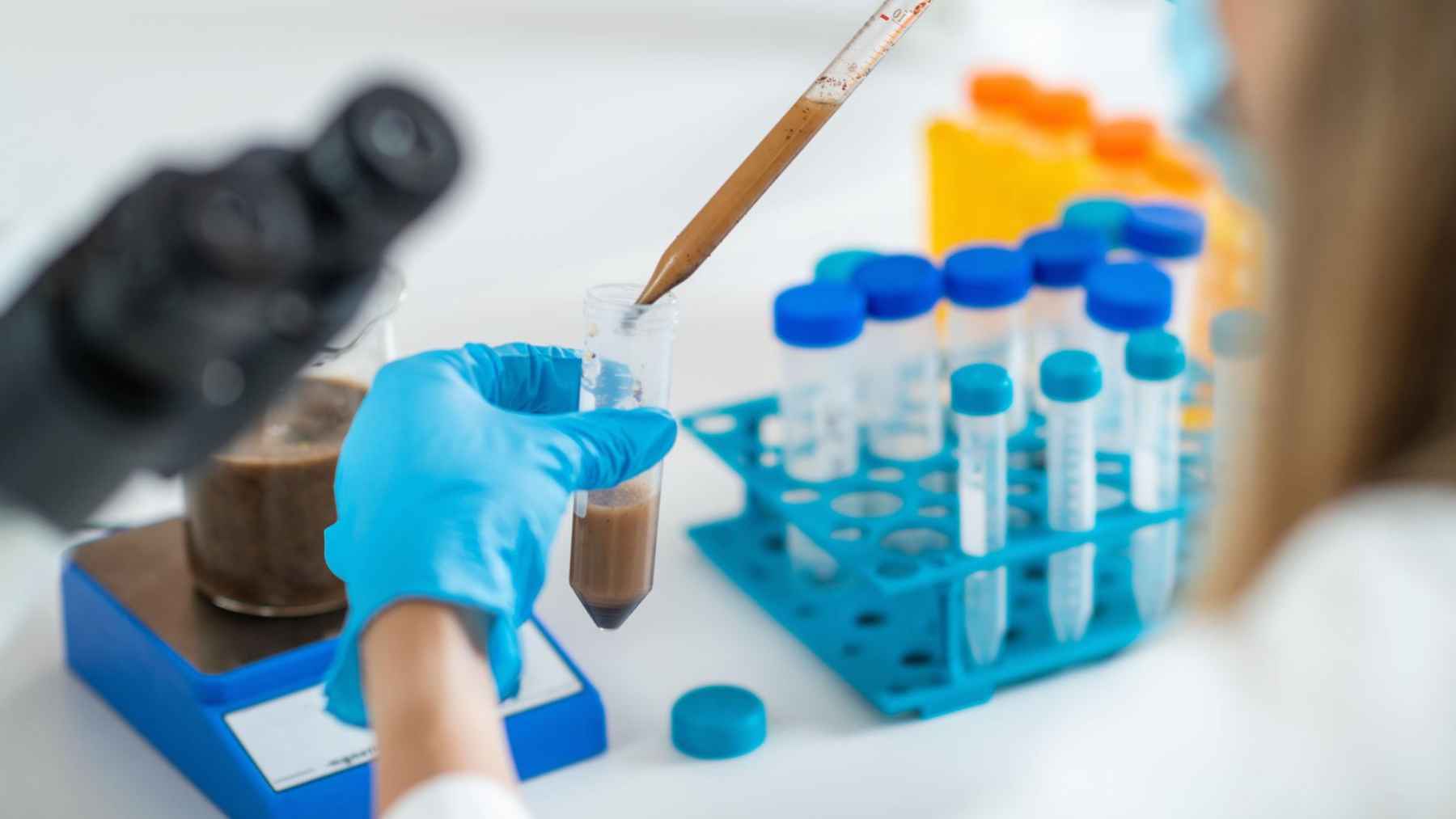
A laboratory researcher prepares a biological sample as scientists study how gut microbes may influence sleep and insomnia.
Sleep efficiency improved
The main outcome was sleep efficiency, which means the percentage of time in bed that a person is actually asleep. At the one-month check, the adjusted difference between the treatment and placebo groups was 13.9 percentage points, and the treatment group also had less wake time after sleep had begun.
That is a meaningful signal, but it does not prove that every participant was cured. Sleep efficiency can improve even when a person still has difficulty falling asleep, feels tired during the day, or experiences occasional bad nights.
Two common questionnaires, the Insomnia Severity Index and Pittsburgh Sleep Quality Index, showed sustained improvement from two to six months. The study also found greater microbial richness and diversity after treatment, while people who responded had different gut microbiota at the start than those who did not.
Why the gut may affect sleep
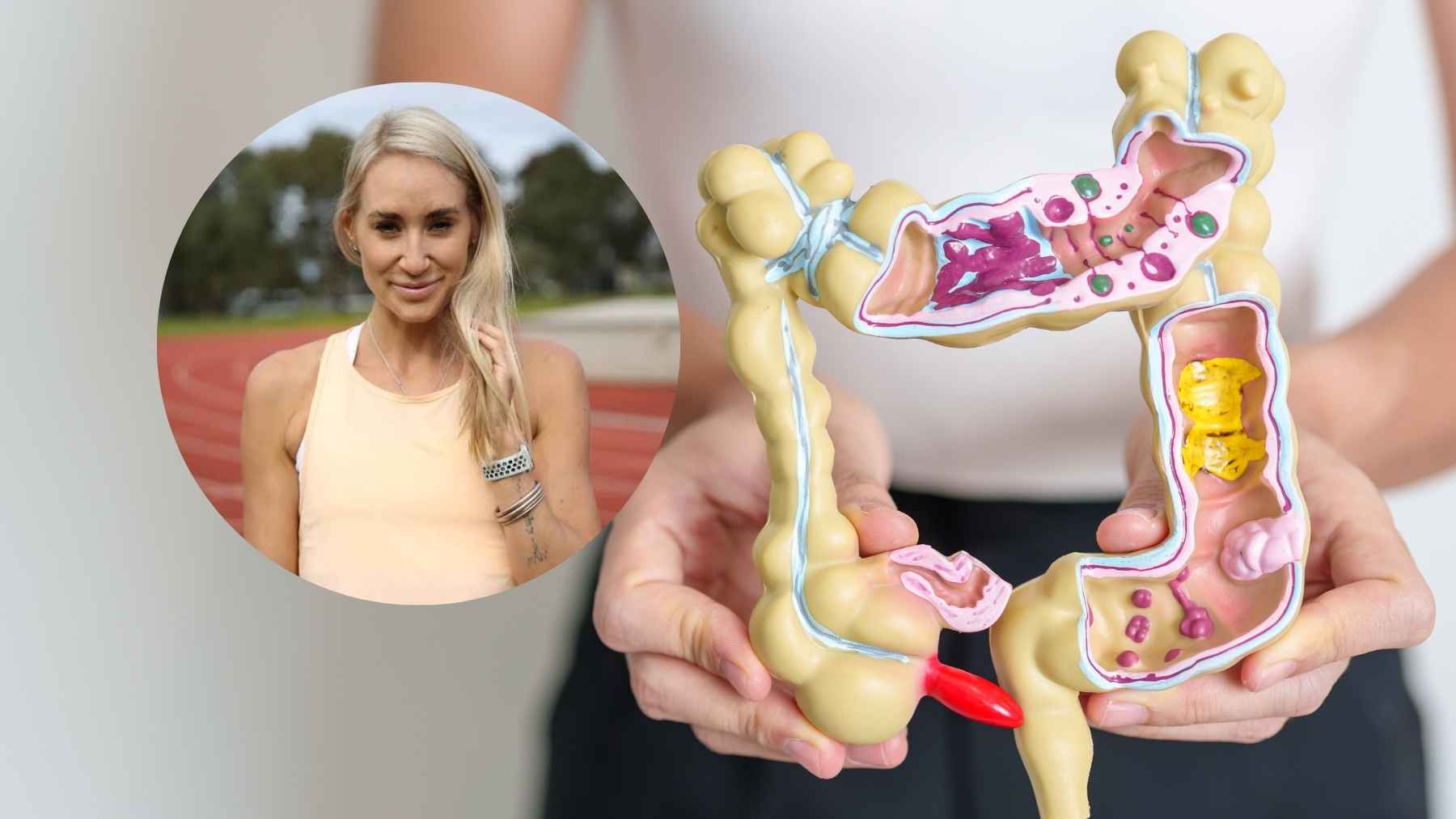
The gut-brain axis is the two-way communication system linking the digestive tract and nervous system. Nerves, hormones, immune signals, and substances produced by gut microbes all take part, which may help explain why stress can upset digestion and why intestinal changes might influence mood or sleep.
“This work also strengthens our understanding of the gut-brain axis as an important regulator of human sleep,” said Yanping Bao, a co-corresponding author from Peking University. Still, the trial does not show exactly which organisms or biological signals produced the sleep changes.
Fecal microbiota transplantation transfers a community of intestinal microorganisms from a carefully screened donor to a patient. In this study, the material was delivered in oral capsules, avoiding more invasive routes such as a colonoscopy or a tube passed through the nose.
Important limits remain
The treatment was generally well tolerated, with mild and short-lived effects such as nausea and a low-grade fever, and no serious adverse events were recorded. Even so, fecal microbiota treatment carries real infection risks when donor screening, preparation, or medical oversight is inadequate.
The trial followed participants for only six months, and polysomnography was performed just once after treatment. It also excluded people with obesity, type-2 diabetes, sleep apnea, and several other conditions often seen alongside insomnia, so the results may not apply to the wider population.
There is another important detail. Because the treatment group received antibiotics and the placebo group did not, the study tested the entire protocol rather than donor capsules in complete isolation.
Future trials may need controls that better separate the effect of antibiotics from the effect of the transplanted microbial community.
Not a first-line treatment
Current clinical guidance recommends cognitive behavioral therapy for insomnia as the first-line treatment for chronic insomnia. That approach helps people change thoughts and habits that keep sleep problems going, and it can be delivered face to face or digitally.
The new findings do not replace that standard. They point instead to a possible future option that would require larger trials, longer objective sleep monitoring, more diverse patients, and a clearer understanding of which microbes or microbial products matter most.
For now, the study offers an intriguing clue. The gut may be one piece of the insomnia puzzle, but fecal microbiota capsules are not a do-it-yourself remedy or a treatment people should seek outside a properly supervised clinical setting.
The full study was published online on July 22, 2026, in the Journal of Internal Medicine.