Alzheimer’s research is moving toward blood tests, earlier diagnosis, and treatments aimed at the biology behind the disease. But neurologist Mercè Boada says one question cannot be pushed aside. What happens to people who are already living with dementia?
The medical director and co-founder of Ace Alzheimer Center Barcelona argues that healthy longevity is not simply about adding years. It also means protecting autonomy, meaningful relationships, and the practical care that lets a person remain part of everyday life.
Early progress can leave patients behind
More than 900,000 people in Spain are living with Alzheimer’s disease, and about 40,000 new cases are diagnosed each year. If current projections hold, the number could exceed 3.6 million by 2050.
That is not a distant issue for families already arranging appointments, home help, or full-time supervision.
Her clinic saw more than 9,300 people during the last year. About 2,800 had mild cognitive impairment, a major focus of current treatment research, while 2,487 had moderate dementia and more than 1,000 had advanced dementia.
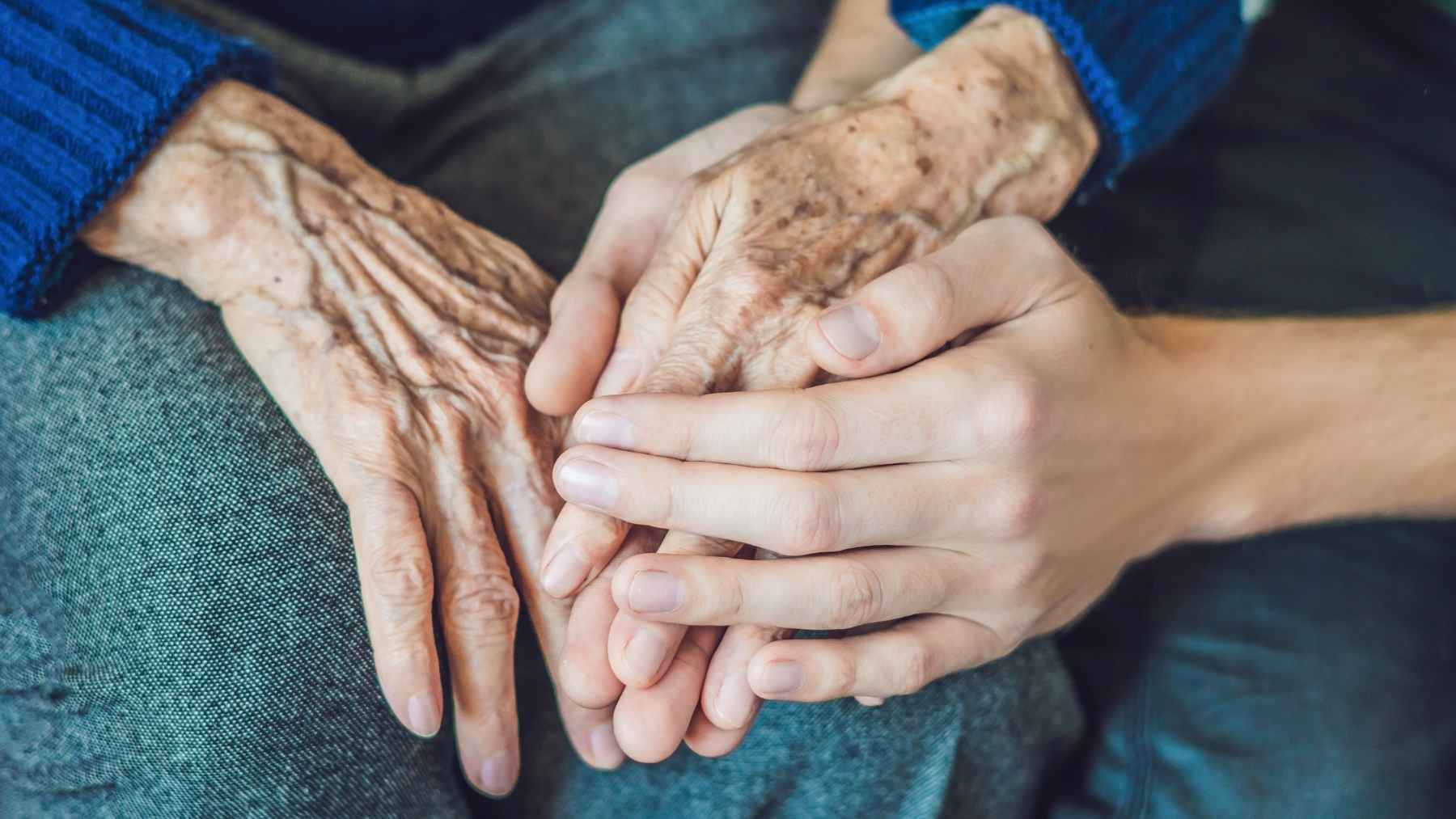
Those later stages often bring behavioral changes, growing dependence, and difficult decisions about day centers, home care, or residential support. The burden still falls largely on relatives, especially daughters, wives, and sisters who may also be working and caring for other family members.
Diagnosis still comes too late
European data cited by Boada indicate that an average of three and a half years passes between a patient’s first complaints and arrival at a specialized unit. That delay can begin with a familiar phrase, “It is normal, you are getting older.”
But memory loss is not an unavoidable part of aging. Better training in primary care and stronger public awareness could help people seek an assessment sooner, rather than waiting until daily life has become much harder.
A finding of mild cognitive impairment also does not mean that normal life suddenly ends. Boada’s advice is simple. Believe the complaint, investigate it, and do not dismiss a concern only because the person is older.
What cognitive reserve really means
Biology matters, but learning, experience, and intellectual activity also build what neurologists call cognitive reserve, the brain’s store of skills and strategies for adapting to change.
Think of it like savings. A person with a large financial cushion can absorb a loss more easily than someone with very little, and the brain may work in a similar way. A larger cognitive reserve gives it more ways to compensate as certain abilities weaken over time.
“Every time we learn, become interested in something new and have a purpose in life, the brain responds by creating new cognitive networks,” Boada said. Retirement may end the morning commute, but it should not mean retiring from curiosity, relationships, or life itself.

Daily habits can keep the mind engaged
Reading matters because it exposes the brain to new meanings, turns of phrase, and different ways of understanding the world. Learning languages, asking questions, developing a hobby, or studying a new subject can also keep attention active. The activity does not have to feel like school.
Sight and hearing checks are easy to overlook, yet both senses help people communicate and stay involved. Social contact matters too, since isolation can narrow a person’s world and make it harder to remain mentally and emotionally engaged.
Exercise should be adapted to the individual, while restorative sleep should be treated as part of health rather than a luxury. A varied, balanced diet also helps, but Boada cautions against turning food into a source of constant anxiety. The aim is to add quality of life, not take it away.
Blood tests could reshape Alzheimer’s care
One major shift has been the move from treating only symptoms toward identifying biological changes linked to Alzheimer’s. Researchers first learned to see beta-amyloid, a protein associated with the disease, through brain imaging.
Later came blood-based biomarkers and monoclonal antibodies designed to target that protein.
Boada expects the next step to be simpler and more accessible testing. She described a future “dry drop” method in which a finger-prick sample placed on a paper strip could be read by a small machine in primary care or even a pharmacy.
For now, that remains a developing approach rather than a routine diagnosis available everywhere.
She also expects treatment to fit more easily into patients’ lives. Data from ordinary clinical care could help doctors refine doses, timing, and duration, while future options may move from hospital infusions toward less frequent injections.
Alzheimer’s care must keep pace with science
Early detection is a major clinical opportunity, but it cannot replace long-term care. Health and social services need to work together so that patients are not left navigating a maze while their relatives carry the practical, emotional, and financial load.
Healthy aging, in this view, is the ability to understand, communicate, enjoy music, cook, read the news, and make decisions about one’s own life. A person may have serious physical limits and still have strong cognitive health. Autonomy is the heart of the matter.
That is the standard Boada believes longer lives should meet. The interview was published by La Vanguardia.