The next big health tracker may not sit on your wrist. Across social media, influencers are turning bowel movements into dashboards, posting stool scores and embracing “fibermaxxing,” the push to maximize fiber intake in the name of better gut health.
Devices such as Dekoda promise to make that monitoring automatic. But digestive specialists warn that a neat graph cannot capture pain, straining, diet, stress, or the uneasy feeling that something is simply not right.
Why poop data is suddenly social
“Maxxing” culture is built around improving one part of life as much as possible, whether that means appearance, sleep, exercise, or food.
Fibermaxxing applies the same mindset to the gut, with fiber becoming the new protein among creators who discuss the microbiome, the community of microbes living in the digestive system.
The bathroom has now joined the feed, with posts tagged with phrases such as “hot girls have IBS” turning irritable bowel syndrome into relatable content. Some creators even film colonoscopy visits with the drama of a beauty treatment reveal.
How did something so private become public? Health data became content, and stool was the next frontier.
How the smart toilet works
Dekoda attaches to a toilet and uses optical sensors, including a light-based method called spectroscopy, to study what lands in the bowl. It tracks patterns linked to hydration, bowel movement frequency, stool shape and consistency, and the possible presence of blood, then sends the results to a companion app.
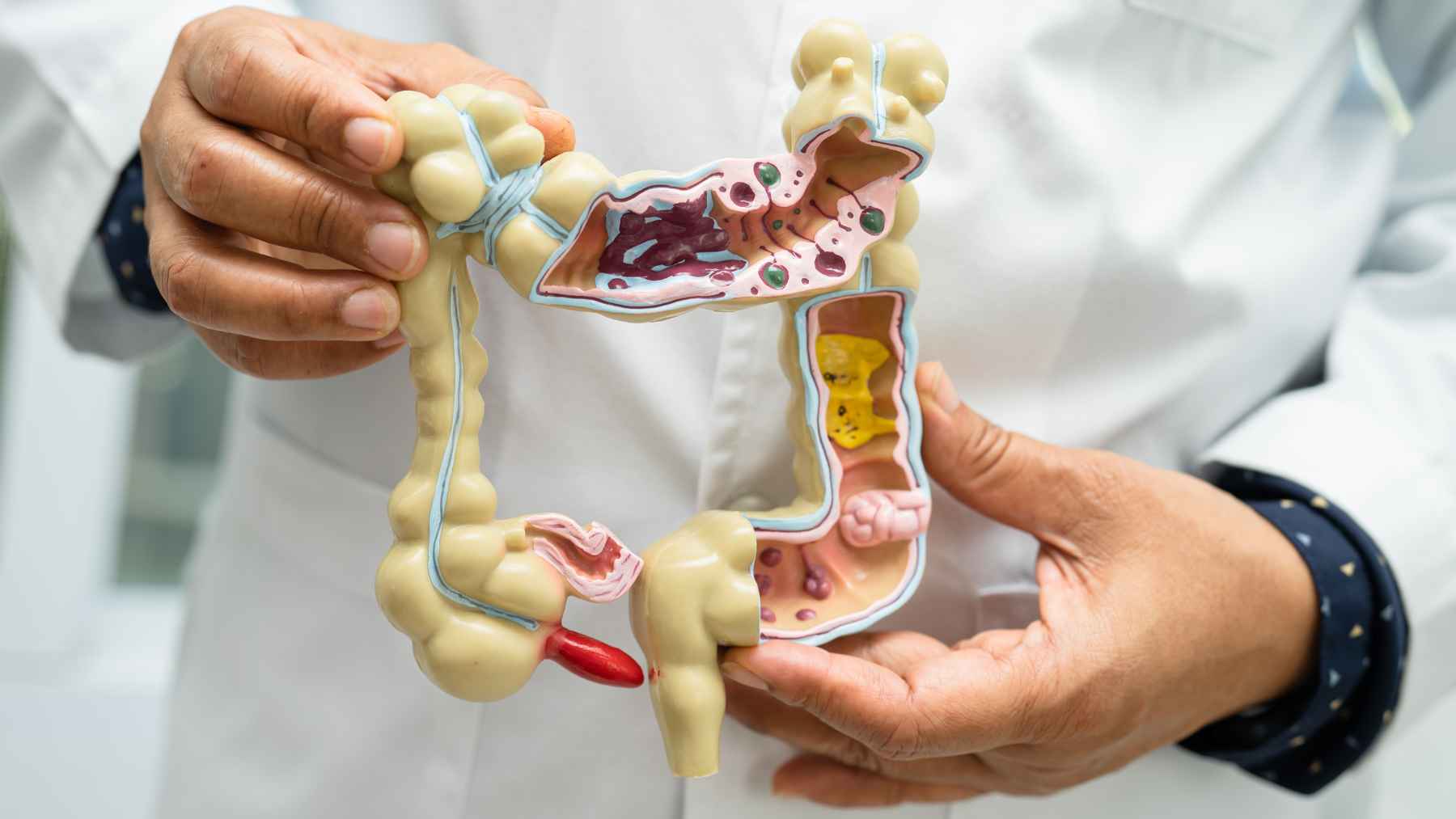
The device is currently listed at $449, and app access requires a paid membership. Another product, Throne, clips onto a toilet and uses image-reading software and sound analysis to monitor gut health, hydration, and urinary function. The toilet is being pitched as the next wearable.
What the numbers can miss
Dr. Karina Cuiñas, author of “Tripas en acción,” says stool consistency can offer useful clues and rectal bleeding should never be ignored. “Constipation is not just having hard stools,” she says.
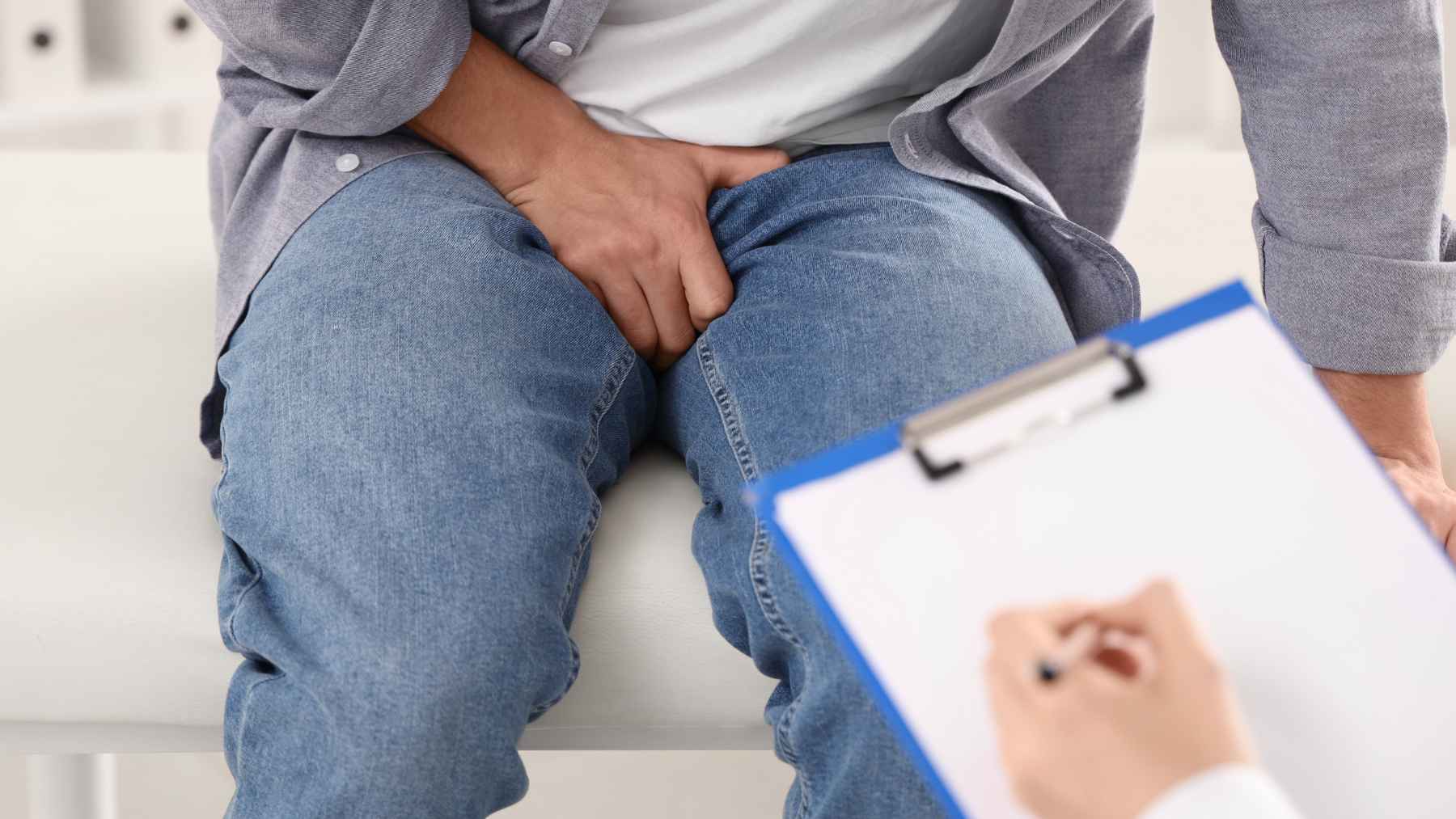
Bowel health also involves how long a person sits on the toilet, how hard they strain, whether passing stool hurts, and whether they feel completely emptied afterward.
That distinction matters because constipation is not limited to hard stools or infrequent bathroom trips.
The National Institute of Diabetes and Digestive and Kidney Diseases also lists painful or difficult bowel movements and the feeling that stool remains behind, meaning someone can go every day and still have a problem.
She also warns that constant tracking may increase hypervigilance, or relentless checking for symptoms, especially among people already worried about digestion.
A device may report an “optimal” stool while every visit feels miserable, or assign importance to stool volume without knowing what the person ate. More data does not always mean more understanding.
When a change really matters
Dr. Malena García Arredondo, founder and director of MGA Healthy Digest, says most healthy people can spot the changes that deserve attention without buying a sensor.
“The human eye can detect the changes that really matter,” she says. Blood, black stool, unusually pale stool, persistent diarrhea, ongoing constipation, or a major shift in bowel habits should lead to a medical conversation.
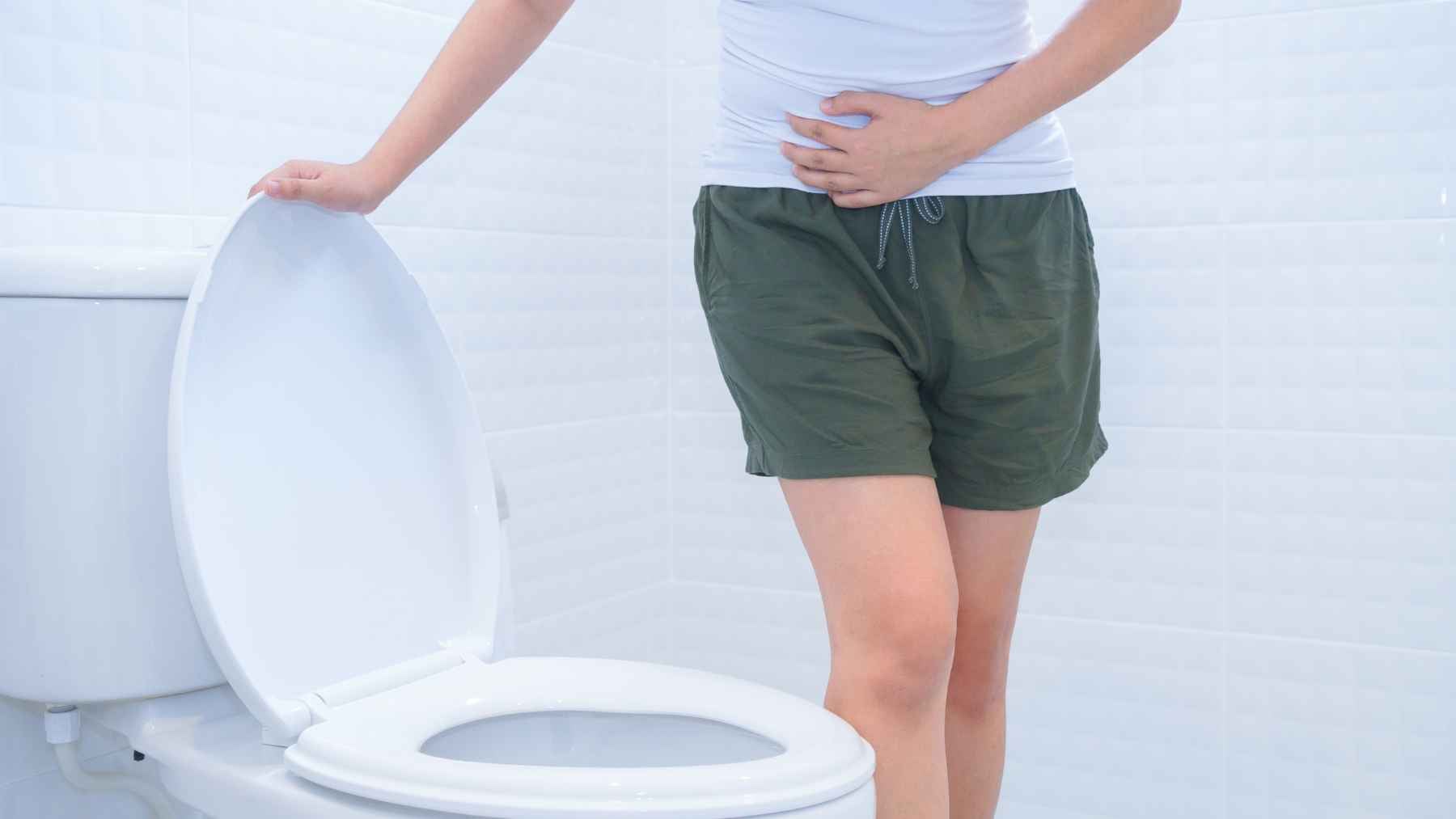
Federal health guidance also advises seeking care for blood in the stool, rectal bleeding, constant abdominal pain, vomiting, fever, or unexplained weight loss alongside constipation.
A bowel log can help a doctor, but it works best when it records symptoms, habits, diet, medications, and activity rather than a single score.
Kash Kapadia, chief executive of the company behind Dekoda, draws a clear line. “It is a wellness product, not a diagnostic tool,” he says. That boundary is easy to miss when an app uses artificial intelligence and polished charts.
Back to the basics
The growing interest in fiber, fermented foods, exercise, and the gut microbiome could have real preventive value. But the experts’ message is less glamorous than a new gadget, with more plant-based foods, regular movement, stress management, enough sleep, and professional help when symptoms persist.
For people with irritable bowel syndrome, federal guidance says treatment may include dietary changes, more fiber in some cases, physical activity, better sleep, and reducing stressful situations. The right plan varies from person to person, which is exactly why a universal “perfect poop” score can be misleading.
The most useful bathroom habit may still be simple awareness rather than daily surveillance. Look, notice meaningful changes, and then move on with your life.
Product information about Dekoda has been published by Kohler Health.