Blood sugar may seem far removed from memory. Yet a growing body of research suggests diabetes and dementia are connected through insulin resistance, injured blood vessels, inflammation, and the brain’s heavy demand for fuel.
Craig Beall and Natasha MacDonald of the University of Exeter brought ten evidence-based connections together in a recent expert analysis. The clearest signal is a roughly 60% higher dementia risk in people with diabetes, while possible brain benefits from diabetes drugs remain uncertain.
1. Diabetes raises dementia risk
A 2024 meta-analysis covering more than 10 million people found that diabetes was associated with a 59% higher risk of dementia. An individual’s risk still depends on age, genes, heart health, and many other factors.
Repeated hypoglycemia, the medical term for dangerously low blood sugar, was linked to a 56% higher dementia risk. Severe episodes can deprive the brain of fuel, so preventing sharp highs and lows matters.
2. Insulin resistance reaches the brain
Insulin works like a key that helps cells use glucose for energy. In type-2 diabetes, cells stop responding properly, leaving more sugar circulating in the bloodstream.
The same problem can occur in the brain. A human brain tissue study found weaker insulin signaling in Alzheimer’s disease, and that resistance was tied to poorer memory and thinking.
3. Dementia creates an energy squeeze
The brain accounts for only about 2% of body weight, yet it uses roughly 20% of the body’s energy. In dementia, brain cells appear to become less efficient at turning glucose into usable fuel.
Think of a kitchen full of groceries but with a stove that will not light. Researchers sometimes call this pattern “type-3 diabetes”, but that is an unofficial research term, not a medical diagnosis.

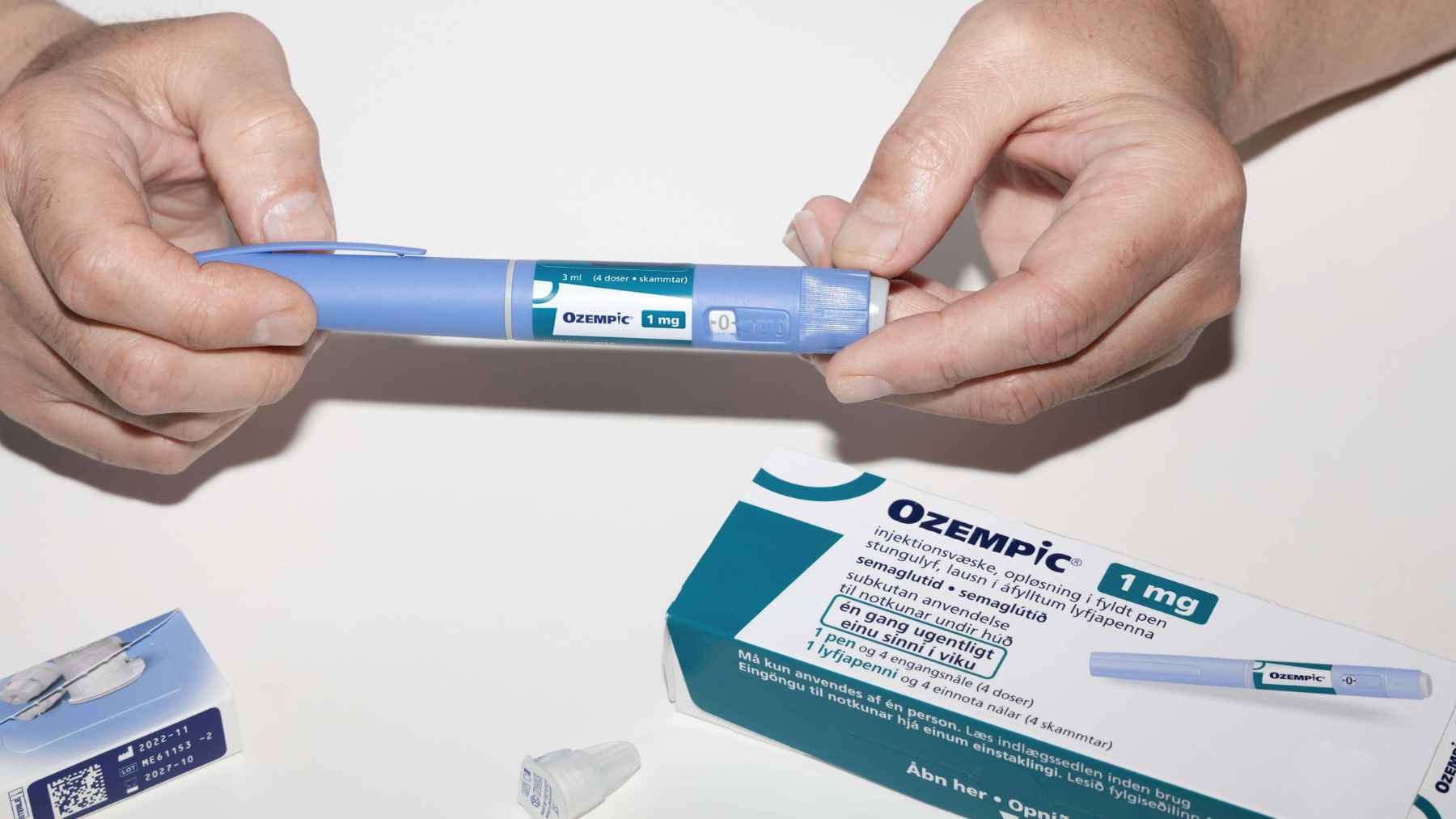
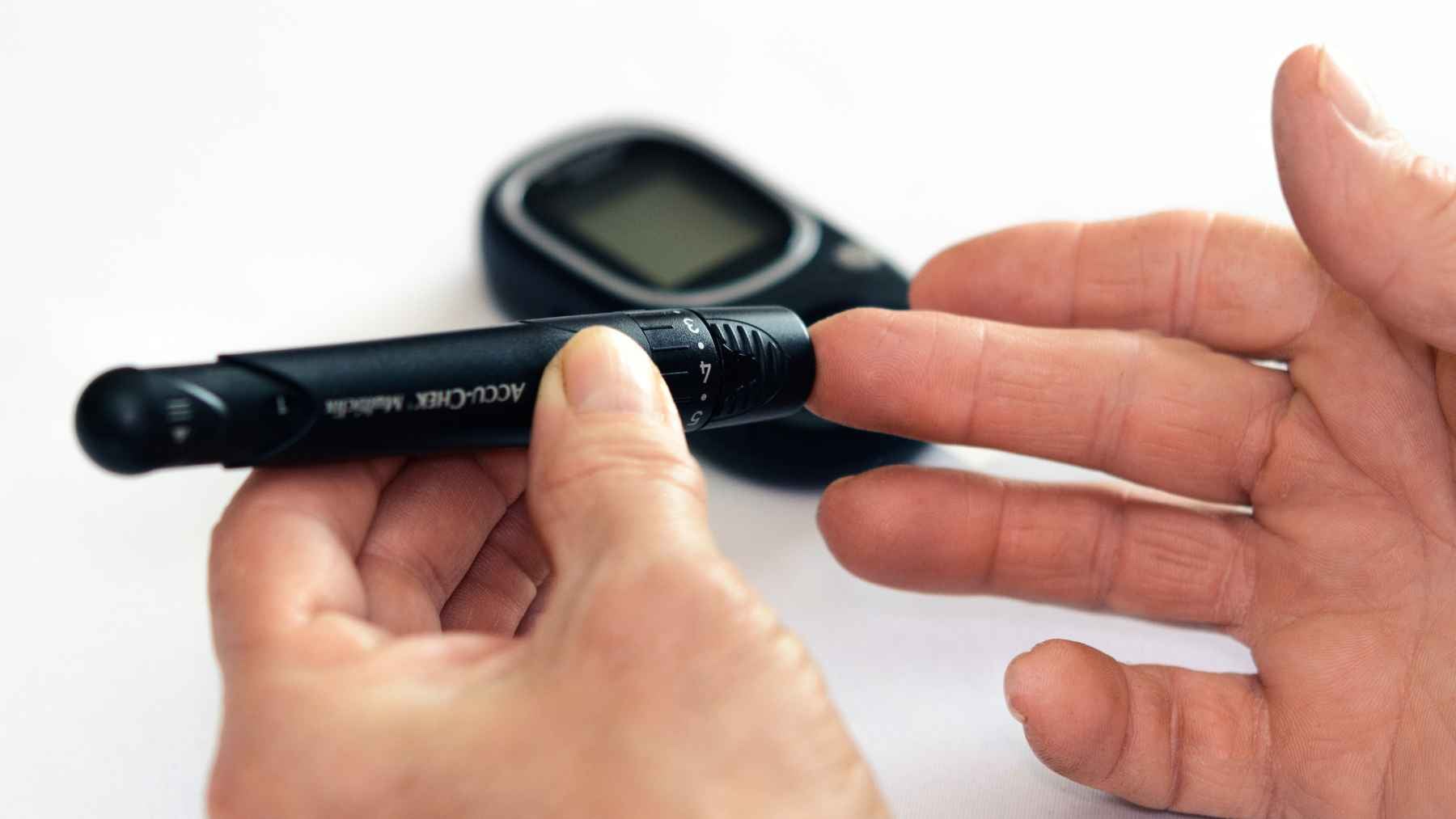
Diabetes testing and treatment tools are shown alongside a diagnosis form as researchers investigate the growing connection between blood sugar control and dementia risk.
4. The link may run both ways
People with Alzheimer’s disease often show higher fasting blood sugar even without diagnosed diabetes. Animal experiments also suggest that Alzheimer’s-like changes in the brain can push glucose levels upward.
One possible player is APOE4, the strongest common genetic risk factor for late-onset Alzheimer’s. Laboratory research suggests it can trap insulin receptors inside cells, but this does not prove that Alzheimer’s directly causes diabetes in people.
5. Blood vessels connect the diseases
High or unstable blood sugar can damage the tiny vessels that supply the brain with oxygen. Over time, that injury may raise the chances of stroke and vascular dementia, a condition tied to reduced blood flow in the brain.
Diabetes may also weaken the blood-brain barrier, the brain’s security gate. When that barrier leaks, harmful substances can enter more easily and inflammation may follow.
6. A diabetes failure became a dementia drug
Memantine was first investigated as a diabetes treatment, but it did not control blood sugar well enough. A historical review describes how researchers later found that it could ease symptoms in some people with moderate to severe Alzheimer’s disease.
The drug helps regulate glutamate, a chemical messenger that can damage brain cells when its activity becomes excessive. It does not cure Alzheimer’s or stop the disease, but a failed idea found a second life.
7. Metformin offers a clue
Metformin is one of the most widely used type-2 diabetes drugs. Researchers are studying whether its effects on inflammation and aging-related pathways could also help protect brain health.
In a study of more than 41,000 users, people who stopped metformin early for reasons unrelated to kidney problems had a 21% higher rate of dementia diagnosis than people who continued taking it. That was an association, not proof that stopping the drug caused dementia.
8. GLP-1 drugs bring mixed news
GLP-1 medicines such as semaglutide lower blood sugar and appetite, and a health-record analysis linked their use to fewer dementia diagnoses. These drugs may influence inflammation, insulin signaling, and blood vessel health.
The large Evoke and Evoke Plus trials delivered a reality check, though. Among 3,808 adults with early Alzheimer’s disease, oral semaglutide did not slow the loss of memory and daily function compared with an inactive placebo.
Prevention may still be a different question. On July 13, 2026, Maria C. Carrillo of the Alzheimer’s Association said a new trial aims to “better understand how to meaningfully reduce the risk of cognitive decline before symptoms begin.”
9. Insulin sprays target the brain
Researchers have tested insulin delivered through the nose, a route intended to carry the hormone toward the brain while limiting its effects on blood sugar elsewhere. Small trials have reported possible benefits for memory or reduced brain shrinkage.
The method is not ready for routine care. Different devices deliver different amounts, and scientists still need clearer evidence about long-term safety and who might benefit.
10. SGLT2 drugs may protect memory
SGLT2 inhibitors lower blood sugar by helping the kidneys remove glucose through urine. Observational studies have linked them to lower rates of Alzheimer’s disease and vascular dementia compared with several other diabetes treatments.
Are they better for the brain than GLP-1 drugs? One 2025 study favored SGLT2 inhibitors, while the separate JAMA Neurology analysis found no meaningful difference between the two classes. No one should switch diabetes medication for dementia prevention without speaking with a clinician.
The original expert analysis was published by The Conversation.