Most advice about living longer sounds familiar. Eat well, stay active, sleep enough, and keep close relationships–but could curiosity be another piece of the healthy aging puzzle?
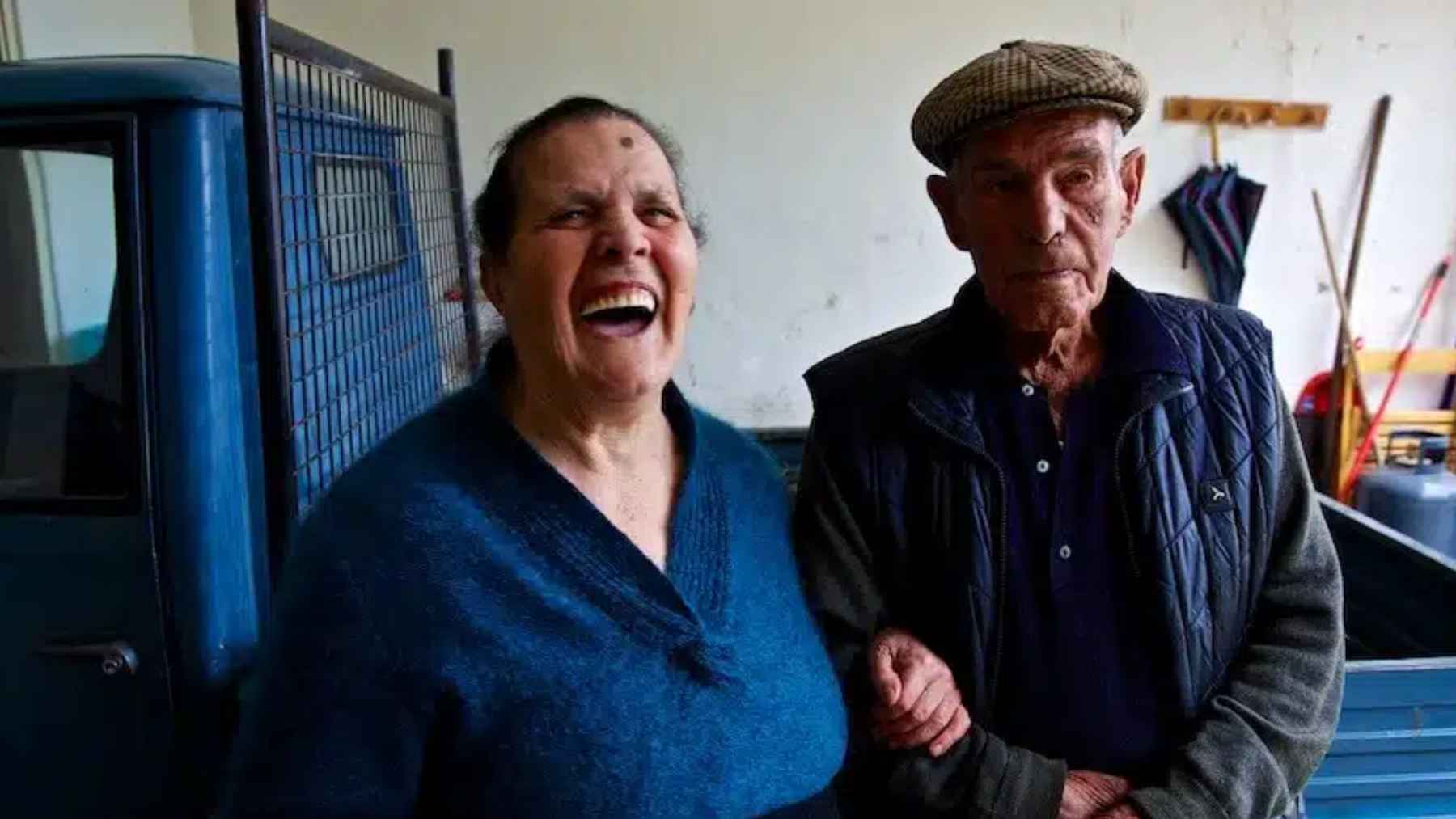
A new study of older adults in Sardinia found that “openness to experience” stood out in a community known for exceptional longevity. The finding does not prove that an open mind adds years to life, but it suggests personality may help shape the daily habits that keep people mentally and socially engaged.
Openness was the key difference
Openness to experience is one of the ‘Big Five’ personality traits used by psychologists. In everyday language, it describes curiosity, interest in new ideas, appreciation of learning, and a willingness to try unfamiliar activities.
That does not mean someone must travel the world or constantly chase novelty. It can be as simple as picking up a new book, learning a skill, joining a group, or changing an old routine when life demands it.
Among the five traits measured, openness was the only one that was significantly higher in the Sardinian Blue Zone group than in older adults from a nearby rural community. The Blue Zone residents also reported stronger coping skills, better emotional awareness, and more involvement in activities that exercised the mind or body.
Inside the Sardinian study
Psychologist Maria Chiara Fastame led the work with Benedetta Brandas, Corinne Martis, and Sofia Alessia Valenzuela Pusceddu at the University of Cagliari. The team studied 125 adults between ages 71 and 101, with an average age of about 80.
Fifty-five participants lived in Sardinia’s Blue Zone, a region where unusual longevity has been documented. The other 70 came from a neighboring rural area with a broadly similar culture, economic background, and access to Italy’s public health system.
Researchers visited participants at home for interviews and tests lasting about 50 minutes. The session covered memory, psychological well-being, leisure activities, health-related quality of life, and all five major personality traits. The health score included mobility, self-care, pain, usual activities, anxiety, and depression.
Curiosity showed up in daily life
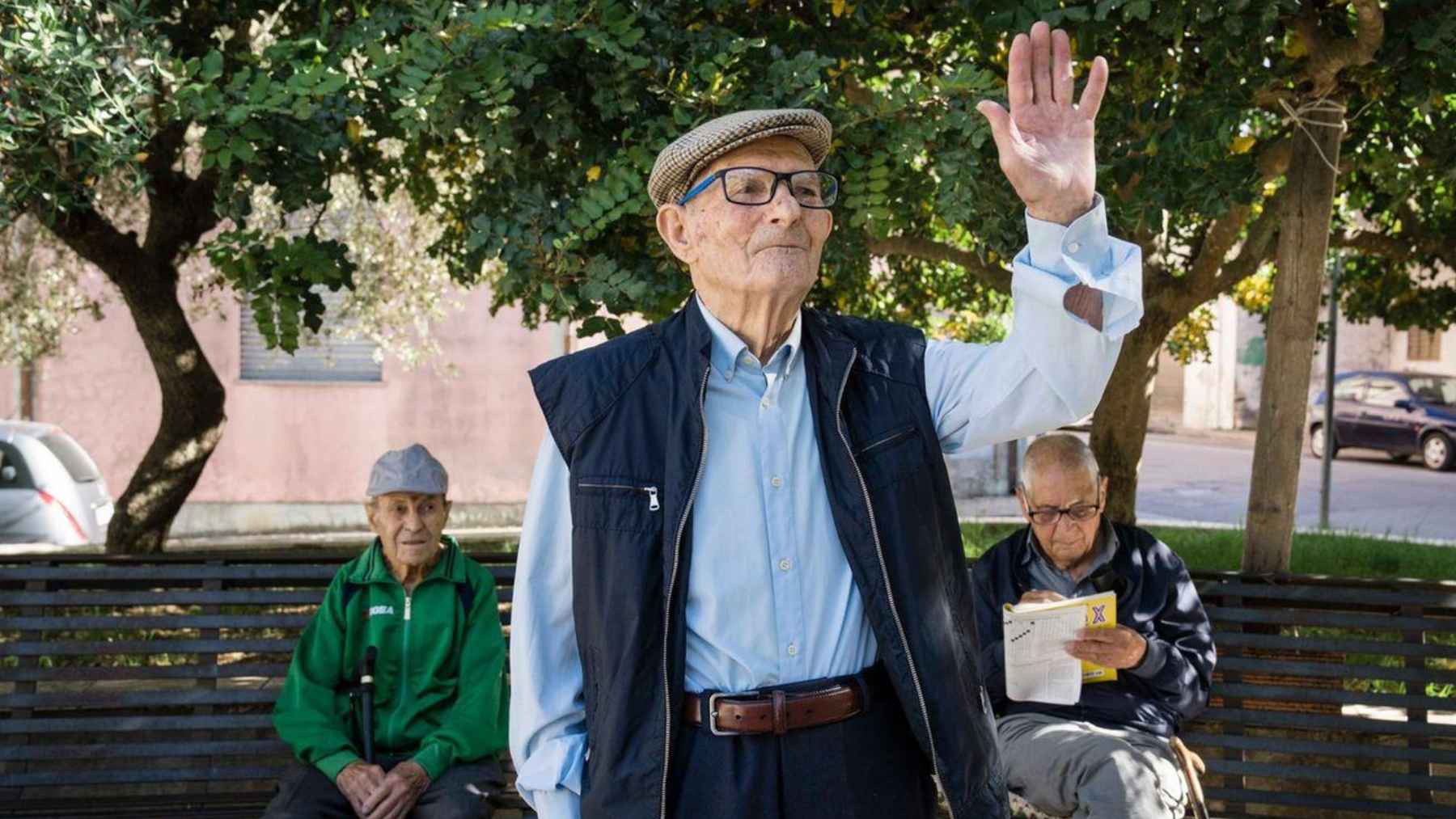
The most striking practical difference appeared in free time. Blue Zone participants reported about 11 hours a week of hobbies and stimulating activities, compared with just seven hours for the neighboring group.
That gap adds up to roughly four-and-a-half extra hours each week. Think of the difference between an evening spent reading, joining a group, playing a sport, or working on a hobby and one that slips by without much mental or physical engagement.
After accounting for age and education, people who scored higher in openness also tended to report better psychological well-being and more time devoted to hobbies. The researchers suggest personality may work indirectly, nudging people toward experiences that keep them active, connected, and better able to handle change.
Other traits mattered, too
Openness was not the only personality factor connected with aging well. More conscientious participants, meaning those who tended to be organized and responsible, reported stronger well-being and coping, while more agreeable people reported greater life satisfaction.
Neuroticism showed a different pattern. People more prone to worry, distress, and negative emotions tended to rate their health-related quality of life lower, though the Blue Zone and comparison groups did not differ greatly on that trait.
Earlier research points in a similar direction. An earlier Georgia Centenarian Study involving 306 people in their 80s and 100s linked several adaptive personality traits with cognition, volunteering, daily functioning, and perceived health, while earlier Sardinian work connected resilience and strong social ties with mental well-being.
Personality is not a longevity pill
There is an important catch, however. The Sardinian research was a snapshot taken at one point in time, so it cannot show whether openness caused better aging or whether healthier, more active people simply remained more open.
The sample was also small and limited to relatively independent adults in rural communities. Participants reported much of the information themselves, and the brief personality test used only two questions for each major trait.
The study was not made up entirely of centenarians either. Its oldest participant was 101, which means the results describe older adults living in a longevity region rather than proving that all people who reach 100 share the same personality.
What the finding may mean
The research does not offer a treatment or a guaranteed recipe for a longer life. Still, the behaviors linked with openness are familiar and practical, including learning something new, keeping friendships active, trying an appropriate activity, or finding a fresh way to deal with an old problem.
At the end of the day, the study’s most useful idea is not that curiosity guarantees a long life. It is that an open attitude may act like a doorway, making it easier to stay involved with people, ideas, and activities as the years pass. That is a more realistic lesson, and perhaps a more useful one.
The official study was published on July 3, 2026, in the International Journal of Applied Positive Psychology.