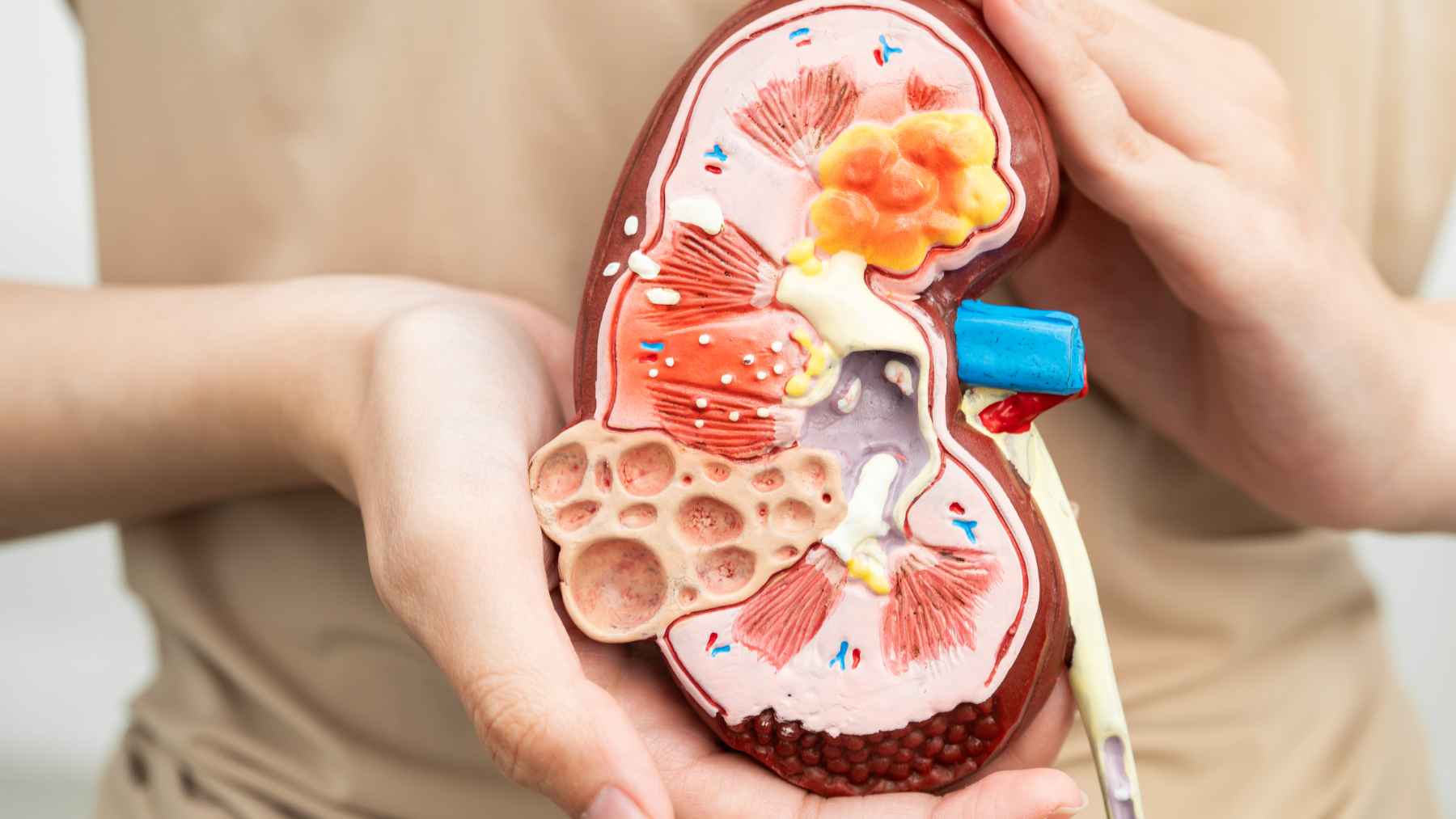
Kidney cancer can arrive quietly, with no dramatic warning sign and no clear pain telling someone that something is wrong. For many patients, the first shock comes during a scan or test done for another reason, and suddenly an ordinary day turns into a life-changing diagnosis.
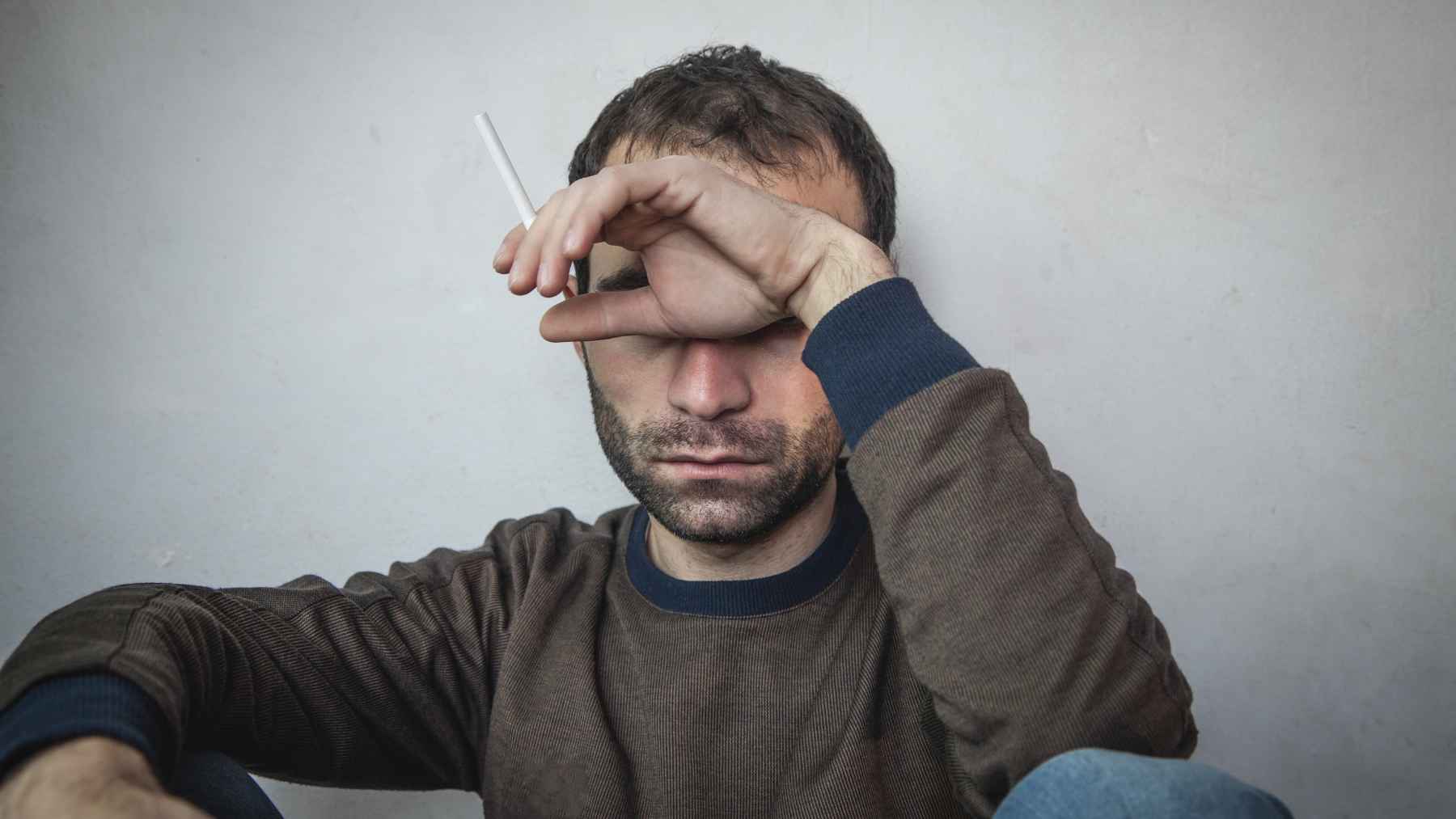
That is why World Kidney Cancer Day 2026 focused on “Kidney Cancer and Emotional Wellbeing.” The message is simple but often overlooked. Treating kidney cancer means treating the person, not just the tumor.
A silent diagnosis
Kidney cancer is not rare. World Cancer Research Fund data show about 434,840 new cases worldwide in 2022, making it one of the more common cancers globally and the 10th most common cancer in men.
In the United States, federal cancer estimates list about 80,450 new kidney and renal pelvis cancer cases expected in 2026. Those numbers matter because early kidney cancer often does not cause symptoms, which means many people first learn about it by accident.
Why the shock is so heavy
What makes this cancer emotionally difficult? Part of it is the silence. A person may feel mostly fine, go in for an unrelated test, and leave with words they never expected to hear.
Dr. Arun R. Warrier, a senior consultant in medical oncology at Aster Medcity in Kochi, has stressed that patient empowerment and emotional care should be part of kidney cancer treatment. In practical terms, that means patients need clear information, space to ask questions, and support when fear takes over.
The International Kidney Cancer Coalition says results from its 2025 Global Patient Survey found that 85% of kidney cancer patients experience emotional challenges. Many never bring those struggles up with their care team, which is exactly the gap this year’s awareness campaign is trying to close.
Symptoms people may miss
Kidney cancer does not usually cause symptoms at first. When signs do appear, they can include blood in the urine, pain in the side or back that does not go away, loss of appetite, tiredness, and unexplained weight loss.
That does not mean every backache or strange day of fatigue is cancer. Still, blood in the urine, pain below the ribs, sudden weight loss, or ongoing exhaustion should not be brushed aside. A visit to a urologist or oncologist can help sort out what is really happening.
Treatment is no longer one path
The treatment plan depends on the stage of the cancer, the person’s health, and what the care team finds during testing. For some patients, surgery may remove part or all of the affected kidney.
Other patients may receive targeted therapy or immunotherapy. Targeted therapy uses drugs that attack specific features of cancer cells, while immunotherapy helps the immune system recognize and fight cancer.
It sounds technical, but the idea is familiar enough. Doctors are trying to choose the tool that best fits the disease, not force every patient into the same plan.

A healthcare professional performs a kidney ultrasound, as World Kidney Cancer Day 2026 highlights the need for both early diagnosis and emotional support for patients.
Questions can give patients power
A cancer diagnosis can make people freeze. But questions are not a nuisance in the exam room. They are part of the treatment.
Patients can ask what stage the cancer is, what treatment choices are available, what side effects to expect, and how success will be measured. They can also ask who to call when anxiety, sleep problems, or fear start getting in the way of daily life.
Emotional care is medical care
Cancer treatment affects the body, but it also affects sleep, appetite, relationships, work, and the ability to make decisions. The National Cancer Institute advises patients who are worried about stress to ask their doctor about counseling, support groups, stress-management classes, or other forms of help.
This is where psycho-oncology can help. It is a field that focuses on the emotional and mental health needs of people with cancer. In plain language, it gives patients a place to talk about fear, sadness, anger, and uncertainty without pretending everything is fine.
Families matter here too. Listening without rushing to fix everything can be a real form of care. Survivor groups can also help because hearing from someone who has already walked the road can make the next step feel less lonely.
A fight that starts early
Kidney cancer is not the end of life for many patients. Medical care has moved forward, and treatments can cure some cases or help control the disease for others. But physical care and emotional care should move together.
On June 18, 2026, World Kidney Cancer Day put that point in the spotlight. The diagnosis may begin in a scan, but the recovery journey often begins with information, support, and the confidence to speak up.
The official World Kidney Cancer Day 2026 campaign has been published by the International Kidney Cancer Coalition.