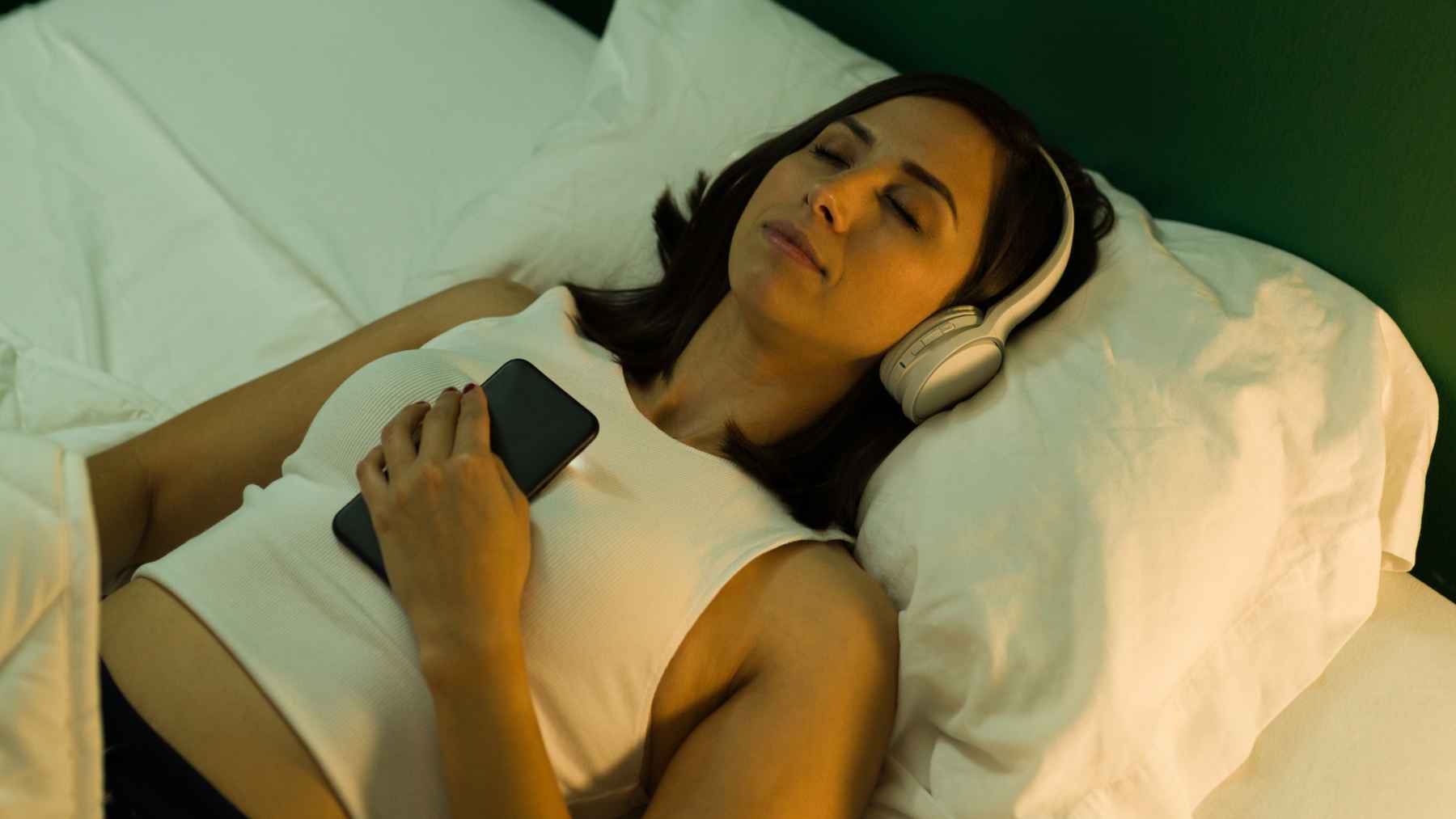
A quiet playlist at bedtime may sound too simple to matter. But for many older adults who spend the night turning from side to side, the right kind of music can become a useful sleep cue.
The idea is not that sleep music cures insomnia overnight. Research suggests that soft, slow music may help some adults relax before bed, especially when the routine is followed for several weeks.
Adults generally need at least seven hours of sleep, while people aged 65 and older are advised to get about seven to eight hours each night, according to the Center for Disease Control and Prevention (CDC).
A routine, not a trick
In practical terms, sleep music means gentle audio chosen to calm the mind. That can include instrumental music, soft melodies, rain sounds, ocean waves, or other natural sounds that feel steady rather than exciting.
That detail matters. A dance track, a dramatic movie song, or a playlist with lyrics that pull your attention may keep the brain busy when it should be winding down.
Kottayam-based counseling psychologist Shafeena Ibrahim describes the effect simply, saying calm music can let “relief flow into the mind” and help reduce racing thoughts.
What studies found
A 2021 review led by Chia Te Chen and colleagues at National Cheng Kung University looked at randomized trials involving adults aged 60 and older.
The team found that older adults who listened to music reported better sleep quality than those who did not, with the strongest results linked to sedative music used for at least four weeks.
Newer research points in the same direction, but with caution. A 2025 PLOS One review of 10 studies involving 602 older adults found evidence that music therapy may improve sleep quality, while also noting that results varied across different groups and study designs.
Why gentle sound may help
Why would music help someone sleep? One reason may be distraction. A soft, predictable sound can give the mind something harmless to follow instead of replaying worries, bills, family problems, or tomorrow’s tasks.
Another reason is the body’s relaxation response. Slow music may help breathing feel steadier and the heart rate settle, at least for some listeners. A review in Sleep Medicine described several possible pathways, including relaxation, distraction, masking unwanted noise, and building a stronger mental link between bedtime and sleep.
Picking the right sleep music
The best choice is usually simple. Try soft instrumental music, piano, flute, violin, veena, low-volume ambient sound, or recordings of rain and waves. Keep the volume low enough that it fades into the room instead of becoming the main event.
Binaural beats are another option found in some sleep playlists. They use slightly different tones in each ear, usually through headphones, to create a particular listening effect.
The evidence is still mixed, as one randomized trial found that binaural beats with music did not clearly improve sleep more than music alone.
Make the bedroom part of it
Sleep music works best when it is part of sleep hygiene, which means the habits that prepare the body for rest. Going to bed and waking up at the same time, keeping the room quiet and cool, avoiding caffeine late in the day, and turning off electronic devices before bed can all help.
That last part can be tricky if the music is playing from a phone. Set the playlist first, dim the screen, use a sleep timer, and avoid scrolling once you are in bed. Bright screens close to bedtime can make it harder to fall asleep, especially for people already struggling with rest.
When music is not enough
There is a real limit here. If someone has severe insomnia, loud snoring, breathing pauses, leg discomfort, depression, anxiety, pain, or frequent nighttime urination, music should not replace medical advice. Those problems may point to a sleep disorder or another health issue.
For long-term insomnia, the National Heart, Lung, and Blood Institute says cognitive behavioral therapy for insomnia is usually recommended as the first treatment option. Music can still be a gentle bedtime tool, but it works best as support, not as a substitute for care when sleep problems persist.
The main study has been published in the Journal of the American Geriatrics Society.