Walking may be one of the simplest health habits for people over 60, but simple does not mean weak. A daily walk can help the heart, legs, joints, sleep, and mood, even when it does not come close to the famous 10,000-step target.
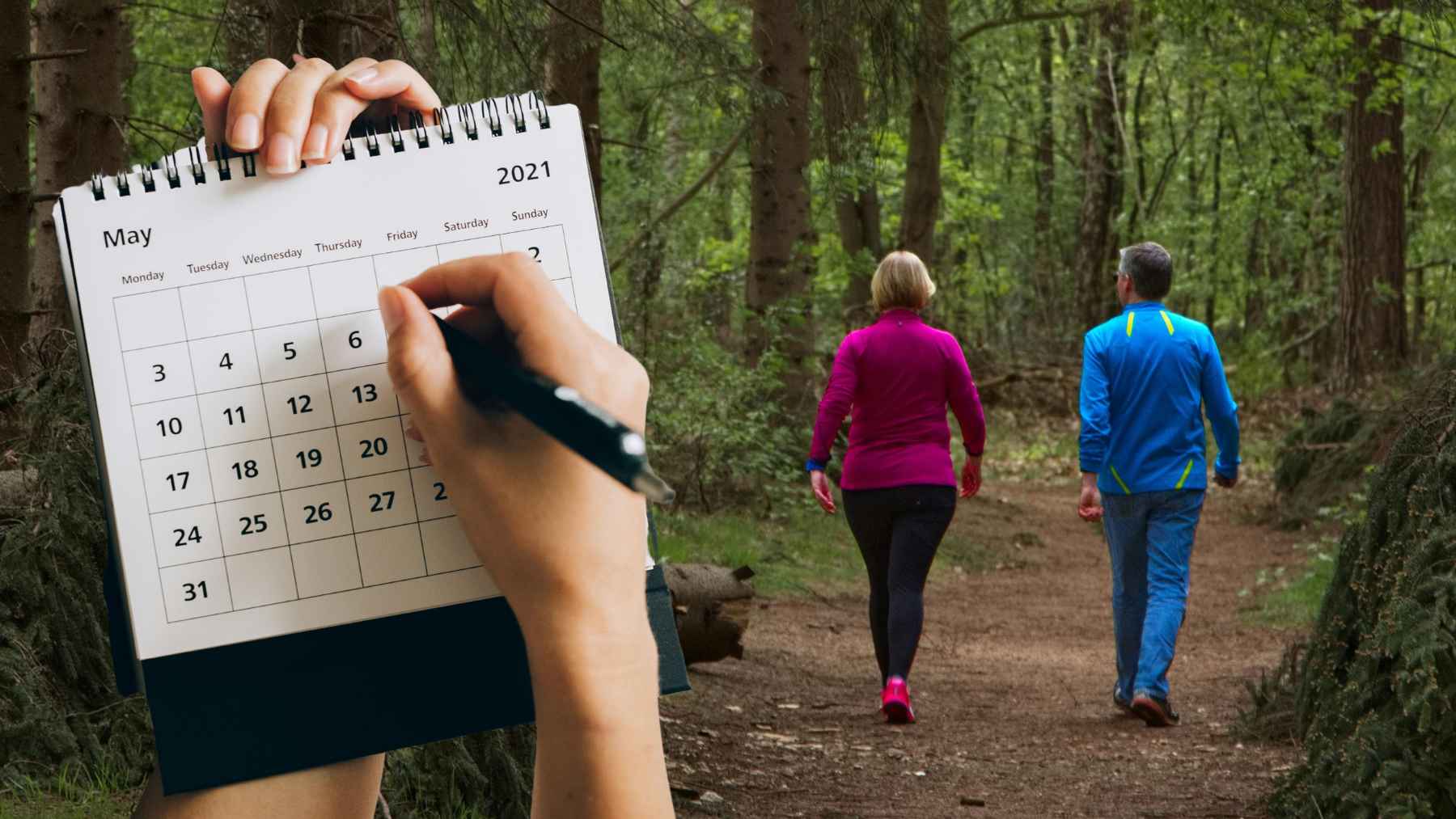
José Ruiz, a personal trainer, told CLARA that “if a person over 60 walks 30 minutes, five days a week, they already get benefits and a reduction in stress.” The message is clear: you do not need to become an athlete to start feeling better.
A realistic goal after 60
For many older adults, the hardest part is not walking, it is starting without feeling that the goal is too big. Public health guidance says adults 65 and older should aim for at least 150 minutes of moderate aerobic activity each week, which can be broken into 30 minutes a day, five days a week.
They are also advised to add muscle-strengthening and balance activities during the week.
That can mean a brisk walk around the neighborhood, a loop through the park, or a steady walk after lunch. The key is that the pace should feel active, but not punishing.
Benefits come earlier than expected
Many people assume they need months of training before anything changes, but the body is usually more responsive than that. Regular movement can improve cardiovascular fitness, make stairs feel less tiring, and help everyday tasks feel easier.
There is also a mental side to this. Physical activity can reduce short-term feelings of anxiety in adults, help lower the risk of depression and anxiety over time, and support better sleep. For someone dealing with stress, poor rest, or that heavy afternoon fatigue, a walk can be more than exercise.

Personal trainer José Ruiz says adults over 60 can reduce stress and improve overall health by walking 30 minutes five days a week.
The 10,000-step myth
So, are 10,000 steps really necessary? Not for everyone. That number became popular as a simple daily target, but research does not treat it as a magic line between healthy and unhealthy.
A large analysis led by Amanda Paluch at the University of Massachusetts Amherst found that, for adults 60 and older, the longevity benefit appeared to level off at about 6,000 to 8,000 steps per day.
The same research group combined evidence from 15 studies including nearly 50,000 people, and the more active groups had a 40% to 53% lower risk of death compared with the least active group.
Ten minutes still count
One of the most useful lessons is also the most encouraging. A person who has not exercised in years does not need a perfect schedule to begin. Ten or 15 minutes can be a smart first step.
This matters because small walks are easier to fit into real life. A short walk after dinner, a stroll before the afternoon gets hot and sticky, or getting off the bus one stop early can all help build momentum.
National guidance also notes that people who struggle to meet the full recommendation should be as active as their abilities allow, because some activity is better than none.
Pace matters less than consistency
Walking faster can bring stronger cardiovascular benefits, but speed is not the first thing to chase, consistency is. A fast week followed by months on the couch does not build the same habit as steady, repeatable movement.
A useful test is the conversation rule. If you can talk while walking, even with slightly heavier breathing, the intensity is probably moderate for many people. The goal is not to finish drenched in sweat or exhausted, it is to teach the body that movement belongs in daily life.
Walking supports the heart
The heart benefits from this kind of routine because walking is aerobic activity, meaning it makes the heart and lungs work a little harder. Done regularly, moderate activity can lower the risk of heart disease and stroke, and it can also help lower blood pressure and improve cholesterol levels.
The American Heart Association also says physical activity can help control high blood pressure, manage weight, strengthen the heart, and lower stress. That is a practical combination, especially for people trying to protect independence as they age.
Strength should join the routine
Walking is a strong foundation, but it is not the whole house. After 60, muscle matters. Stronger legs, hips, and core muscles help with balance, stairs, carrying groceries, and getting up from a chair without effort.
That does not mean heavy gym workouts are required. Simple, adapted strength exercises can help maintain muscle and function, while balance work may lower the risk of falls. The best plan, for the most part, is walking plus strength plus balance.
How to start safely
The biggest mistake is trying to recover years of inactivity in a few days. A more realistic plan starts with 10 or 15 minutes a day for the first week, then adds time gradually until 30 minutes feels normal.
People with heart disease, major joint pain, dizziness, or another medical condition should check with a health professional before changing their activity level. For everyone else, the larger lesson is simple–after 60, every step can count when it becomes part of a routine.
The main step-count study cited in this article was published in The Lancet Public Health.