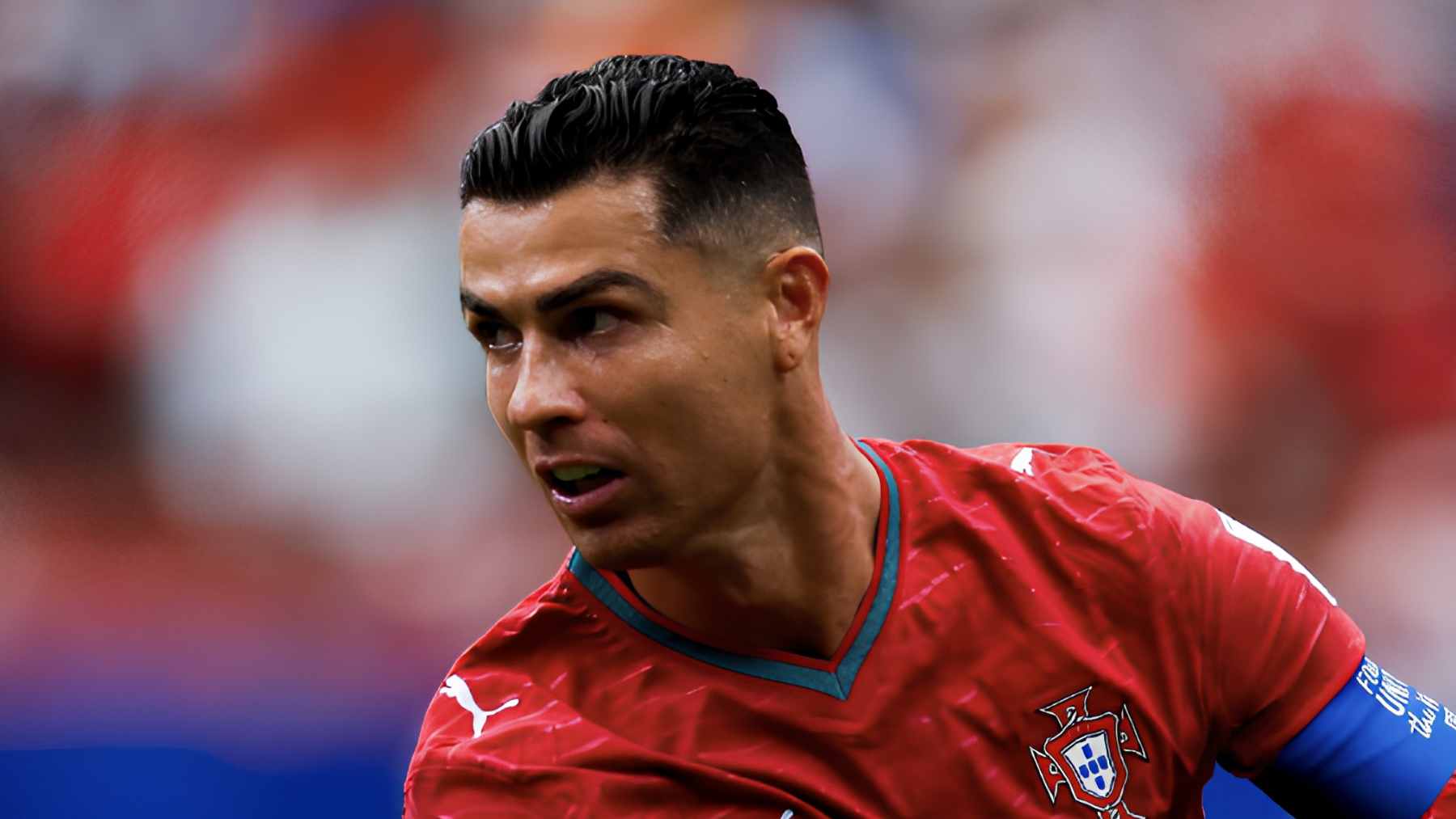
Cristiano Ronaldo is still asking his body to do work most players stop doing years earlier. At 41, the Portuguese forward remains captain as Portugal competes at the 2026 FIFA World Cup, which opened on June 11 and runs through July 19 in North America.
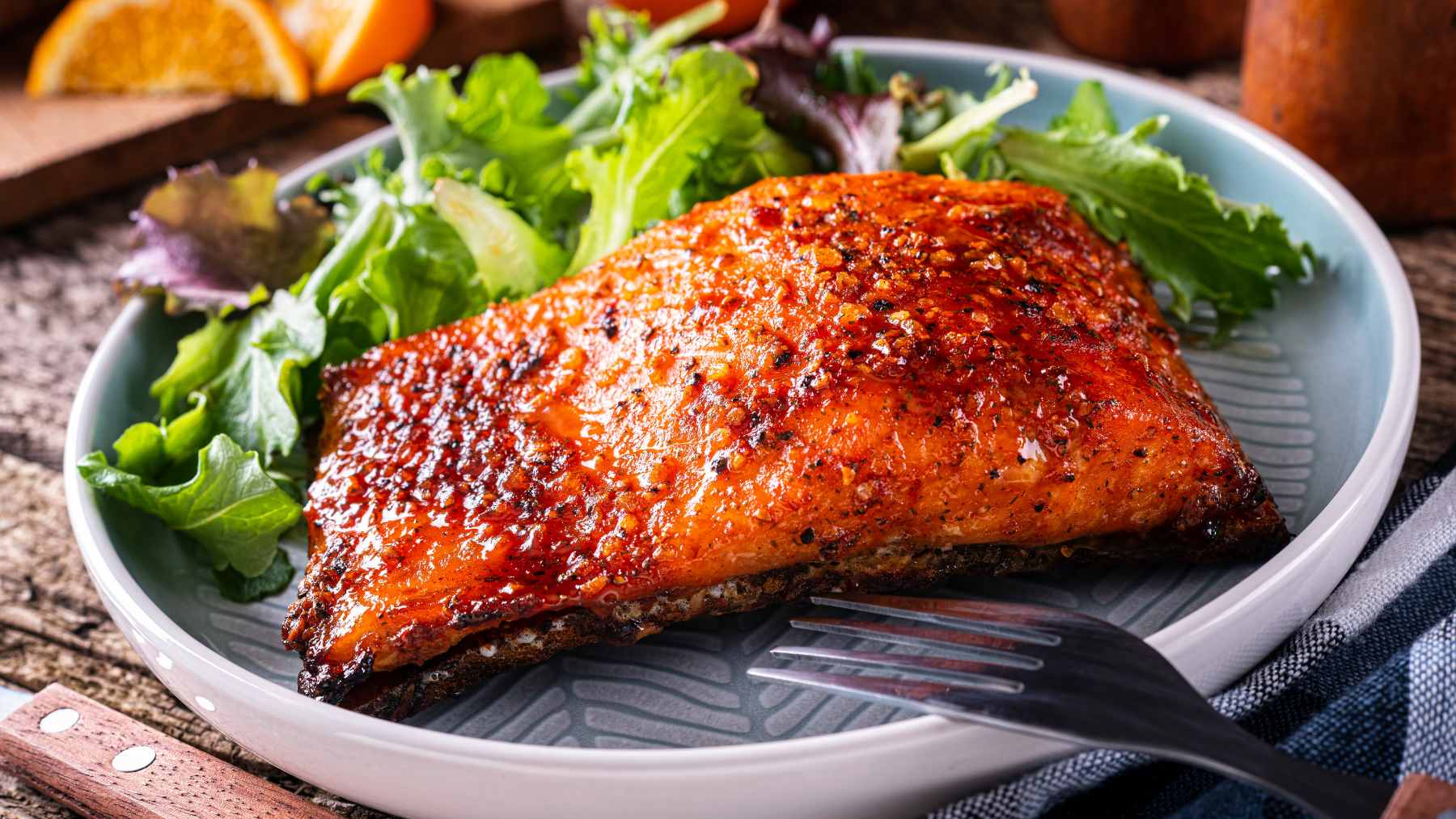
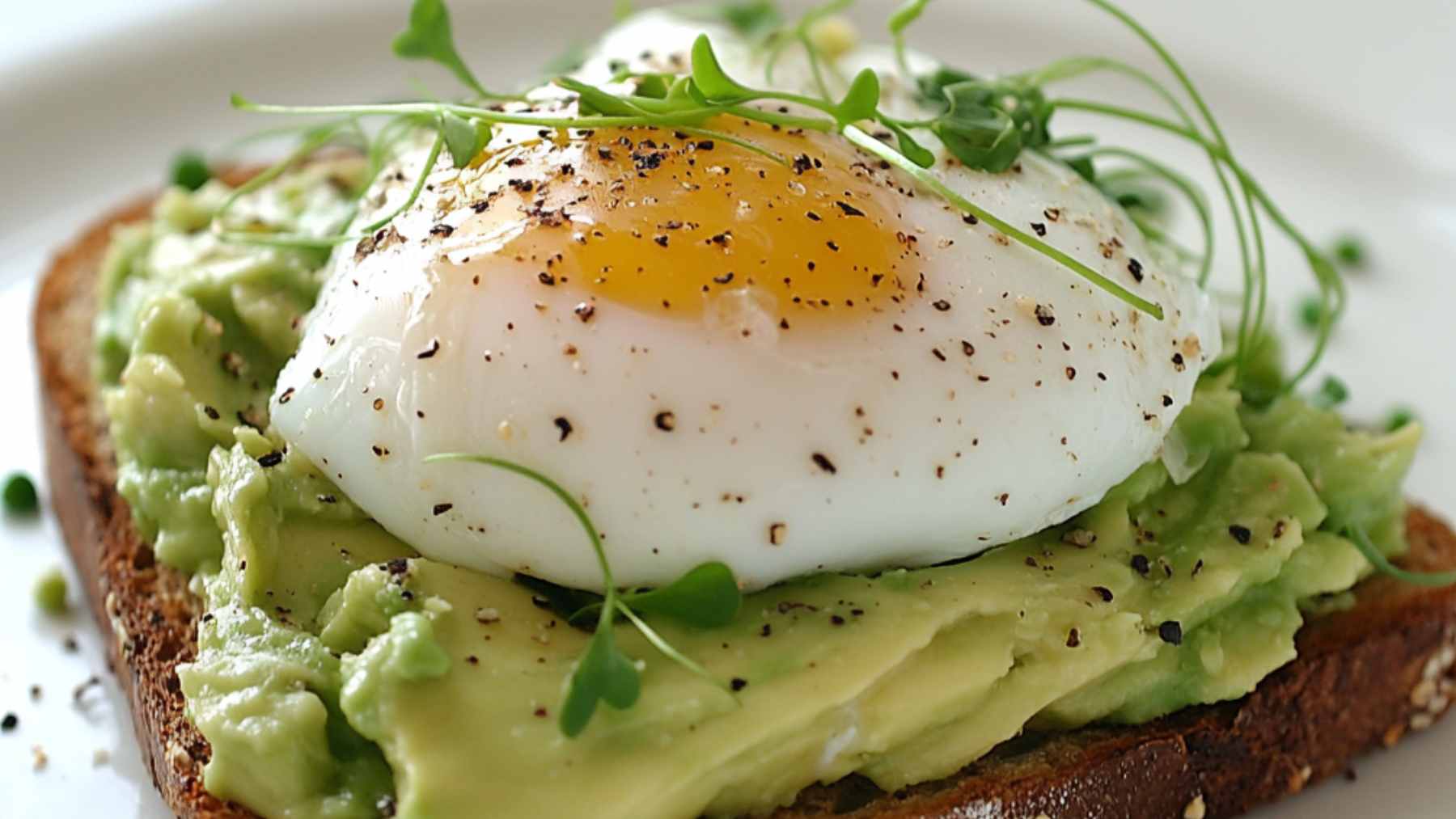
His reported food plan is not flashy. “Every day I have eggs with avocado and coffee, and for lunch vegetables, chicken, and fish,” Ronaldo said, according to the source material.
It sounds simple, but in elite soccer, simple habits repeated for years can matter as much as any new training device.
The routine behind the headline
Ronaldo now plays for Saudi club Al Nassr and remains the face of Portugal’s attack. FIFA listed him in Portugal’s 2026 squad, noting that he was heading to a sixth World Cup at 41 with 226 caps and 143 Portugal goals at that point.
The numbers are only part of the story. From Madeira to Manchester, Madrid, Turin, Riyadh, and now another World Cup run, Ronaldo has sold the same message for years. Talent opens the door, but daily control keeps it open.
What he eats first
The breakfast starts with avocado, a food rich in unsaturated fat and fiber. Research highlighted by the American Heart Association has linked two or more weekly servings of avocado with lower cardiovascular risk when it replaces less healthy fats.
Not a miracle food. But paired with eggs and coffee, it gives Ronaldo a mix of fat, protein, and caffeine before training.
Harvard’s Nutrition Source lists eggs as a source of protein and choline, while its coffee review says moderate coffee drinking is consistently linked with lower risk of several chronic diseases, though some people do not tolerate caffeine well.
Lunch is just as important
At lunch, Ronaldo’s reported plate moves toward vegetables with chicken, beef, or fish. Vegetables bring fiber, vitamins, and minerals, while the protein helps repair and maintain muscle after hard sessions.
Chef Giorgio Barone, who worked with Ronaldo during his Juventus years, has described a food pattern built around fresh, lightly prepared meals.
According to the source brief, refined sugar, processed foods, bread, and dairy are reportedly kept out of many lunches and dinners, while hydration, sleep, and exercise are treated as nonnegotiable.
Dinner follows a pattern
Dinner does not appear to be a break from discipline. The same building blocks return, although Ronaldo reportedly alternates proteins so the meal does not feel like a copy of lunch. That makes practical sense.
Five or six meals a day may sound extreme to most people, but for an elite athlete, it can spread fuel and protein across a long training day. For a teenager or office worker, copying it exactly would be unnecessary without the same workload. The electric bill of the body changes with how much energy it burns.
The Portuguese dish he still loves
For all the discipline, Ronaldo is not described as living on bland bowls. His favorite dish is reportedly Bacalhau à Brás, a Portuguese classic made with cod, eggs, and thin potatoes. It is comfort food, but it also fits the story of a player who never fully leaves Madeira or Portugal behind.
His mother, Dolores Aveiro, is said to prepare it for him, and Georgina Rodríguez has praised her cooking in her Netflix series. That detail matters because food is rarely just math. It is family, routine, memory, and culture.
Why Messi keeps coming up
No Ronaldo story stays far from Lionel Messi. Their rivalry has long been framed as a contrast between two different kinds of greatness, with Messi cast as the natural genius and Ronaldo as the athlete built through repetition.
That is too neat, of course. Both have talent and both have worked for decades. Still, the diet story lands because it supports the public image of Ronaldo as a player who tries to control every small edge.
The records still ahead
Ronaldo became the first men’s player to reach 900 official career goals in September 2024, when he scored for Portugal against Croatia. That milestone made the chase for 1,000 goals feel less like a fantasy and more like a final mountain.
One prize is still missing from his collection. The World Cup remains the great gap, and the 2026 tournament gives him another chance to test whether discipline, genetics, experience, and stubborn belief can hold off time for a little longer.
What his diet really says
The lesson is not that avocado and eggs turn anyone into Ronaldo. The better lesson is that elite longevity is usually boring before it looks spectacular. It is breakfast, lunch, dinner, training, rest, water, and doing it again when nobody is clapping.
For most readers, the useful takeaway is simpler than a superstar meal plan. Eat mostly fresh foods, get enough protein, keep highly processed foods in check, sleep well, and move often.
At the end of the day, that is what his routine is trying to do.