High cholesterol often sounds like a life sentence of bland food, but a clinical dietitian is offering a simpler starting point. Instead of opening with forbidden foods, Monika Stromkie-Złomaniec says people should first focus on what they can add to the plate.
Her advice is not about a miracle fish or a strict seaside menu. It is about leaning toward a Mediterranean-style pattern and making fatty fish, including salmon, herring, halibut, and sprat, a normal part of the weekly grocery run.
Start with additions
The question was direct enough: where should someone begin if they want to control blood cholesterol, the waxy substance that can build up in blood vessels when levels run too high?
“I would not start with what we cannot eat, but with what we can and should eat, because no one likes prohibition. That is the truth,” she said. A shopping list is easier to live with than a punishment list.
That matters because the problem is not rare. The CDC says about 86 million U.S. adults have total cholesterol above the level often used to flag high or borderline high cholesterol, and many people do not feel symptoms early on.
Why fatty fish helps
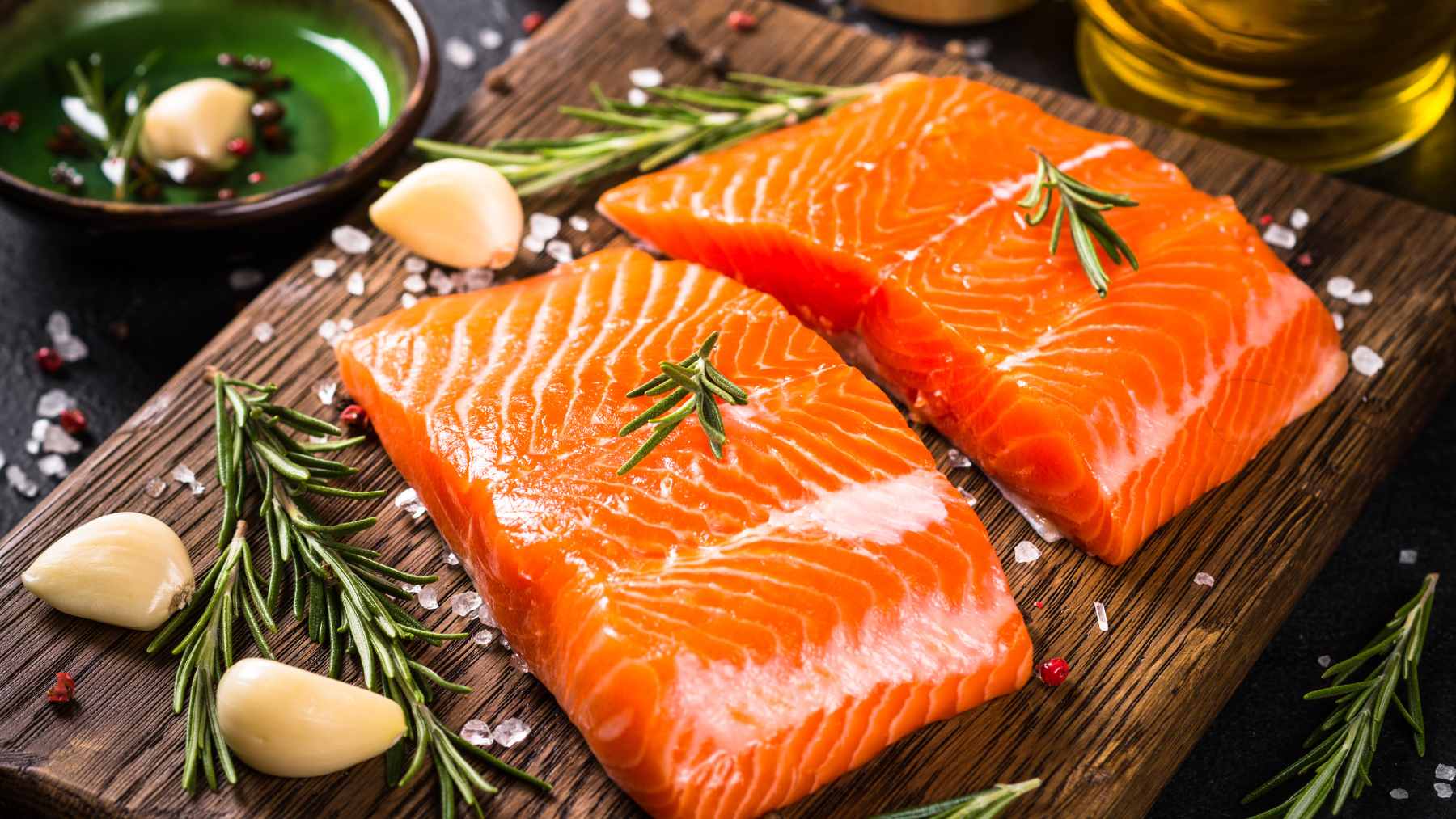
Fatty fish carry omega-3 fatty acids, a type of unsaturated fat linked to heart health. It is contained in fish such as salmon, herring, sprat, sardines, and some types of tuna can do more for dinner than simply replace red meat.
The strongest effect is usually seen in triglycerides, another type of fat in the blood.
The NIH Office of Dietary Supplements notes that each extra gram per day of long-chain omega-3s was tied to a drop of about six lab-measurement points in triglycerides, with a stronger effect in people whose levels were already high.
That does not mean salmon works like a pill. It means the pattern matters, especially when fish replaces foods high in saturated fat, the kind of fat that can push LDL cholesterol in the wrong direction.
LDL and HDL explained
LDL is often called “bad” cholesterol because high levels can raise the risk of heart disease and stroke. HDL is called “good” cholesterol because it helps carry cholesterol back to the liver, where the body can clear it.
Triglycerides are different, but they travel in the same conversation. When they run high, they can point to a diet pattern that needs attention, especially when combined with high LDL or low HDL.
So, what should end up in the cart? Salmon is an easy choice because it is widely available, familiar, and rich in omega-3s, but herring and sprat also belong in the same heart-friendly conversation.
A Mediterranean pattern
The dietitian recommends using the Mediterranean diet as the starting point, but she quickly pushed back against a common misunderstanding. “It is great to base our diet on the Mediterranean diet, but that does not mean we have to eat eggplants and tomatoes all year round,” she said.
That line makes the advice feel more doable. For the most part, the Mediterranean approach means vegetables, beans, whole grains, nuts, olive oil, and seafood, not a perfect vacation plate.
Harvard Health describes the Mediterranean diet as a way of eating tied to a lower risk of heart disease, metabolic syndrome, diabetes, certain cancers, and frailty in older adults. At the end of the day, it is a compass, not a strict script.
Fresh or smoked
The dietitian said fish can be eaten fresh or smoked, and that is useful for real life. Not everyone has time to cook salmon after work, and a smoked herring sandwich may be more realistic than a perfect dinner that never gets made.
There is a catch, however. Smoked fish can be salty, and cutting back on sodium can help lower blood pressure, also known as hypertension.

That is why people with high blood pressure should be careful with smoked products. For them, fresh fish, low-sodium canned options, or home-cooked salmon may be the better routine.
What to change first
The National Heart, Lung, and Blood Institute recommends lowering saturated fat and adding soluble fiber, plant stanols, and plant sterols to help lower cholesterol. That sounds technical, but it can look simple on a plate.
Think oatmeal, beans, lentils, vegetables, fruit, nuts, olive oil, and fatty fish. It is not about one heroic food, it is about repeating small choices until they stop feeling like choices.
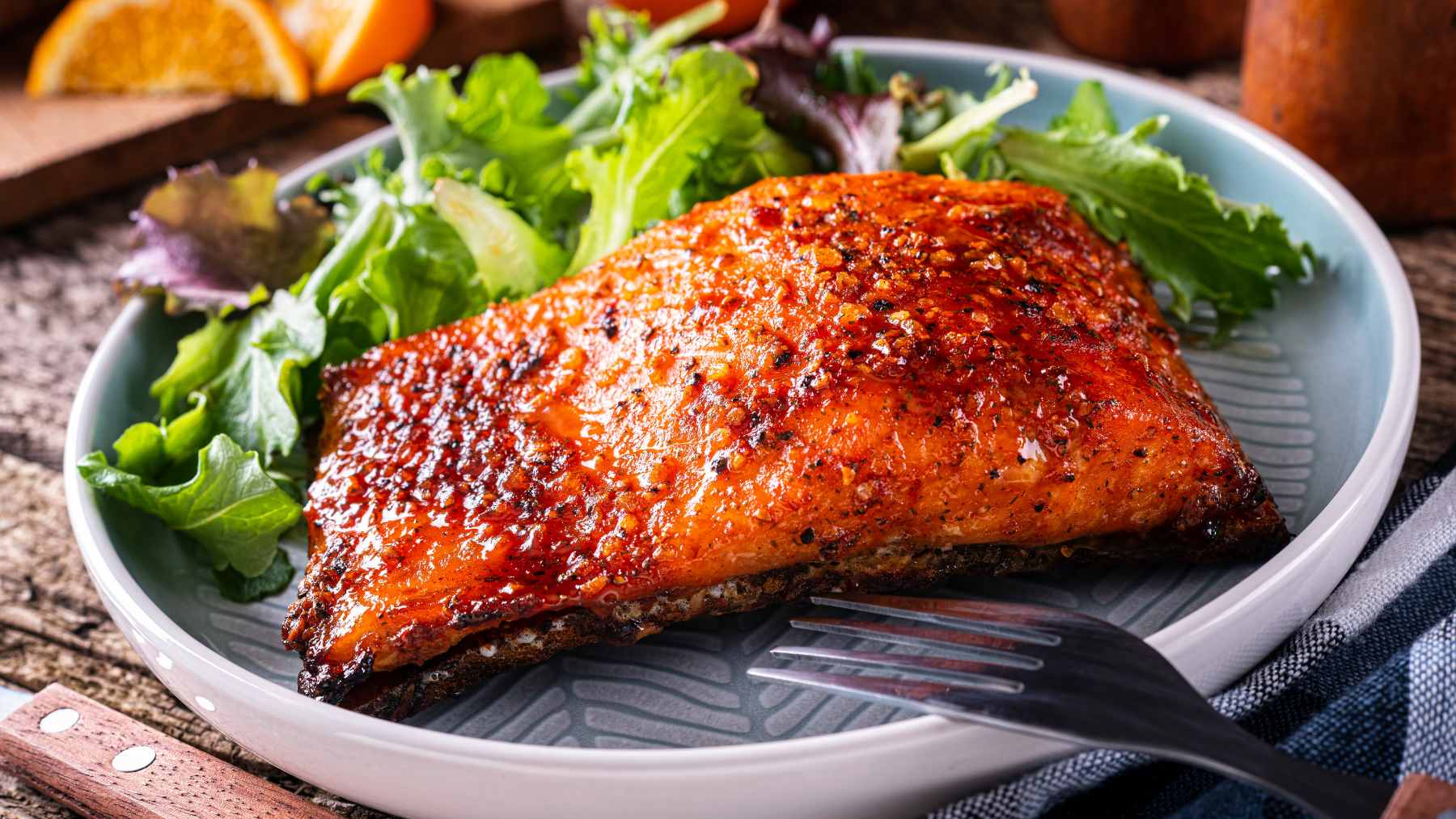
A grilled salmon fillet or herring with whole-grain bread will not erase months of habits overnight. Still, those meals move the day in the right direction, and that is where lasting change usually starts.
The takeaway
The most useful message may be the least dramatic one. Instead of asking what must disappear from the kitchen, start by asking what should appear more often.
For many people, salmon is a smart place to begin because it is easy to find and easy to cook, but the larger lesson is broader. Fatty fish, Mediterranean-style meals, and fewer high-saturated-fat foods can work together in a way that feels like normal eating, not a sentence.
The official guidance on fish and omega-3 fatty acids has been published by the American Heart Association.