A bad morning does not always begin with the alarm clock. Sometimes it starts the night before, with a heavy dinner, a late drink, a glowing phone, or a bedtime that keeps changing like a moving target.
Scientists and sleep doctors increasingly point to one simple idea: sleep is not just about the number of hours you spend in bed. It is also about the signals your body gets before bed, and those signals can either help your brain power down or keep it quietly on duty.
Your body keeps time
Your circadian rhythm is your internal body clock. It helps decide when you feel alert, when you get sleepy, when your body temperature drops, and when hormones shift into nighttime mode.
The Centers for Disease Control and Prevention says healthy sleep habits include going to bed and waking up at the same time every day, turning off electronic devices before bedtime, and avoiding large meals and alcohol before bed. Those tips may sound basic, but they target the exact habits that often make sleep feel “fine” at night and useless by morning.
Late dinners add work
A big meal close to bedtime asks your body to digest when it is trying to slow down. Essentially, that means your stomach, hormones, and blood sugar control may stay active when the rest of you wants to rest.
In a controlled study, Nina Vujovic and Frank Scheer of Harvard Medical School reported that late eating increased hunger, changed appetite hormones, lowered energy use, and shifted fat tissue activity in ways linked to higher obesity risk.
That does not mean one late dinner ruins your health, but making it routine can push the body in the wrong direction.
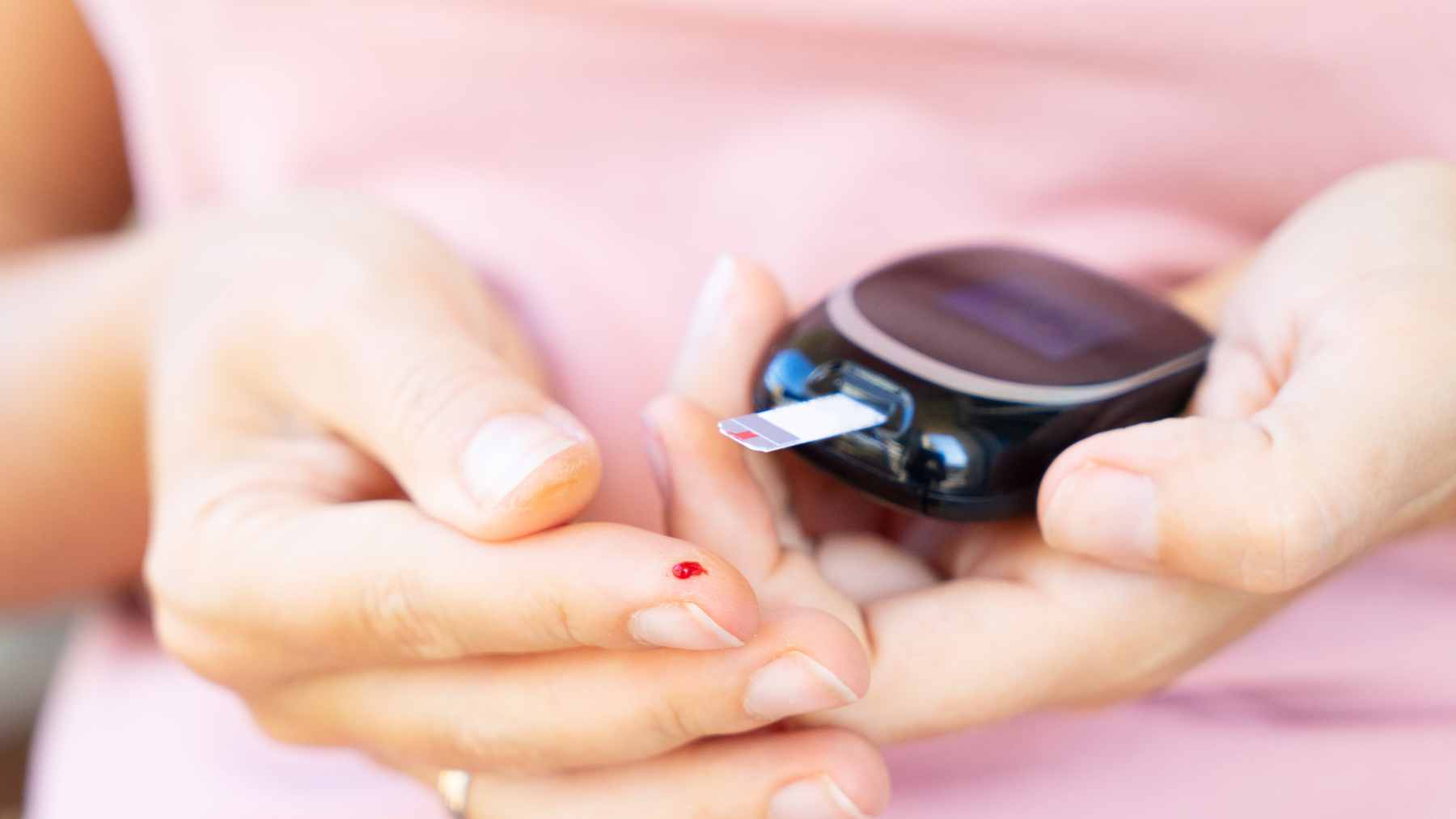
The timing also matters for blood sugar. A randomized crossover trial found that eating dinner three hours earlier improved 24-hour blood glucose levels and helped fat metabolism after breakfast the next day, compared with a later dinner of the same energy content.

Alcohol is a sleep trick
A drink at night can feel like a shortcut to sleep. The trouble is, it often helps with the first step while damaging the rest of the journey.
MD Anderson Cancer Center explains that alcohol can suppress REM sleep, the stage linked to dreaming, learning, memory, and emotional processing. That is why someone may fall asleep quickly after a nightcap and still wake up foggy, restless, or oddly tired.
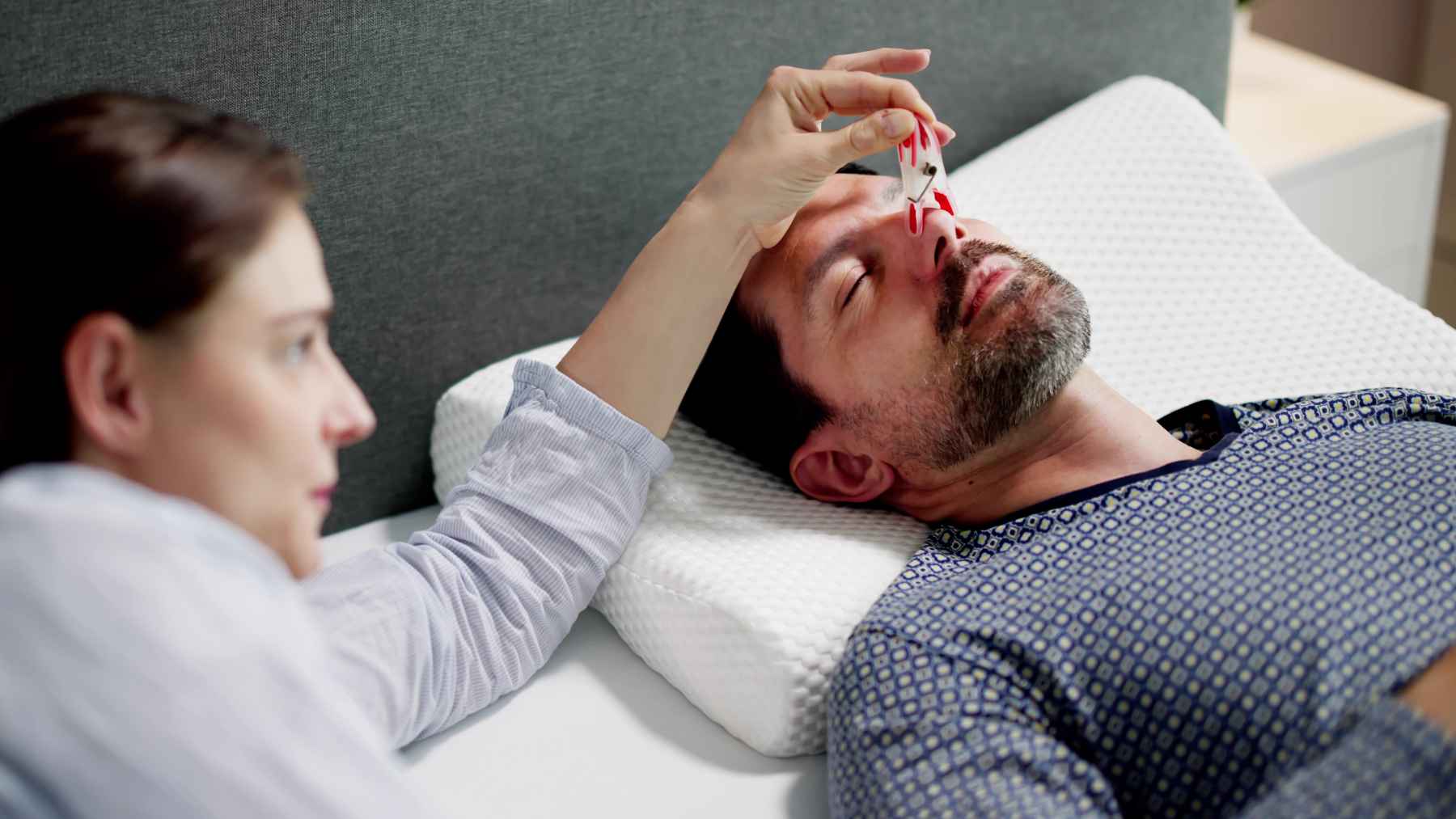
The effect can be stronger in people who snore or have sleep apnea, a condition where breathing repeatedly pauses or becomes shallow during sleep. Alcohol relaxes throat muscles, which can make noisy breathing and nighttime wake-ups worse.
Screens keep the brain awake
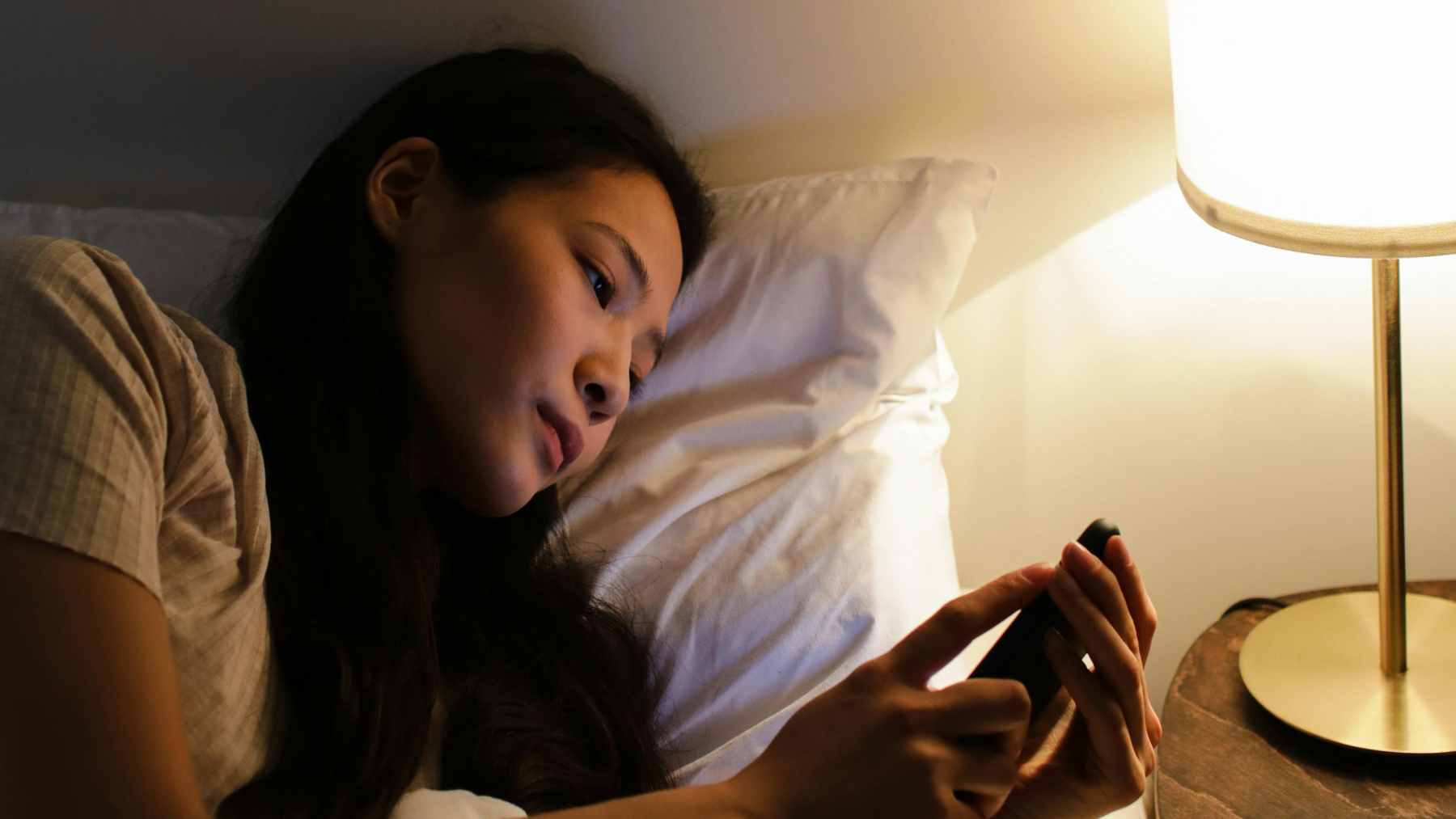
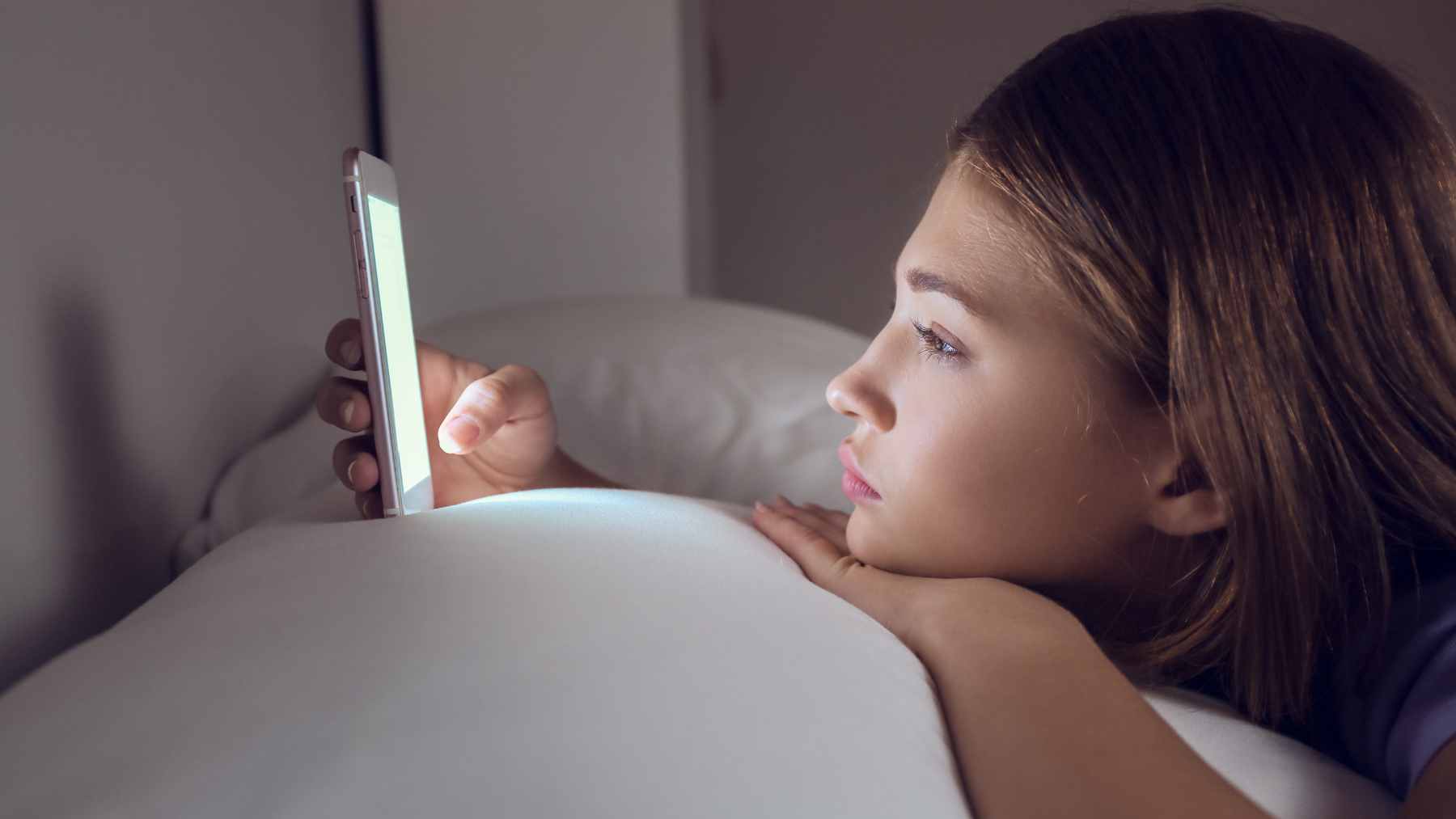
The phone in bed is not just a little rectangle of light. It is also news, messages, work, videos, and a hundred tiny reasons for the brain to stay alert.
A well-known PNAS study on light-emitting e-readers found that evening screen exposure delayed the body clock, suppressed melatonin, made it take longer to fall asleep, reduced REM sleep, and lowered next-morning alertness. Melatonin is a hormone that helps tell the body it is time to sleep.
Blue-light filters may help somewhat, but they are not magic. Scrolling through stressful headlines or work emails can keep the nervous system on call, almost like leaving the front door open and expecting the house to feel quiet.
Weekend jet lag counts
Social jet lag is what happens when your sleep schedule on free days is very different from your schedule on work or school days. You do not need to fly anywhere to feel it.
A 2025 study using data from 4,438 U.S. adults found that more than one hour of social jet lag was linked to higher odds of metabolic syndrome among adults with normal sleep duration.
Metabolic syndrome means a cluster of problems such as high blood pressure, high blood sugar, and unhealthy cholesterol patterns.
This does not mean everyone needs military-level discipline. For the most part, the body handles small shifts better than a schedule that jumps by two or three hours every weekend.
The morning bill arrives
Poor sleep quality can show up as slow thinking, bad focus, moodiness, and that heavy feeling where coffee seems less like a treat and more like emergency equipment. The National Heart, Lung, and Blood Institute says sleep deficiency can affect learning, focusing, reaction time, decision-making, and memory.
That explains why the next day can feel off even after enough hours in bed. Your sleep may have been long, but not steady, deep, or well-timed.
So, can you abandon these habits? Not perfectly, and not overnight. But moving dinner earlier, skipping alcohol close to bed, parking the phone outside the bedroom, and keeping wake-up time more predictable can give the body clearer instructions.
When habits are not enough
There is one important caveat: if sleep stays light, broken, or unrefreshing despite better habits, the problem may not be your routine.
Loud snoring, morning headaches, choking or gasping during sleep, and strong daytime sleepiness are signs worth discussing with a doctor. At that point, the issue may be insomnia, sleep apnea, restless legs syndrome, or another sleep disorder that needs proper diagnosis.
The main scientific work referenced here on late eating and metabolism has been published in Cell Metabolism.