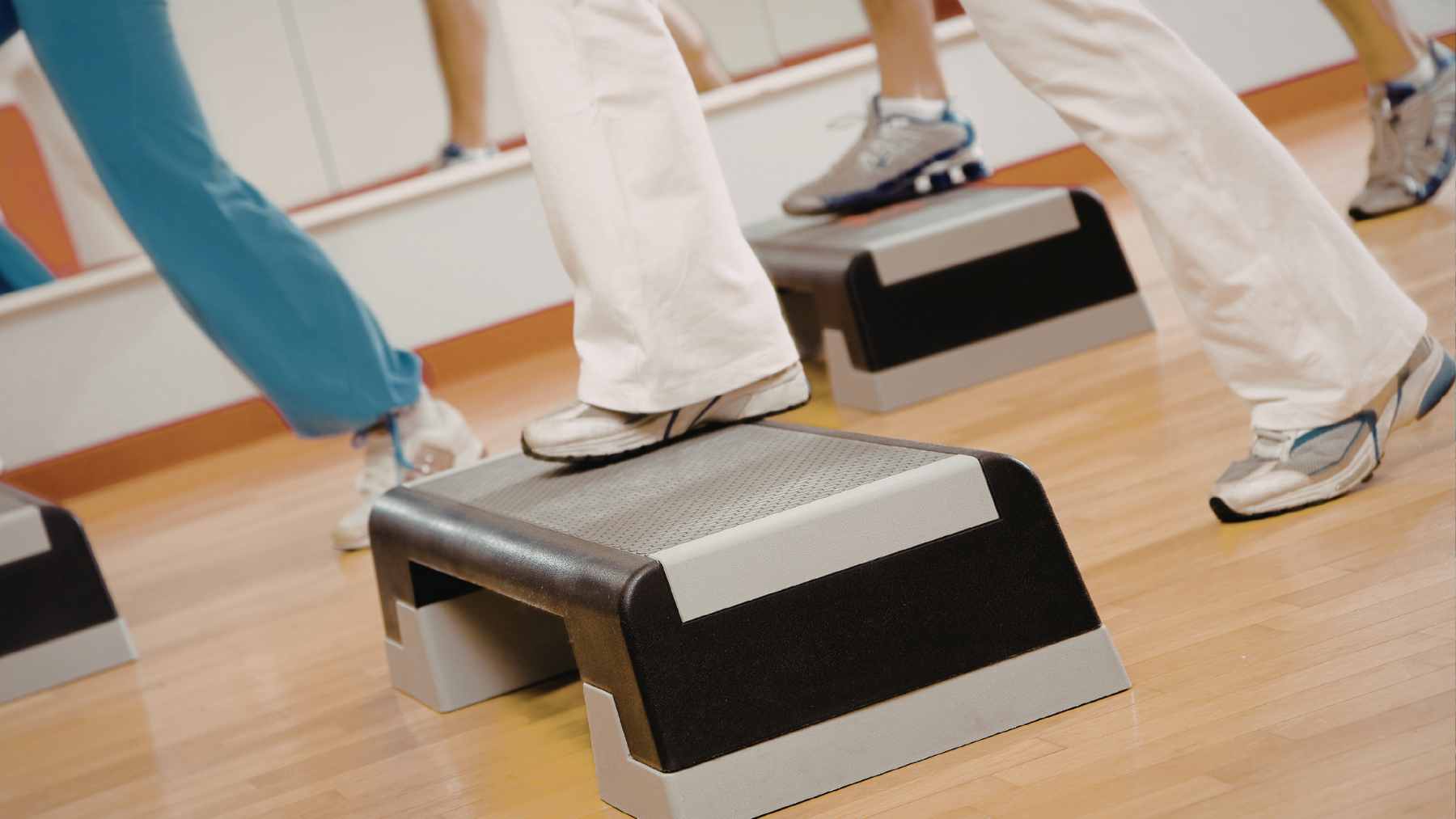
A new study suggests that the most useful exercise for people with high blood pressure may not be one single workout, but a practical combination. Aerobic exercise, such as brisk walking, cycling, or swimming, stood out as the most consistent way to lower blood pressure across the whole day and night.
Researchers in Brazil also found strong results for combined training, which pairs aerobic movement with strength work, and for high intensity interval training, often called HIIT.
The point is not to chase the hardest workout in the gym. For the most part, the message is simpler. Keep the heart moving, add strength carefully, and measure the impact beyond a quick reading at the doctor’s office.
Why 24 hours matters
High blood pressure is often called a quiet risk because many people feel fine until trouble arrives. The World Health Organization describes hypertension as a major cause of premature death worldwide, while cardiovascular diseases remain the world’s leading cause of death.
A clinic reading is useful, but it is only a snapshot. Ambulatory blood pressure monitoring follows people through normal life, using a portable device that checks pressure every 15 or 30 minutes over 24 hours, including work, errands, rest, and sleep.
Why does that matter? Because blood pressure does not live in a clinic room. It rises during stress, falls during sleep, and reacts to small parts of the day we barely notice, from traffic noise to a rushed lunch.
What the study compared
The new analysis was led by Vinícius Mallmann Schneider, Patrícia Klarmann Ziegelmann, Dalva Muniz Pereira, and Rodrigo Ferrari, researchers connected with the cardiology and epidemiology graduate programs at the Federal University of Rio Grande do Sul in Porto Alegre, Brazil.
Their team reviewed 31 randomized clinical trials involving 1,345 adults with hypertension.
In plain English, randomized trials are studies where people are assigned by chance to different groups, which helps researchers make fairer comparisons.
The study compared eight types of structured exercise, including continuous aerobic exercise, combined aerobic and strength training, HIIT, weight training, isometric exercise, Pilates, yoga, and recreational sports.
The exercises that stood out
For systolic blood pressure, the top number that shows how strongly the heart pushes blood through the arteries, combined training produced the largest average drop over 24 hours. It lowered the reading by about six points compared with no exercise.
HIIT came close, with a drop of nearly six points, while aerobic exercise lowered systolic pressure by almost five points. For diastolic pressure, the lower number that reflects pressure between heartbeats, HIIT, Pilates, combined training, and aerobic exercise all showed meaningful reductions.
Still, aerobic exercise had one important advantage. It was the most consistent option across different times of day, including daytime and nighttime readings, according to the BMJ Group summary of the study.

Why walking still matters
A finding like this can make HIIT sound like the star of the show. But the more everyday conclusion is that aerobic movement remains hard to beat, especially because it can be simple, cheap, and easier to repeat.
Brisk walking is not flashy. No special machine is needed. Yet for many people, a fast walk after dinner or a steady bike ride may be easier to keep up than intense intervals that leave them gasping.
At the end of the day, the best workout is often the one a person can do safely and regularly. The American Heart Association recommends at least 150 minutes of moderate intensity aerobic activity each week, or 75 minutes of vigorous activity, ideally spread across the week.
The caution behind the result
The study does not mean weight training, yoga, Pilates, or recreational sports are useless. It means the evidence for some of those options is thinner when blood pressure is tracked for a full day instead of only inside a clinic.
Earlier research in the Journal of the American Heart Association found that exercise can reduce ambulatory blood pressure in people with hypertension. The new study tried to sort out which exercise types look strongest when compared together.
The Brazilian team also warned that many of the trials were small, exercise programs varied, and some studies did not report every detail researchers would want. So the result is promising, not perfect.
What patients can do now
Dr. Margarita Morales, a cardiologist with the Argentine Society of Hypertension and Hospital Italiano de Buenos Aires, told Infobae that “physical activity is one of the essential components in the prevention and treatment of cardiovascular diseases.” Her point fits the broader message of the new research.
That does not mean someone with hypertension should sprint into a HIIT class tomorrow. Age, medications, fitness level, joint pain, and how well blood pressure is controlled all matter. In practical terms, this is a reason to talk with a clinician about movement, not a reason to change medication alone.
For many people, the starting point may be boring in the best possible way. Walk faster. Swim steadily. Ride a bike. Add strength work when appropriate. Repeat it enough that the body gets the message.
The main study was published in British Journal of Sports Medicine.