A daily walk can sound too simple to matter, especially after age 70. But Rafael Hidalgo, a personal trainer, says the habit can make a real difference when it is done with care.
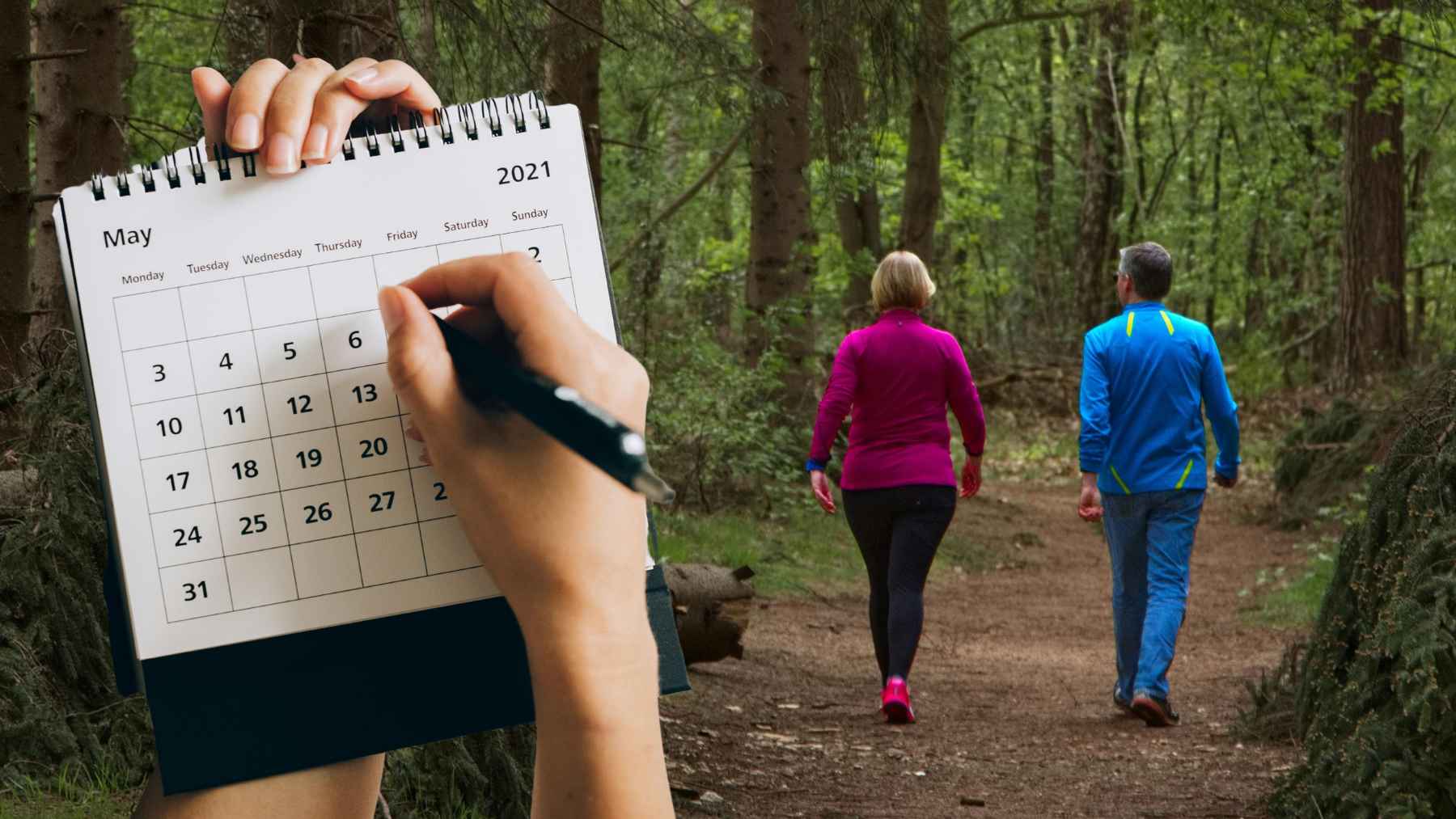
“If a person over 70 walks for about 20 to 30 minutes about five days a week, they already get cardiovascular, mobility, and general well-being benefits from walking.”
The key is not turning the walk into a test of toughness. The safer plan is steady and practical, with a medical check when needed, a short warm-up, good shoes, planned pauses, and a calm finish. Small details can decide whether walking builds confidence or becomes another reason to worry about falling.
Why 30 minutes matters
The trainer’s target lines up with mainstream health guidance. The Centers for Disease Control and Prevention says adults 65 and older need at least 150 minutes of moderate aerobic activity each week, which can look like 30 minutes a day, five days a week, along with muscle-strengthening and balance activities. Cardiovascular simply means the heart and blood vessels.
In plain English, moderate walking means the pace should feel like work, but not punishment. You may breathe a little harder, but you should still be able to talk with the person next to you.
Start with a safer first step
For someone who has not exercised in years, the first step may happen before the front door opens. The trainer recommends a medical evaluation for people without an exercise habit or with health conditions.
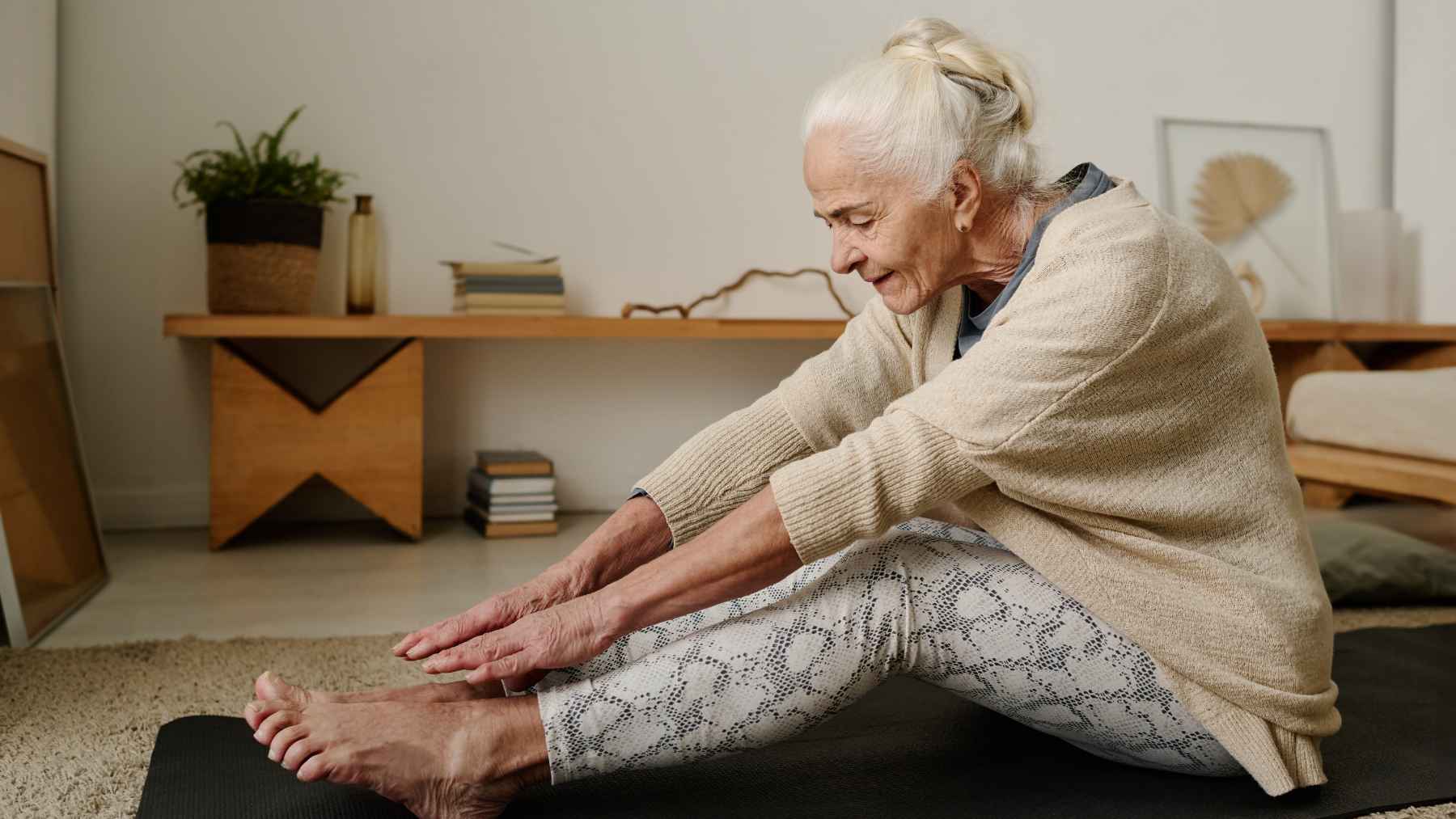
Then comes the warm-up. Five to 10 minutes of gentle movement for the ankles, knees, and hips can prepare the body before the pace increases. It is a bit like easing a cold car into motion instead of slamming the gas.
Breaks count too
One of the most useful points is also the most overlooked. Breaks are allowed, and for many older adults, they are smart.
A short pause can control fatigue and help preserve a cleaner walking pattern. The goal is not to prove endurance. It is to collect quality minutes.
The ideal rhythm, according to the trainer, is walking four to six days a week. In practical terms, that means consistency beats one heroic walk followed by several days on the couch.
What the research adds
Walking research keeps pointing in the same general direction, though not every study proves cause and effect.
Related American Heart Association research led by Erin E. Dooley at the University of Alabama at Birmingham School of Public Health found that, among adults 70 and older, an additional 500 steps a day was associated with a 14 percent lower risk of heart disease, stroke, or heart failure.
A JAMA Internal Medicine study of 16,741 older women also challenged the idea that everyone needs 10,000 steps a day. Women averaging about 4,400 steps had lower death rates than the least active group, and the benefit leveled off around 7,500 steps.
Shoes, sidewalks, and warning signs
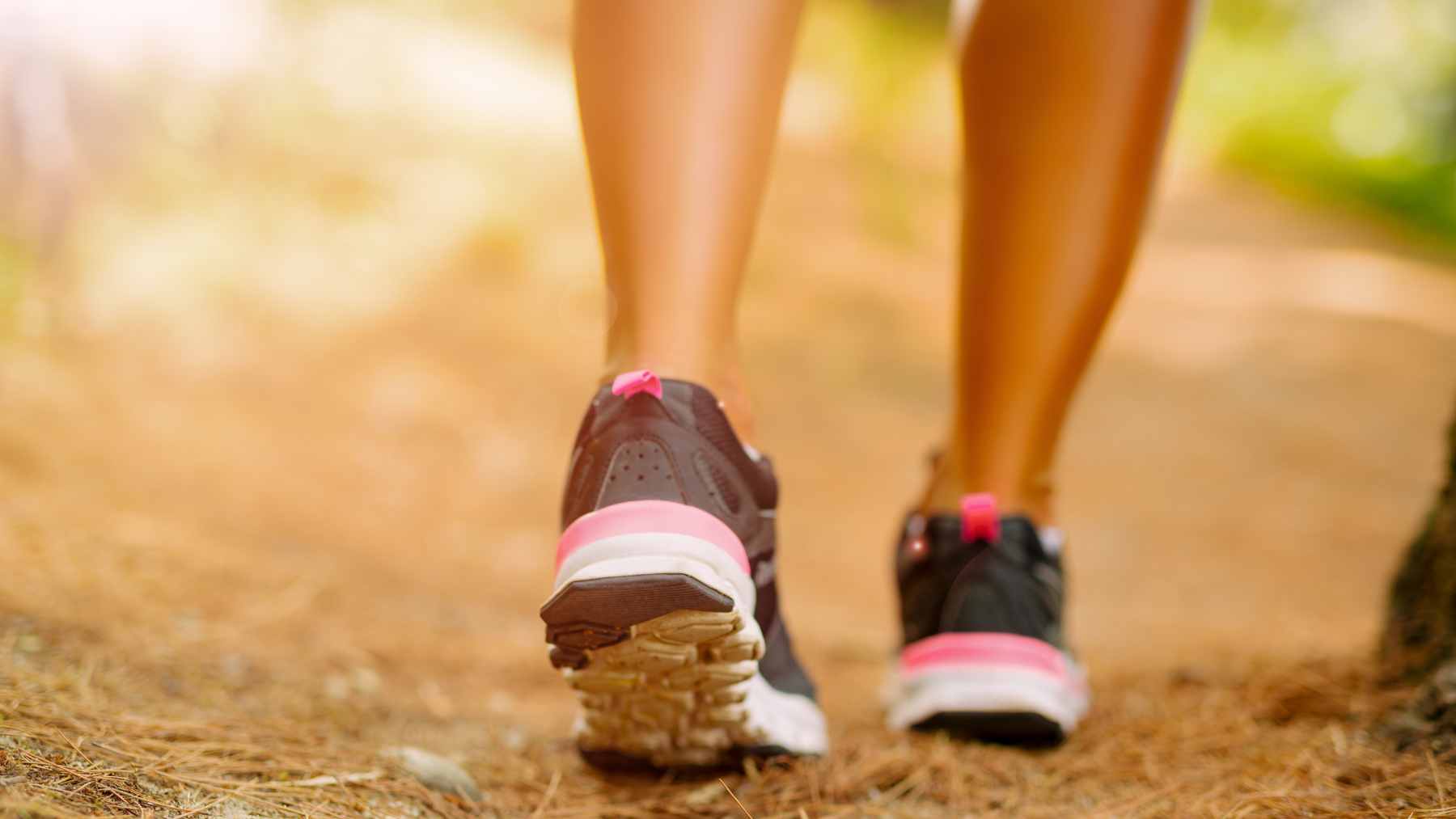
A safe walk starts from the ground up. The American Academy of Orthopaedic Surgeons recommends properly fitting shoes with nonskid soles, and the same logic applies outdoors when choosing stable sidewalks, compact dirt paths, or smooth park routes.
Watch for warning signs during or after the walk. Dizziness, chest pain, unusual shortness of breath, or fatigue that feels out of proportion are not signals to push through. Stop right away, and seek medical advice if the symptoms continue.
Walking should not stand alone
Walking helps the heart, legs, and mood, but it is not the whole toolbox. The American Heart Association recommends at least 150 minutes per week of moderate aerobic activity and muscle-strengthening activity on at least two days per week.
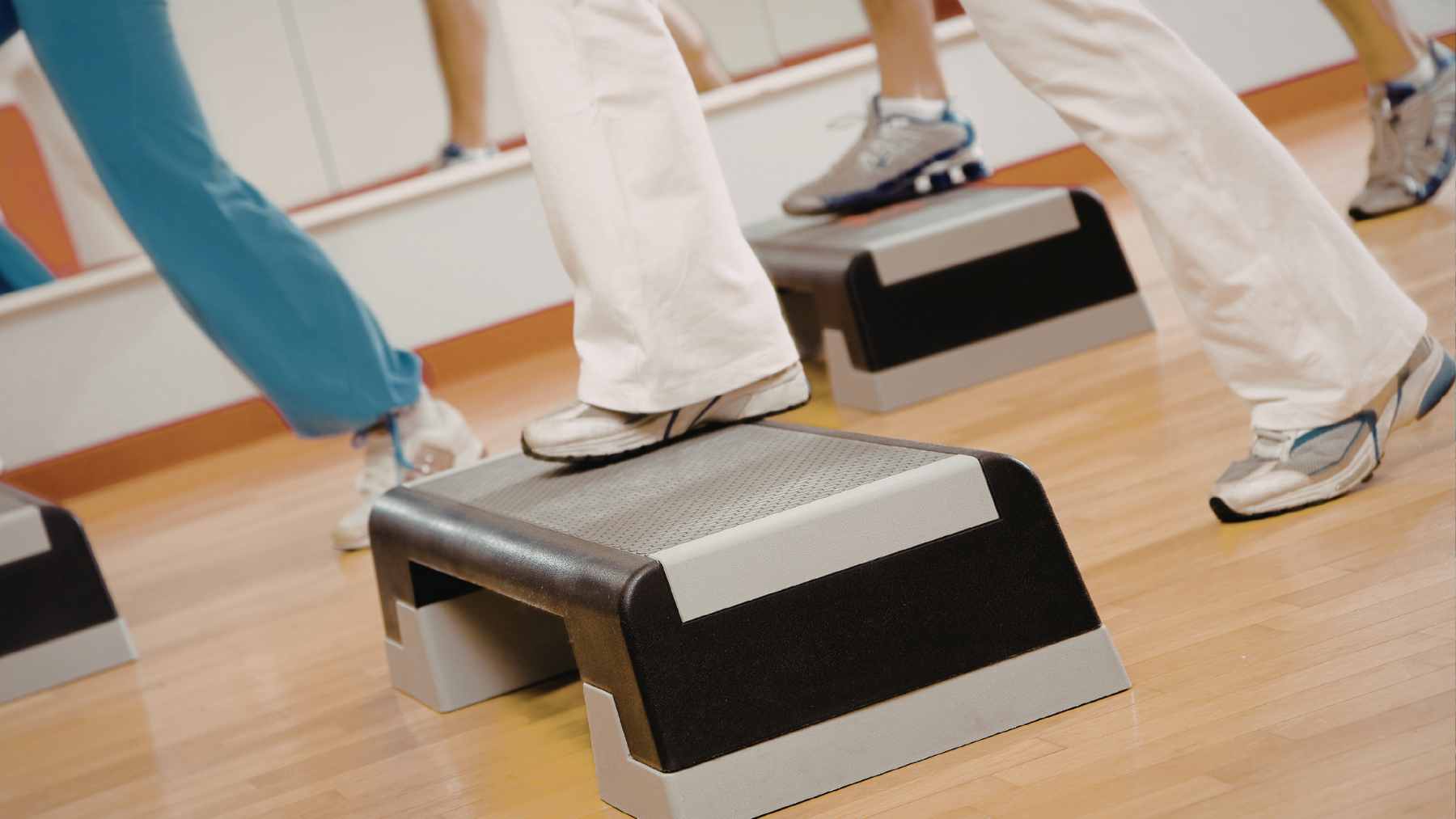
That strength work does not have to look like a gym commercial. Standing from a chair, climbing stairs with support, or using light resistance can help with daily tasks. Carrying groceries, stepping over a curb, or getting out of bed at night all depend on strength and balance.
The bottom line
So, what should a person over 70 actually do tomorrow morning? Start small, walk at a manageable pace, pause when needed, drink water afterward, and cool down with gentle stretches for the legs and lower back.
No one needs a perfect fitness tracker or a dramatic transformation plan. For the most part, the safer path is regular walking, done with attention, patience, and respect for the body’s signals.
The official interview has been published in SEMANA.