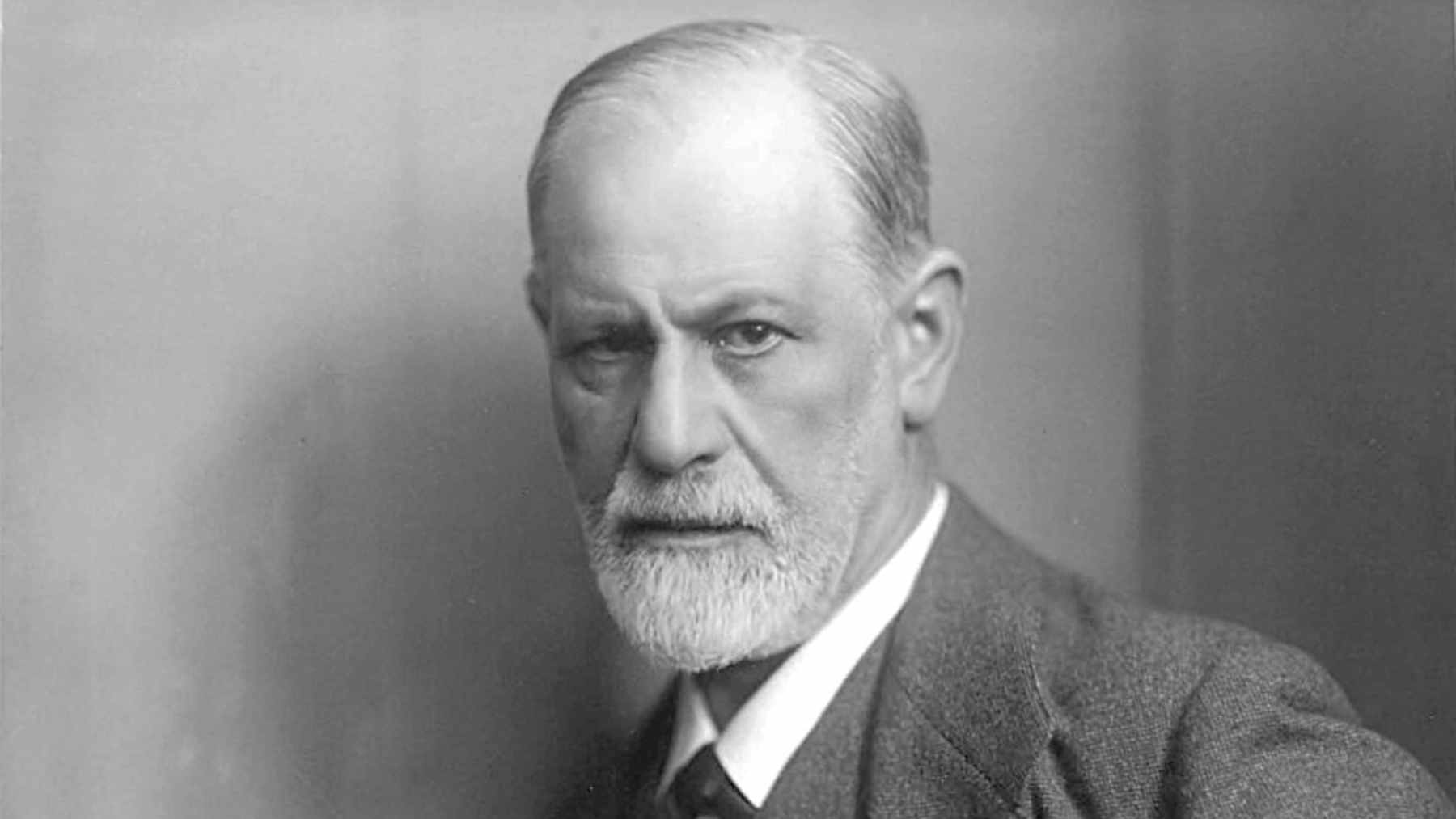
More than a century after Sigmund Freud turned childhood into a map of adult behavior, one of his sharpest observations is circulating again.
He argued that the child who feels unmistakably chosen can carry through life the “feeling of a conqueror,” a private confidence that can shape how that person faces failure, ambition, and success.
That idea still lands because it connects ordinary family drama with something larger, the quiet marks parents leave before children can name them. But modern psychology adds a twist.
Deep love can build security, while open favoritism can also strain siblings and hurt the child who feels pushed to the side.
Freud’s favorite child idea
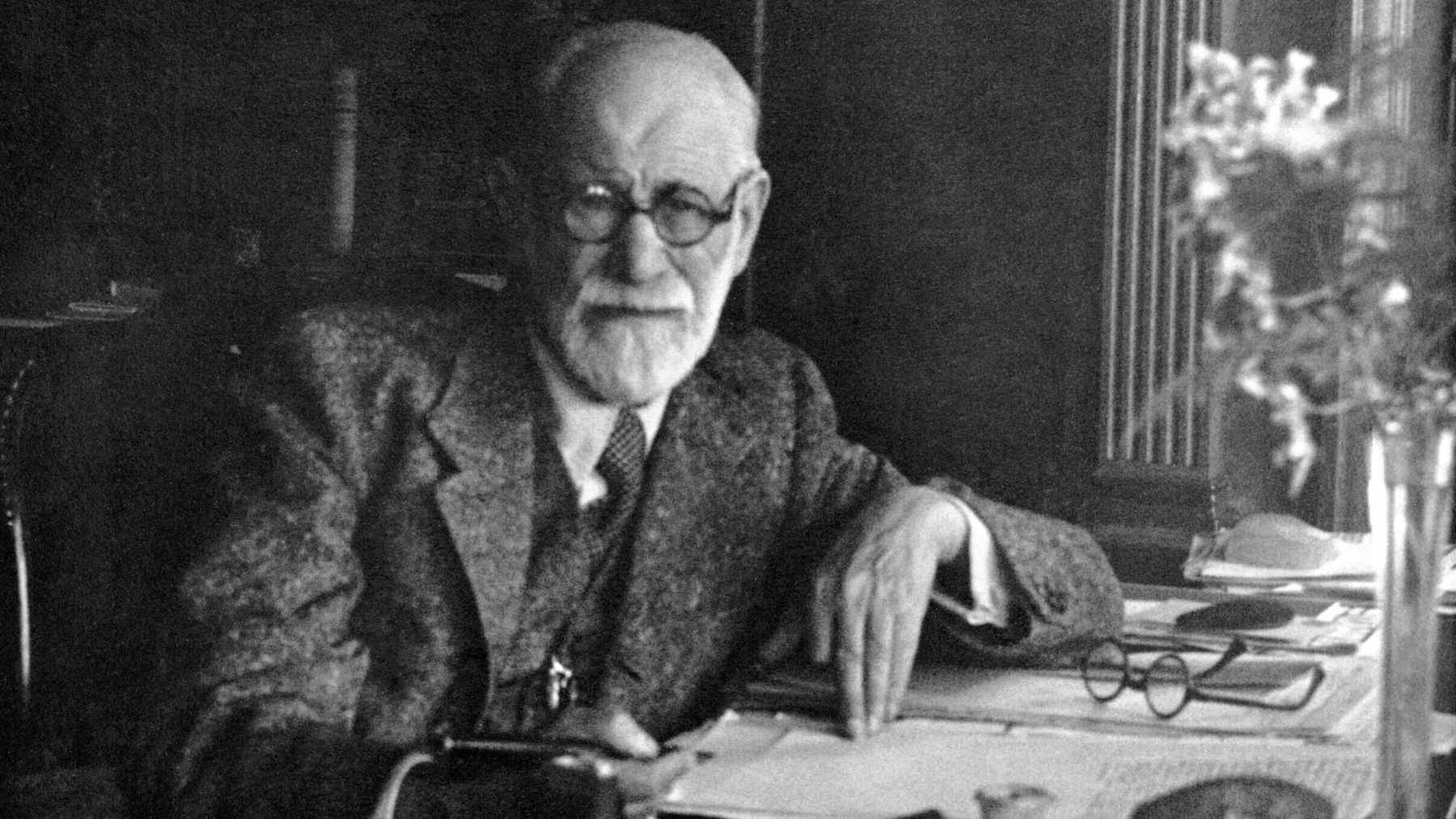
Freud was an Austrian neurologist and the founder of psychoanalysis, a theory of the mind and a method for treating mental distress through dialogue.
He was born on May 6, 1856, in Freiberg, Moravia, spent most of his life in Vienna, fled Austria after the Nazi takeover in 1938, and died in London on September 23, 1939.
His own family history mattered here. His mother, Amalie Nathansohn, has often been described as nurturing and emotionally available, and that background makes the quote read less like a slogan and more like self-analysis. What starts as a mother’s pride may later look like courage in public life.
What the quote means
Psychoanalysis is built around the idea that childhood experiences can echo for years. In simple terms, the mind stores early emotional lessons and uses them later to judge danger, love, rejection, and success.
In practical terms, that means a child who feels deeply wanted may enter the world expecting doors to open. Not every door will open, of course. But expecting a fair chance can change how a person speaks in class, applies for work, handles criticism, or starts again after a bad day.
What research says now
A 2025 meta-analysis, a study that combines earlier research, by Alexander Jensen of Brigham Young University and McKell Jorgensen-Wells of Western University looked at parental favoritism across 30 peer-reviewed articles and dissertations, along with 14 databases and 19,469 participants.
The study found that parents were more likely to favor daughters, agreeable children, and conscientious children, while older siblings often received more autonomy.
The same work warns that unequal treatment is not harmless. Children who receive less favored treatment tend to show poorer mental health and more strained family relationships. Jensen put the practical lesson plainly when he said, “It is crucial to ensure all children feel loved and supported.”
Warmth is not favoritism
A separate UCLA Health study published in 2025 helps explain the difference. Using data from more than 8,500 children in the United Kingdom, researchers found that maternal warmth at age 3 predicted a stronger sense of social safety at age 14, which then predicted better physical and mental health at age 17.
Social safety is the basic belief that other people can be safe, accepting, and supportive. Think of it as a mental weather report for relationships. If the forecast usually feels calm, a young person may be more willing to trust, ask for help, and try again after embarrassment.
The family risk
Here is the uncomfortable part. The favorite child may feel confident, but a brother or sister may feel erased. Around the dinner table, favoritism is rarely announced out loud.
It shows up in who gets extra patience, who gets believed first, and who hears the softer voice. That is why modern researchers separate warmth from unfairness. Warmth tells a child, “You matter,” while favoritism can tell another child, “You matter less.”
A modern reading
Some of Freud’s theories are now disputed, and many psychologists see parts of his work as outdated.
Still, his broader claim that early family bonds shape adult life remains hard to ignore. What has changed is the evidence, which now comes from long-term studies, large datasets, and careful comparisons.
So was Freud right about the “favorite child”? To a large extent, he was pointing at something real, the power of early emotional security. The warning for parents in 2026 is just as important, giving every child enough warmth to feel chosen without making any child feel defeated.
The main modern study discussed here has been published in Psychological Bulletin.