That “sugar-free” protein bar or diet drink can feel like the smart choice, especially when you are trying to cut calories, manage blood sugar, or stay on track with a low-carb routine. But new research from the University of Colorado Boulder suggests erythritol, a sweetener used in many keto-friendly and reduced-sugar foods, may affect cells that help protect the brain.
The study does not prove that one soda or one snack causes a stroke. Not even close. Still, it offers a possible explanation for earlier research linking higher blood levels of erythritol with greater risks of heart attack and stroke, and that is why scientists are paying attention.
What the study found
Researchers exposed human cells that line tiny blood vessels in the brain to about the amount of erythritol found in a typical sugar-free beverage. After three hours, those cells showed several changes tied to poorer blood vessel function.
The cells produced less nitric oxide, a molecule that helps blood vessels relax and widen. They also produced more endothelin-1, a protein that tightens blood vessels, which is not exactly what the brain wants when it needs steady oxygen and nutrients.
The same experiment found more reactive oxygen species, often called free radicals. In practical terms, that points to oxidative stress, the kind of cellular wear and tear researchers often watch closely when they study blood vessel disease.
Why the brain barrier matters
The blood-brain barrier is a bit like a very strict security gate. It helps keep harmful substances out of the brain while allowing essential nutrients to pass through.
We rarely think about that barrier while scanning a label in the grocery aisle. But it depends on healthy blood vessel cells, and when those cells are under stress, researchers worry that the brain’s usual protection and blood flow control may become less reliable.
There was another finding that raised concern. When the cells were challenged with a clot-forming compound, their release of t-PA, a natural clot-busting substance, was sharply reduced. “Big picture, if your vessels are more constricted and your ability to break down blood clots is lowered, your risk of stroke goes up,” said Auburn Berry, the study’s first author.
A bigger pattern
This new lab work builds on a 2023 Nature Medicine study that followed patients undergoing cardiac evaluation. In two validation groups from the United States and Europe, people with the highest erythritol levels had a higher risk of major cardiovascular events over three years than those with the lowest levels.
NIH summarized the same research by noting that people in the top 25 percent for erythritol levels were about twice as likely to have cardiovascular events as those in the bottom 25 percent. The study also found that drinking an erythritol-sweetened beverage raised blood erythritol levels for more than two days in a small group of healthy volunteers.
That does not make erythritol guilty beyond doubt. Observational studies can show links, not final cause and effect, and the new University of Colorado Boulder work was done in cells, not in a whole human body. That matters.
Why erythritol is everywhere
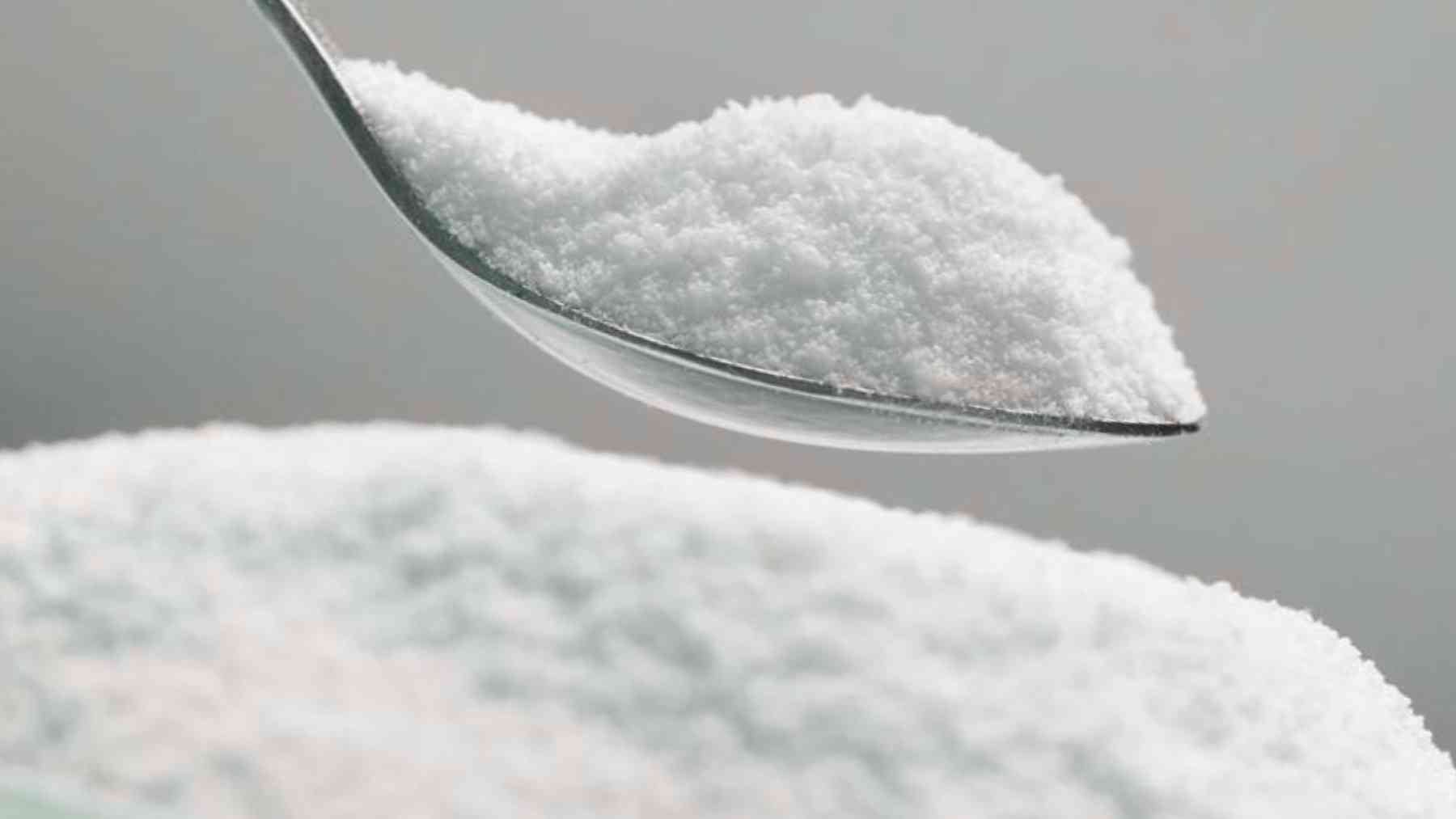
Erythritol is a sugar alcohol that occurs naturally in small amounts in foods such as grapes, peaches, watermelon, mushrooms, and some fermented products. Commercial erythritol is usually made through fermentation, and it became popular because it has almost no calories and is about 80 percent as sweet as table sugar.
That makes it useful for food companies. It can show up in sugar-free sodas, low-carb ice cream, keto snacks, protein bars, chewing gum, and tabletop sweetener blends.
The FDA has reviewed several GRAS notices for erythritol and has not questioned companies’ safety conclusions under listed conditions of use. One FDA entry describes intended uses across many foods, including baked goods, beverages, frozen desserts, candy, jams, sugar substitutes, and sauces.
The trade-off for consumers
For many people, the appeal is obvious. Cutting excess added sugar can help reduce calories, limit blood sugar spikes, and make daily eating feel more manageable.
But here is the catch. Replacing sugar with a sweetener does not automatically make a food heart-healthy, especially if that food is still highly processed. A “keto” label on a snack bar can look reassuring, but the ingredient list may tell a more complicated story.
European food safety officials re-evaluated erythritol in 2023 and found that current evidence did not show a cause-and-effect link between erythritol-containing foods and cardiovascular disease. At the same time, they said more research could help clarify associations seen in some observational studies.
What to watch on labels
The most practical advice for now is simple. Read labels, especially if sugar-free foods are part of your daily routine rather than an occasional swap.
Look for “erythritol” or the broader term “sugar alcohol.” Also check serving sizes, because a small-looking treat can turn into multiple servings pretty quickly, especially with snacks people eat in front of a screen or grab between meetings.
People with a history of stroke, heart disease, blood clots, diabetes, high blood pressure, or multiple cardiovascular risk factors may want to be more cautious and ask a clinician or registered dietitian how often these products make sense. No one needs panic. But regular use deserves a second look.
Sweetness without the shortcut
The broader lesson is not that sugar is suddenly harmless. Too much added sugar is still a problem, and most Americans do not need more of it in their daily routine.
But the healthiest move may be lowering the overall sweetness of the diet, not hunting for a perfect substitute. Unsweetened drinks, whole fruit, plain yogurt with berries, cinnamon, vanilla, or smaller portions of sweet foods can be less flashy than a sugar-free label, but they are often easier for the body to understand.
At the end of the day, erythritol may remain useful for some people in limited amounts. The trouble is that “natural” and “sugar-free” do not always mean risk-free, and this study adds one more reason to treat sweeteners as tools, not everyday health insurance.
The full study was published in the Journal of Applied Physiology.