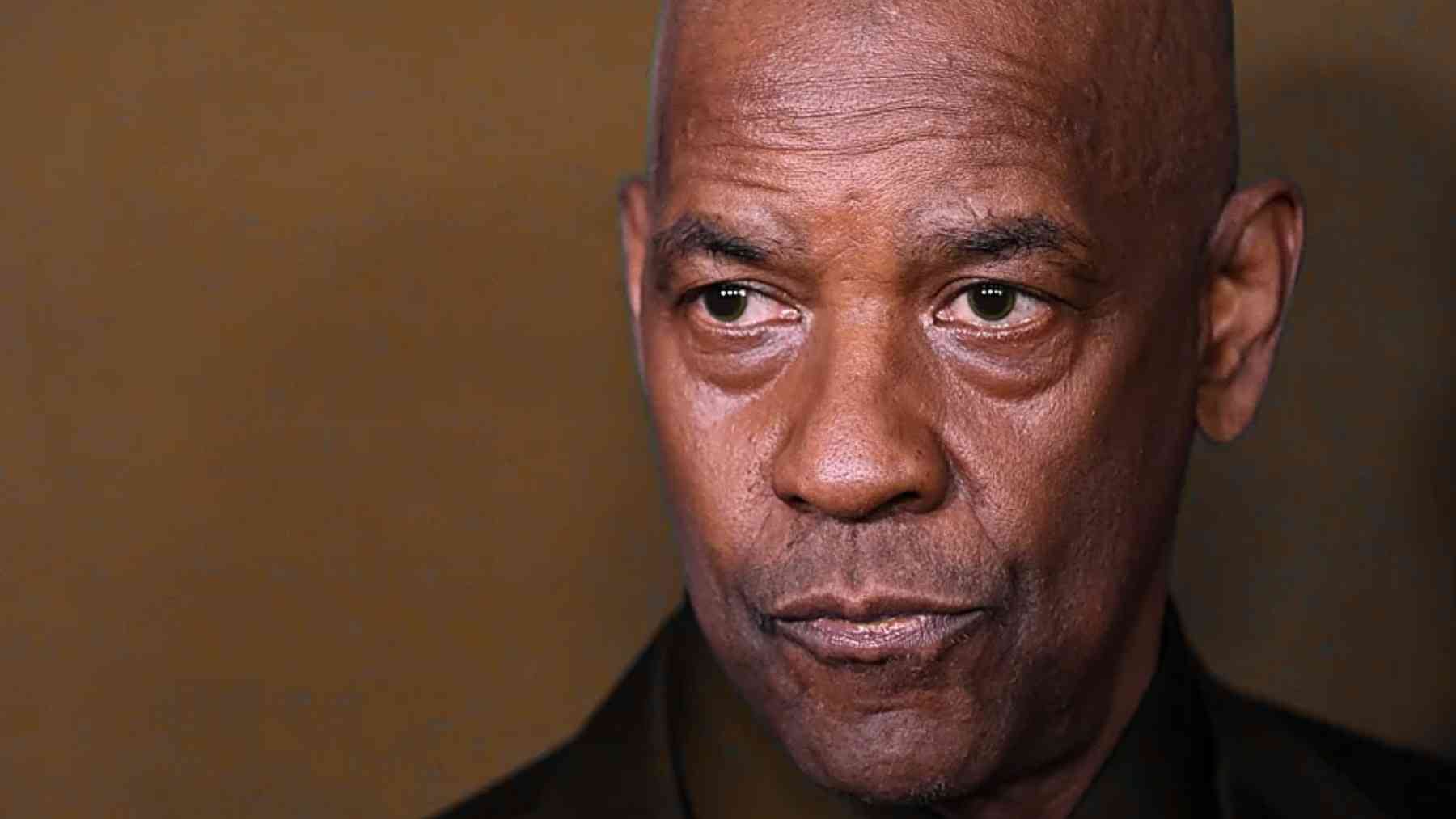
“When you pray for rain, you have to deal with the mud, too. That is a part of it.” The line, delivered by Robert McCall in “The Equalizer” and often tied to Denzel Washington because of the force he brings to it, has traveled far beyond the movie screen. It lands because it says something many people learn the hard way.
Success, healing, and personal change rarely arrive clean and easy. Whether someone is trying to improve their health, rebuild after stress, start exercising, get more sleep, or make a hard career move, the “mud” is usually part of the process. That is not a reason to quit. It is a reason to prepare.
Why the quote hits home
Washington, born in Mount Vernon, New York, has built a career known for discipline, intensity, and roles that often explore moral pressure. The Academy notes he won Oscars for “Glory” and “Training Day,” while Britannica lists honors including a Tony Award and the Presidential Medal of Freedom.
But the quote matters here because it turns a big wellness idea into plain language. Wanting the rain means wanting growth, relief, opportunity, or change. The mud is the discomfort that follows, such as fatigue after a new workout, awkward conversations in therapy, or the messy first weeks of changing habits.
That is everyday health, not Hollywood glamour. The first salad after years of takeout does not fix everything. The first walk after a long slump may feel more frustrating than inspiring. Still, it counts.
Resilience is not pretending
Mental health experts do not describe resilience as never feeling stress. The American Psychological Association defines it as adapting to difficult or challenging life experiences through mental, emotional, and behavioral flexibility. In practical terms, resilience is not a stone wall. It is more like a muscle that learns how to bend without breaking.
That distinction matters. Many people hear “be resilient” and think it means swallowing pain, staying quiet, or powering through no matter what. But experts warn that chronic stress can worsen health problems, sleep, concentration, and mental health conditions, according to the CDC.
So what should a person do with the mud? Notice it. Name it. Then build a plan around it instead of acting surprised when it shows up.
The body keeps score
Stress is not only an emotion. It can show up as headaches, stomach trouble, sleep problems, appetite changes, anger, worry, or numbness. Anyone who has carried work stress into a grocery store line or snapped over something small at home knows how quickly pressure spills into ordinary life.
The CDC says learning healthy ways to cope can help reduce stress, and small daily steps can have a big impact. That sounds simple, maybe too simple, but simple is often where the best habits begin.
A 30-minute walk, for example, is not a magic cure. Still, the National Institute of Mental Health says 30 minutes of walking each day can boost mood and improve health, and even smaller bits of movement add up. A walk around the block can be a reset button, especially when the mind feels crowded.
Self-care needs structure
Self-care is often sold as candles, face masks, and a quiet hour nobody interrupts. Nice when it happens. But real self-care is usually less polished than that.
NIMH describes self-care as taking time to do things that help you live well and improve both physical and mental health. That includes regular meals, hydration, sleep, relaxing activities, setting priorities, practicing gratitude, and staying connected with supportive people.
In other words, “dealing with the mud” may look boring from the outside. It can mean going to bed on time, saying no to an extra task, drinking water before another coffee, or texting a friend instead of disappearing for three days. Small choices. Big difference.
Sleep and support matter
When life gets messy, sleep is often the first thing people sacrifice. We scroll, worry, work late, or replay conversations that already ended. Then the next day arrives, and the mud feels deeper.
NIH guidance says adults need seven or more hours of sleep each night, and it recommends regular exercise, a social support network, priorities, self-compassion, and relaxing activities to help manage stress. It also notes that long-lasting stress can become harmful rather than helpful.
Support matters too. The CDC says social connection can improve the ability to manage stress, anxiety, and depression, and can also support healthier eating, physical activity, and sleep. That does not mean everyone needs a huge social circle. Sometimes one steady person is enough to help you keep moving.
When the mud is too much
There is a difference between a difficult season and a mental health concern that needs professional care. The mud should not be romanticized. Not all suffering is useful, and not every hard stretch can be fixed with a walk and a positive attitude.
NIMH advises seeking professional help when severe or distressing symptoms last two weeks or more, including trouble sleeping, appetite changes, difficulty getting out of bed, trouble concentrating, loss of interest, or inability to complete usual tasks. That is an important line.
A person can be strong and still need help. Actually, asking for help is often one of the clearest signs that someone is taking their health seriously.
What the quote teaches
Washington’s rain-and-mud line works because it does not sugarcoat ambition. It says the good thing and the hard thing may arrive together. A healthier body may come with sore muscles. A calmer mind may require uncomfortable honesty. A better routine may disrupt the easy habits that once felt safe.
At the end of the day, that is the heart of resilience. Not perfection. Not constant confidence. Just the willingness to keep choosing the next healthy step, even when the ground is messy.
The official guidance was published on the Centers for Disease Control and Prevention website.