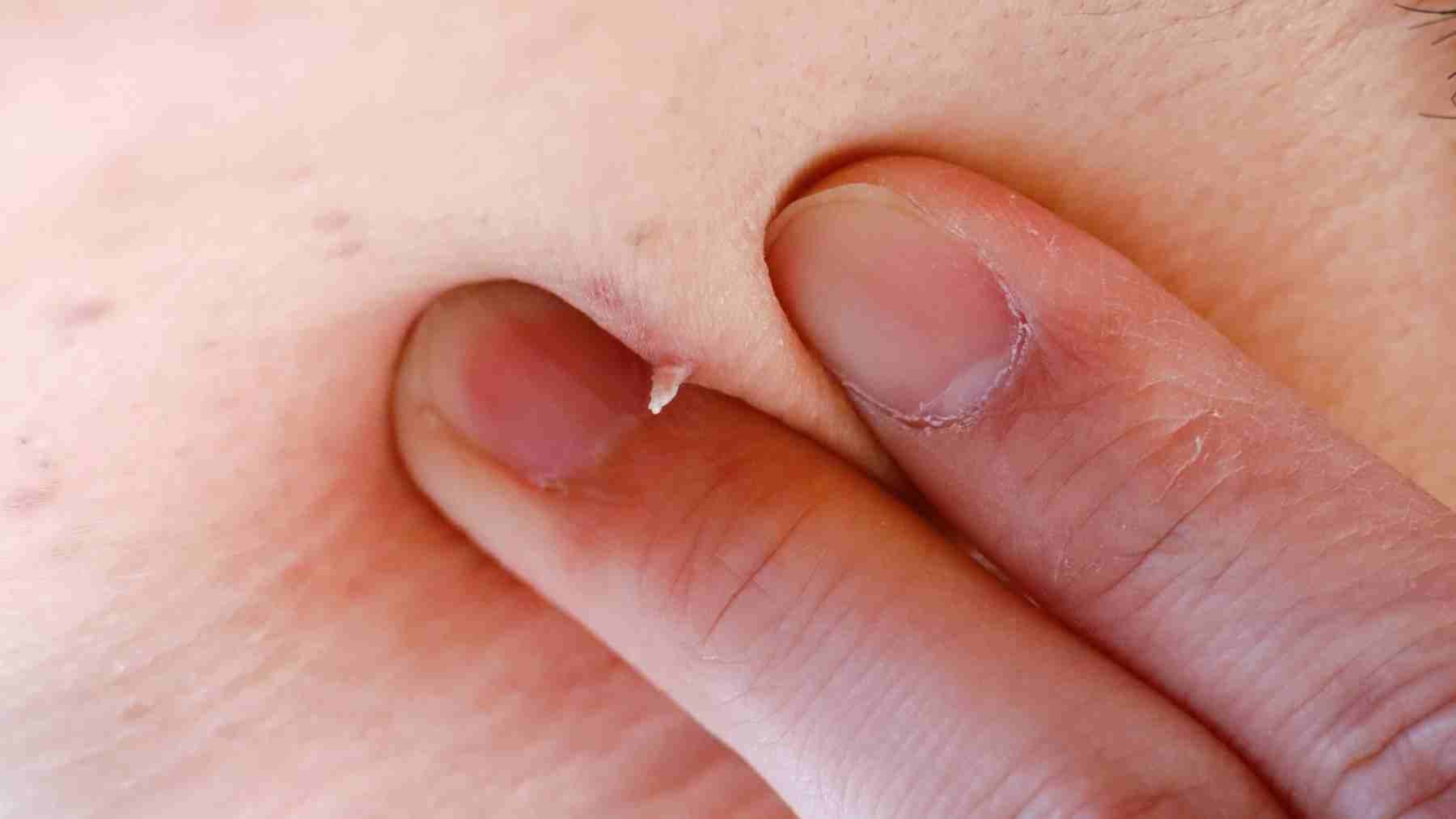
A small rough bump on your neck can feel like it has a spotlight on it. You notice it when you shave, when a shirt collar rubs, or when you see it in a photo and cannot unsee it. No wonder people keep searching for quick ways to remove neck warts.
The reality is more boring, and that is good news. Most neck warts are harmless and may fade with time, while the best at-home treatments need patience and consistency. Research and medical guidance point to a simple plan, start low-risk and step up only if you have to.
Is it really a wart
A wart is a small growth in the epidermis, the outermost layer of skin, usually caused by a virus. It often feels rough and raised, and some have tiny dark dots that doctors often describe as clotted blood vessels.
Warts can spread through contact, but not everyone exposed will develop one. That is why two people can touch the same surface and get different results, depending on cuts, friction, and immune response.
The neck is also a common place for lookalikes, including skin tags and moles. If a spot is changing quickly, bleeding, painful, or oddly colored, the safest move is to get it checked before trying home chemicals or freezing. Treating the wrong bump can leave a scar and still not solve the problem.
Why neck warts show up and spread
Most skin warts are linked to human papillomavirus, a large family of viruses that can infect skin cells. The Centers for Disease Control and Prevention notes that more than 200 types of HPV have been identified, and many types can cause common skin warts.
The neck adds a daily-life twist, friction. Shaving nicks, necklace chains, hoodie strings, and collars can irritate skin and make it easier for virus particles to move around. Picking at a wart can also spread it to nearby spots, which is frustrating but common.
Waiting is a real option
This is the advice nobody wants to hear, but it is often true. One clinical evidence review reports that about half of skin warts clear on their own within one year, and around two thirds clear within two years. That same review also found that salicylic acid cleared more warts than placebo over several weeks, and freezing treatment often works after a few office visits, though results vary.
So why treat them at all. For many people it is about comfort or confidence, not danger, since most warts are benign. On the neck, a wart can get irritated by shaving or constant collar friction, and that is when “just wait” stops feeling realistic.
The at-home option with the best evidence
If you want to treat at home, salicylic acid is usually the first place doctors start. It works by slowly stripping away layers of the wart, which is why it takes time. Consistency matters more than almost anything else.
Over-the-counter wart removers in the United States are regulated by the Food and Drug Administration, including which strengths can be sold in different forms. Federal rules list salicylic acid ranges, from lower-strength solutions to higher-strength patch-style products.
Technique is where many people miss out on results. Common instructions include softening the wart in warm water, gently removing dead skin, applying the product only to the wart, and repeating for weeks. If the surrounding skin gets very sore or raw, pausing can be smarter than pushing through.
Duct tape is a maybe, not a magic trick
Duct tape keeps popping up because it feels simple and low stakes. The best-known early study was led by pediatrician Dennis Focht and published in JAMA Pediatrics in 2002, reporting better clearance with duct tape than with freezing treatment in children.
But later research did not line up as neatly. A Cochrane review of topical treatments reported that trials using clear duct tape did not show a clear benefit, and overall evidence for tape alone was limited.
That is why many clinicians treat tape as an add-on cover over salicylic acid, not a standalone cure. It may help protect the area from rubbing and keep medication in place. Used alone, it is much less reliable than the internet makes it sound.
When to move to an office visit
If you have been consistent with at-home treatment and the wart is not improving, an office visit can be worth it. This is also a smart move if you have many warts, a weakened immune system, diabetes, or you are not sure the bump is actually a wart. A correct diagnosis is often the real shortcut.
Freezing treatment, also called cryotherapy, uses liquid nitrogen to destroy wart tissue so it blisters and falls off over time. It can be uncomfortable, and it may take more than one session. Color changes and scarring are possible, especially on sensitive skin.
Another option is electrosurgery with curettage, which means numbing the skin, destroying wart tissue with electric current, and scraping away what remains. It can work quickly, but it also carries a higher risk of scarring or color change, which matters on a visible area like the neck. Trying to cut off or burn off a growth at home can also lead to bleeding and infection, so this is one place where caution pays off.
The main official guidance on wart treatment and when to seek medical care has been published by the American Academy of Dermatology.