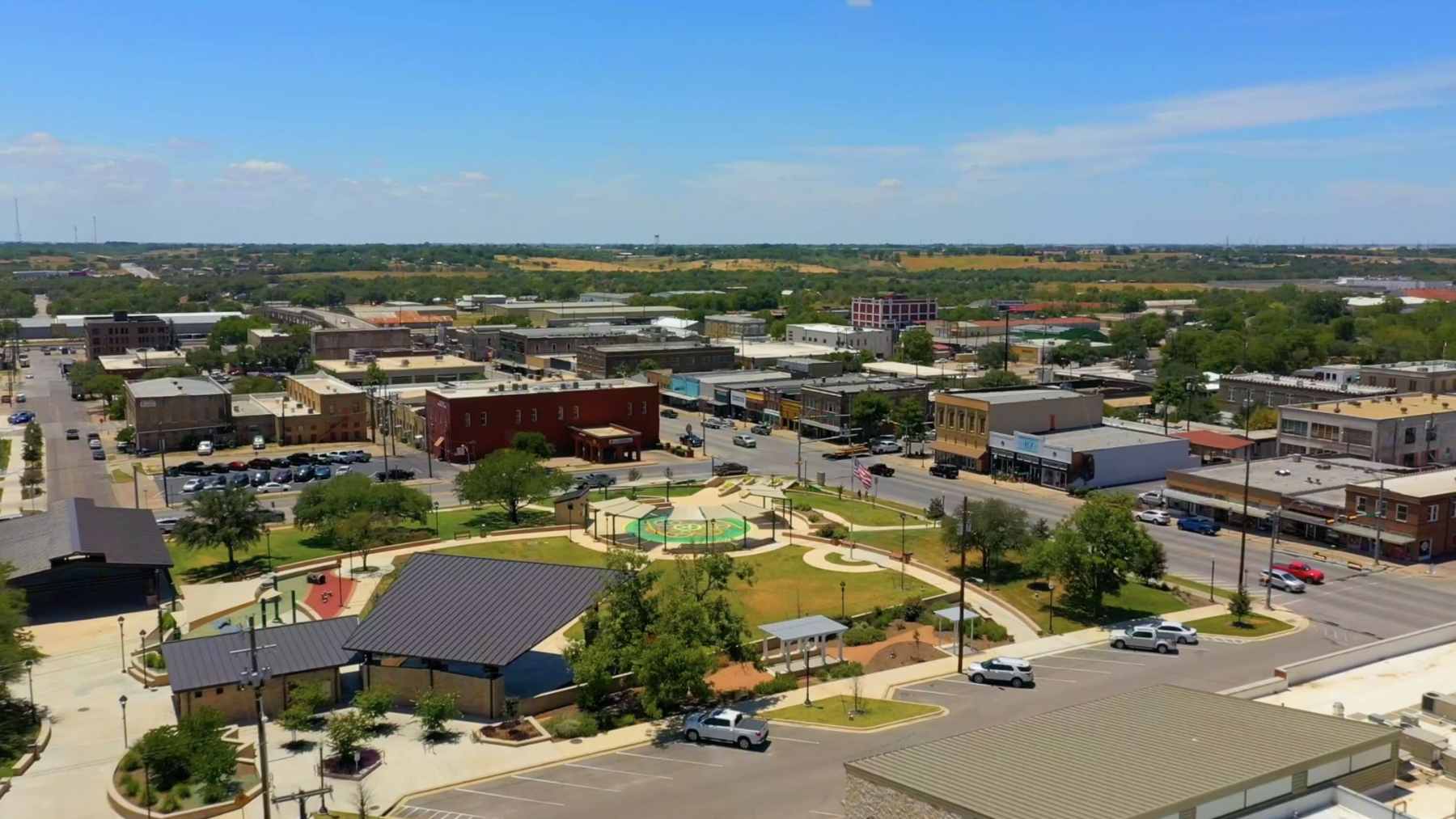
What happens when land once meant for children to play on becomes part of America’s fast-growing AI infrastructure? In Taylor, Texas, that question is no longer theoretical.
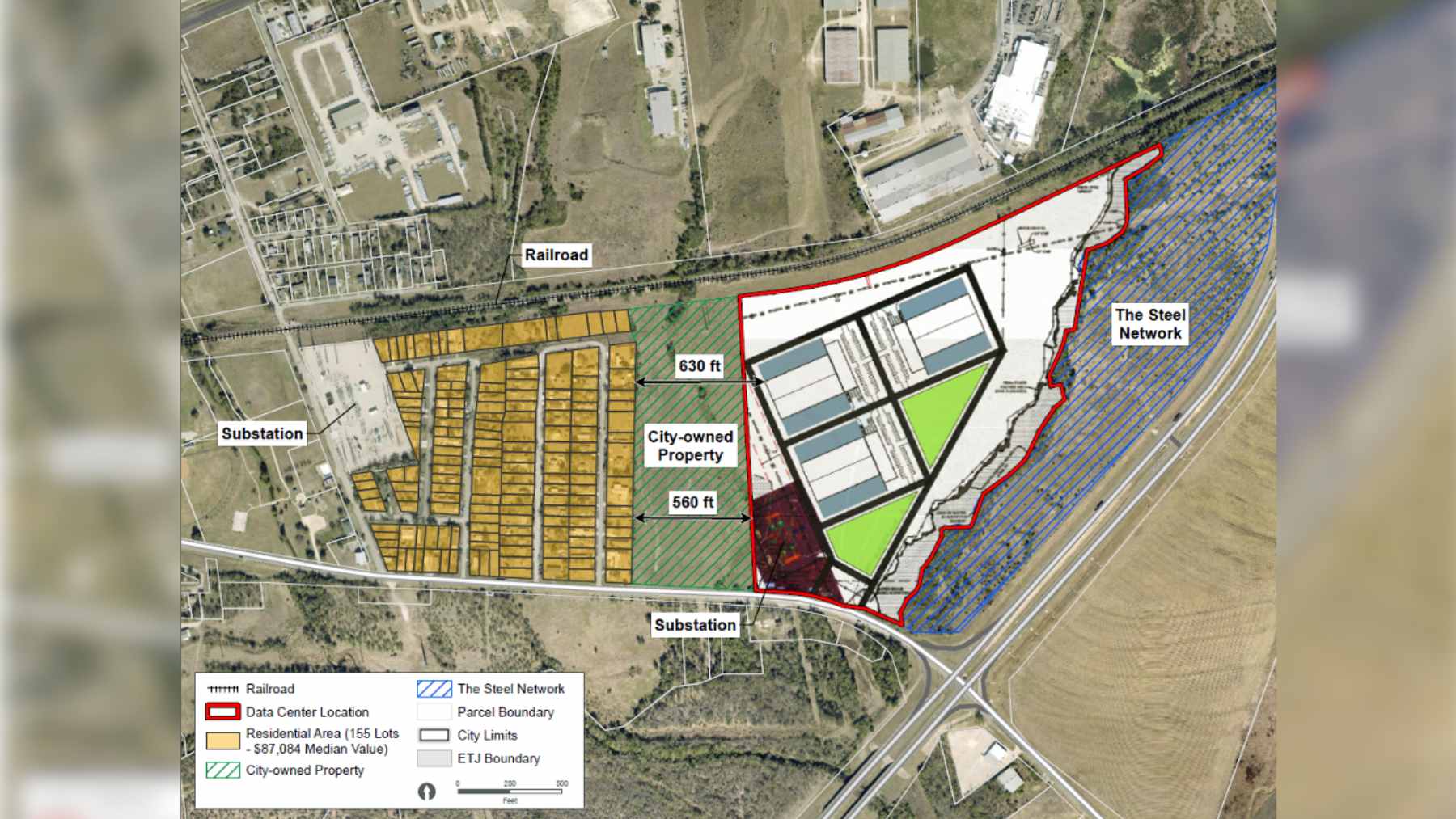
A tract tied to a 1999 parkland promise was later sold for $10 million to BPP Projects LLC for a proposed 135,000 ft.² Blueprint Projects Data Center, a development the city says represents a total investment of $1 billion.
The fight has now become about much more than one property. It touches on green space, neighborhood trust, electricity demand, water use, tax revenue, and the speed at which data centers are moving into American towns.
For nearby residents, the issue feels simple enough: a place once associated with open land and family memories may soon be filled with servers, backup generators, and a private electrical substation.
A $10 transfer with a long shadow
Back in 1999, the Bland family transferred the land to the Texas Parks and Recreation Foundation for $10. According to Taylor’s own project history, the deed notes said the property was to be held in trust for future use as parkland by Williamson County, Texas, although the city says that note “was not a deed restriction.”
That detail now sits at the center of the dispute. To the city, the later documents and zoning history matter. To residents, the original purpose still carries moral weight, even if the legal path has become much harder to challenge.
The land changed hands more than once. Taylor’s timeline says it went to the Williamson County Park Foundation in 2003, then to the City of Taylor later that year, then to the Taylor Economic Development Corporation in 2008 in exchange for 39 acres elsewhere and $15,000. In April 2025, the property was sold to the developer for $10 million.
The data center plan
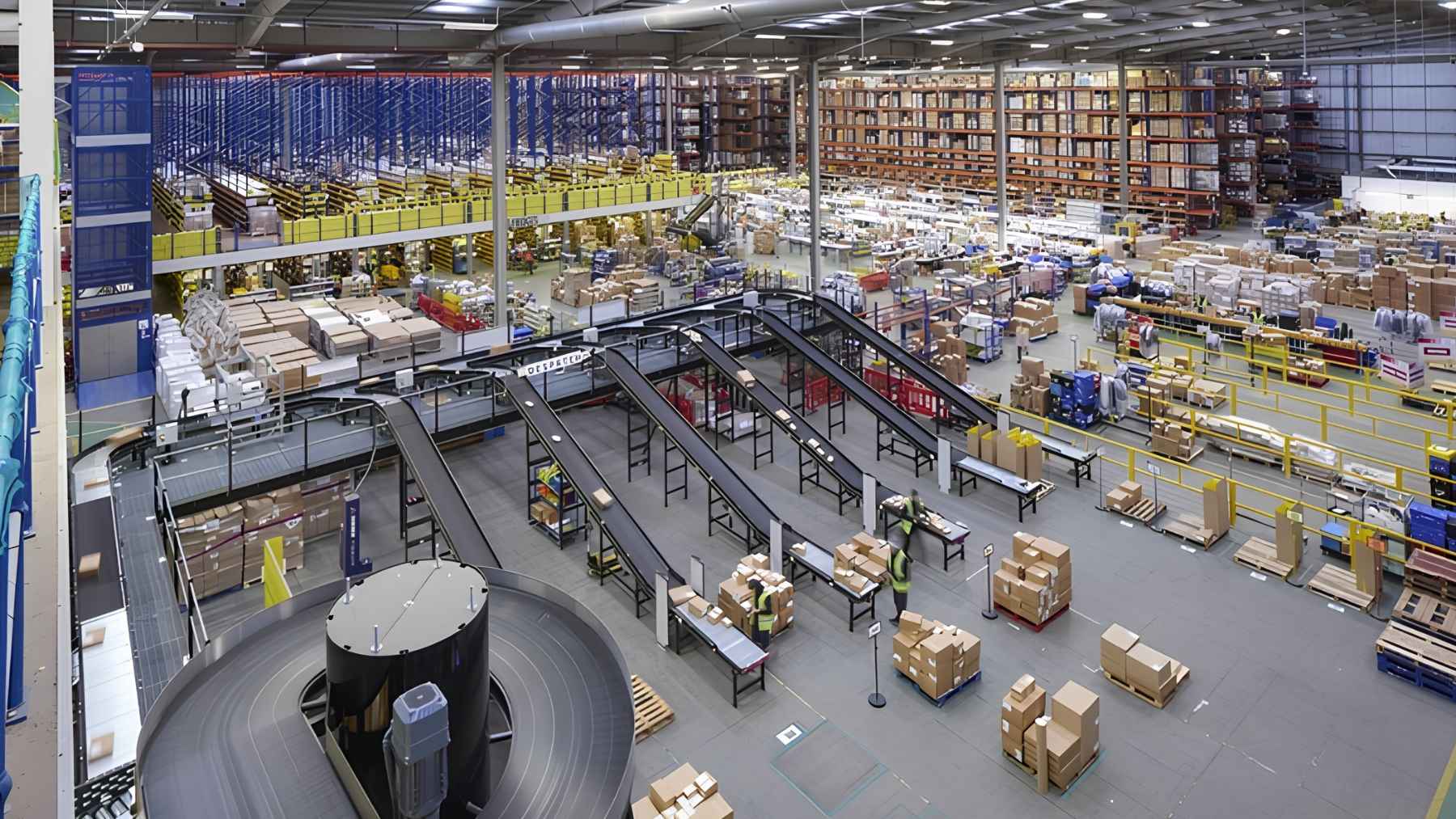
The proposed facility is not a small server room tucked behind an office park. Taylor says the Blueprint Projects Data Center is planned in three phases and would house servers used for data storage, website hosting, artificial intelligence processing, and other digital services.
The city says it would include three buildings, an electric substation, backup generators, and a closed-loop cooling system.
That may sound technical, but in practical terms it is a large industrial-style building near homes. Residents have raised concerns about noise, light, electromagnetic fields, water contamination, air pollution, and property values, according to the city’s own summary of community feedback.
The city’s response is that the project must meet local standards. Taylor says the cooling system is expected to use minimal water because it is closed-loop, and that the developer has coordinated with Oncor and paid for the substation so the project does not affect the existing electric supply system.
Money versus memory
There is a business case here, and Taylor is not hiding it. The city says it expects as much as $30 million in total additional revenue over the next 10 years, money that could reduce property taxes and support streets, sidewalks, parks, and city services.
The school district projects as much as $20 million that could be used for facilities, teacher wages, and education improvements.
That is a lot of money for a local government, but it is exactly why the controversy feels so raw. At the end of the day, residents are being asked to weigh a promised public benefit against the loss of land many believed had already been promised to the public.
Some neighbors have not accepted that trade-off. FOX 7 Austin reported that opponents delivered a citizen ordinance and petition with 14,000 signatures to the Taylor City Council, seeking new limits on data centers until the city adopts a dedicated digital infrastructure zoning district.
The legal fight
The legal fight has already hit setbacks for opponents. A state district judge dismissed a lawsuit in October 2025 after nearby residents tried to stop commercial development on the site, with KUT reporting that the judge agreed the residents lacked standing. The judge also denied a temporary injunction that would have paused the project.
Still, the case did not end there. Chron reported that the plaintiffs appealed the decision to Austin’s Third Court of Appeals, keeping the dispute alive even as the project continues to move through public debate.
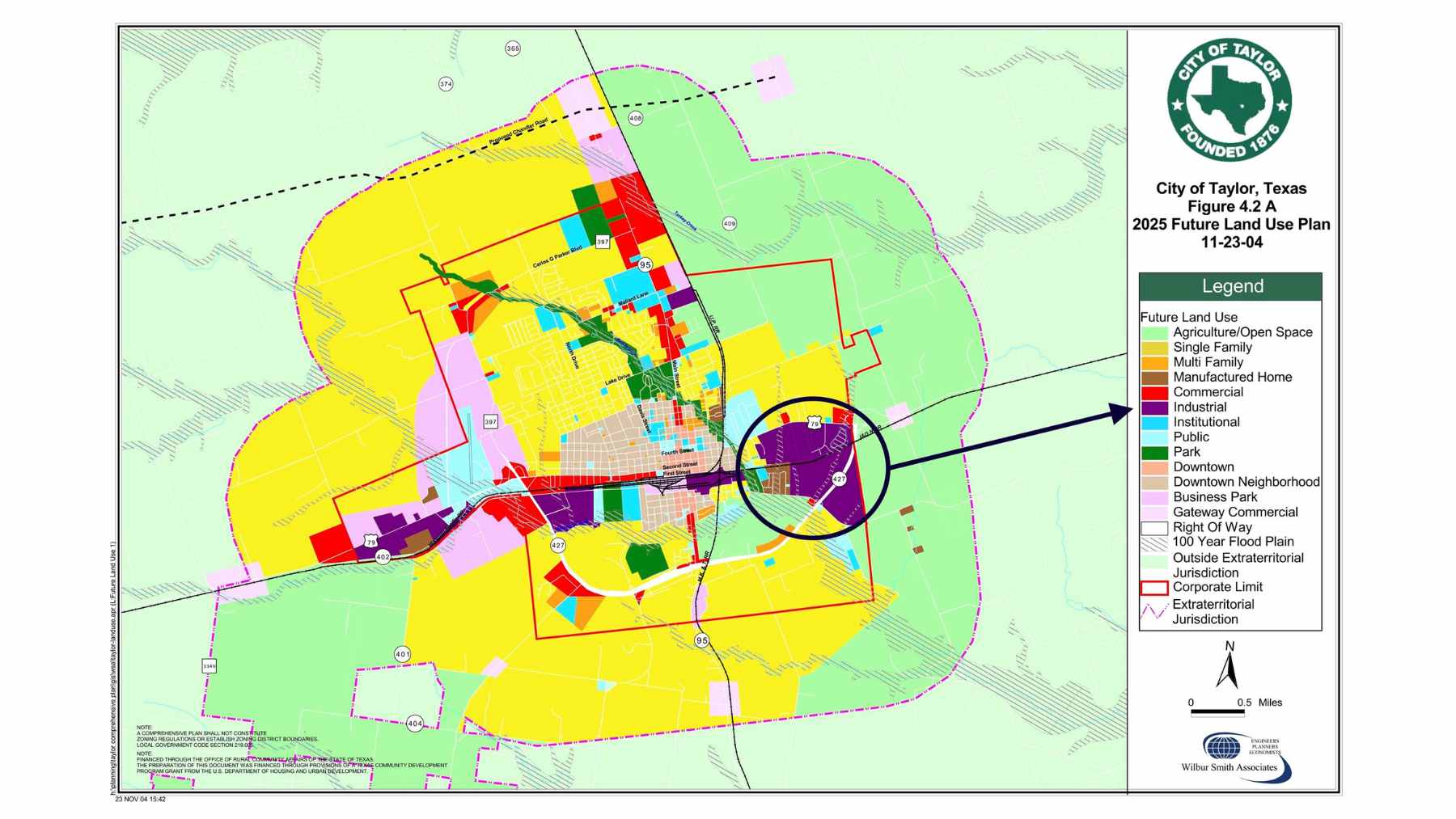
Taylor’s position leans heavily on zoning. The city says the property has been zoned industrial since as far back as 2005 and was later designated “Employment Center” when the land development code was updated in 2023.
In the city’s explanation, that category covers job-creation centers and building forms that do not fit downtown commercial or housing areas.
Why this local fight matters
This is not just a Taylor story. Across the United States, AI and cloud computing are pushing data centers into the center of energy and land-use debates. The Department of Energy said data centers consumed about 4.4% of total U.S. electricity in 2023 and could consume between 6.7% and 12% by 2028.
That growth is one reason people are paying attention to projects that once might have passed with little notice. A data center can look quiet from the outside, but it needs power, cooling, backup systems, land, roads, and local approval. And when it lands near homes, the question quickly becomes personal.
So what should residents keep in mind? The Taylor project is officially framed as a major economic development deal with environmental safeguards. But for many neighbors, the bigger concern is trust.
If land associated with a park promise can become a data center decades later, what other local commitments can change when technology and tax revenue arrive?
A warning for fast-growing towns
Taylor’s dispute shows how old land decisions can collide with new infrastructure demands. AI does not live only in apps or chat windows. It lives in buildings, behind fences, on real streets, near real homes.
That is why this case is likely to resonate beyond one Texas city. The next wave of data centers will not only test electric grids and water planning. It will also test whether local governments can balance growth with memory, law with trust, and economic ambition with the everyday spaces communities thought they had protected.
The official project statement was published on City of Taylor.