High blood pressure is one of those health problems that can feel invisible until it becomes dangerous. For many people, pills, diet changes, and regular checkups help keep the numbers under control. But what happens when several medications are still not enough?
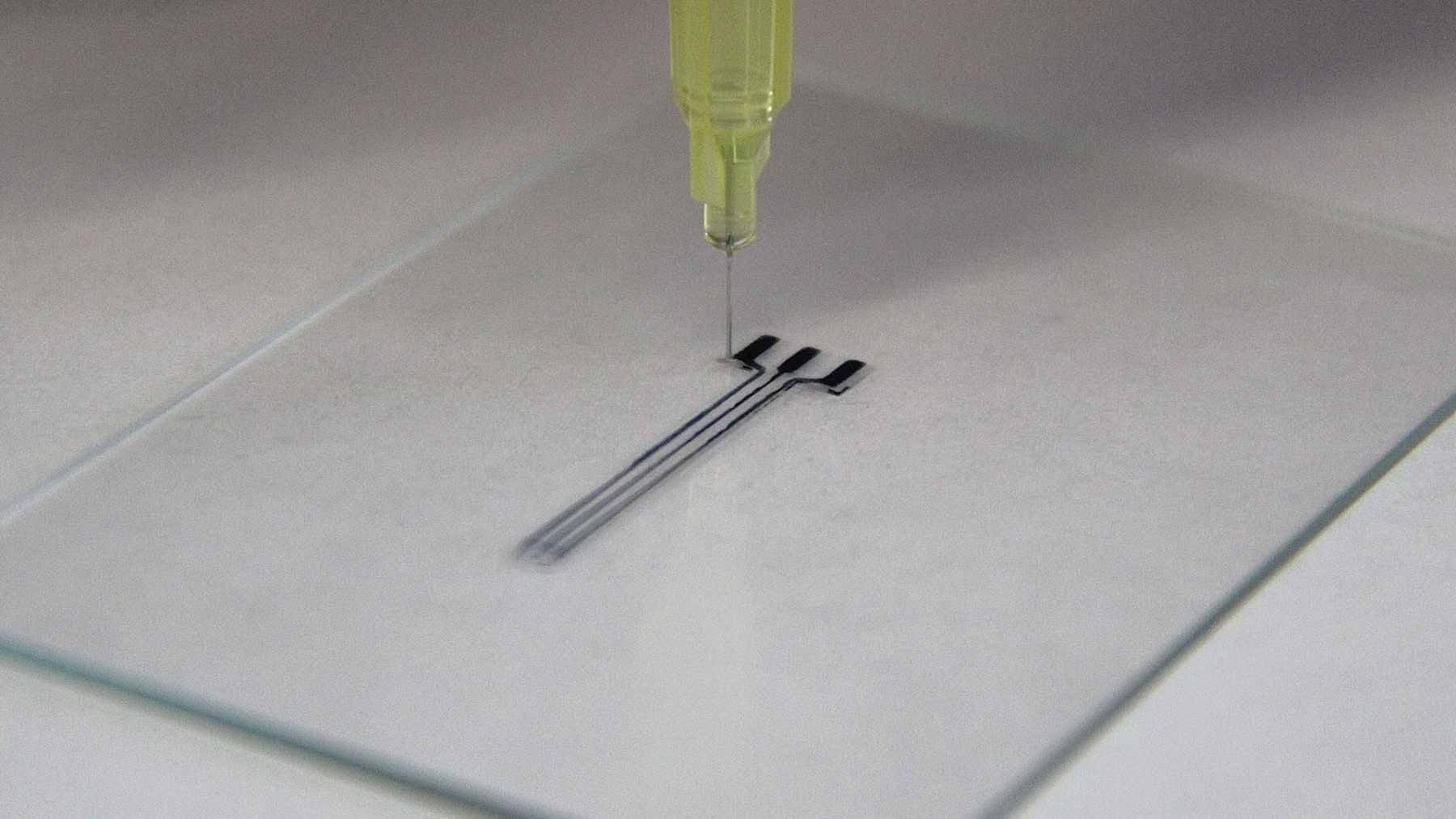
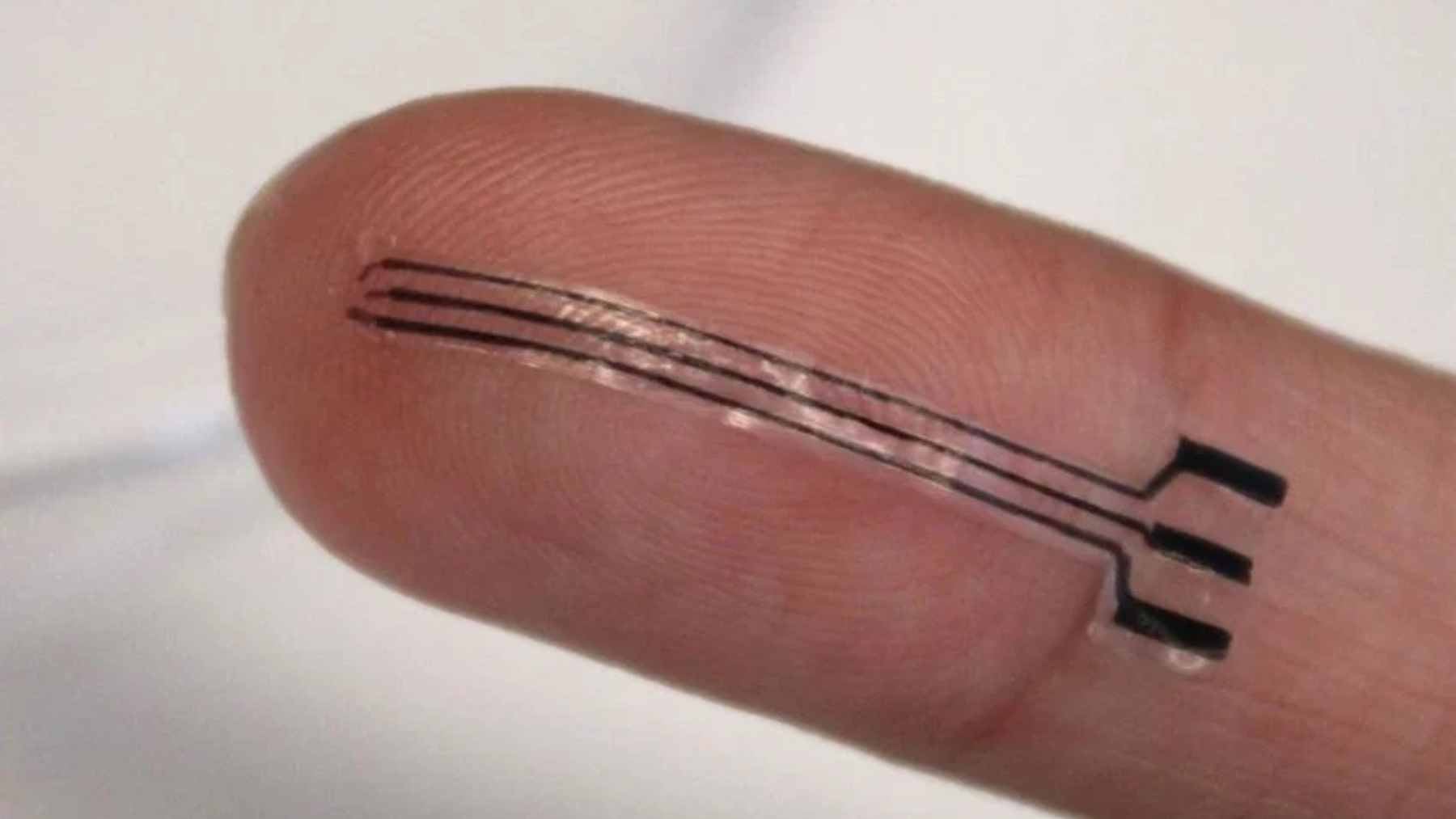
Engineers at Penn State have developed a soft, 3D printed implant called “CaroFlex” that lowered blood pressure in early rodent tests by gently stimulating the body’s own pressure control system.
The device is still far from hospital use, but it points to a future where some hard-to-treat patients may get help from flexible bioelectronics instead of relying only on more medication.
A tiny device for a huge problem
More than a third of U.S. adults have hypertension, according to Million Hearts, a CDC and HHS initiative. That is about 119.9 million people, which helps explain why even small advances in treatment can attract serious attention.
The harder group is made up of patients with drug-resistant hypertension. Penn State says roughly 1 in 10 people with high blood pressure fall into that category, meaning standard treatment does not work well enough.
“For many patients, even taking a combination of three to five medicines doesn’t alleviate their high blood pressure,” said Tao Zhou, assistant professor of engineering science and mechanics at Penn State. That is where bioelectronic therapy starts to look interesting, at least in theory.
How CaroFlex works
CaroFlex is designed to sit near the carotid sinus, a sensitive area of the carotid artery in the neck. This region contains baroreceptors, tiny nerve endings that help detect changes in blood pressure and send signals to the brain.
In practical terms, the body already has a built-in pressure monitor. When blood pressure rises, the baroreflex helps adjust heart rate and blood vessel tension to bring it back down.
The Penn State device tries to tap into that natural system. It delivers low-frequency electrical pulses to the area, nudging the baroreflex rather than adding another chemical medication into the bloodstream.
Why soft materials matter
Many implantable bioelectronic devices are made from rigid metals and plastics. That can be a problem when the target is an artery, because arteries expand and contract every time the heart beats.
CaroFlex takes a softer route. The team 3D printed the device mostly from hydrogel, a jelly-like material that can stretch and move more like living tissue. Conductive hydrogels act as the electrodes, while adhesive hydrogels help the implant stick directly to biological tissue.
That adhesive part matters more than it may sound. Traditional devices often need stitches to stay in place, but sutures can irritate tissue over time as the artery keeps moving. It is a small design detail with a very practical goal.
What the early tests showed
Before animal testing, the team checked how the device handled stretching and electrical performance in the lab. CaroFlex could stretch to more than twice its original size before breaking, and its adhesive film kept working even after six months of storage, according to Penn State.
Researchers then compared the device with traditional platinum bioelectrodes. CaroFlex maintained closer contact with tissue and provided a more reliable electrical connection, the university reported.
In rat models, the device was implanted near the carotid sinus and tested during short stimulation windows. Four of the five electrical settings reduced active blood pressure by more than 15% on average.
Less irritation, but still early
The results also suggested that the soft implant may be easier on surrounding tissue. Two weeks after implantation, researchers found that tissues in contact with CaroFlex appeared clean and free of major damage or immune response, according to Penn State.
That is encouraging, but it is not the same as proving the device is safe and effective in people. Rats are an important first step, not the finish line.
The bigger question is whether CaroFlex can keep working over longer periods in larger animals and, eventually, in human patients. Medical devices have to survive movement, moisture, immune response, and years of daily use. That is a lot to ask from anything placed inside the body.
Why 3D printing could change the path
The 3D printed design is not just a manufacturing trick. It could make it easier to customize bioelectronic implants for different tissues, artery shapes, or medical needs.
At the end of the day, what Penn State is trying to do is solve a fit problem. A stiff implant attached to a soft, moving artery is never going to be a perfect match. A stretchy, adhesive device has a better shot at moving with the body rather than fighting against it.
That could matter beyond blood pressure. If the approach keeps improving, similar soft electronics may one day be adapted for other chronic conditions where electrical signals can influence how the body responds.
What comes next
Penn State says the team plans to refine the implant and scale up the approach before moving toward larger animal studies and possible clinical trials. That next stage will be crucial.
For patients, the near-term takeaway is simple. CaroFlex is not available as a treatment, and nobody should see it as a replacement for prescribed blood pressure medicine today.
Still, the early work is a reminder that the future of medicine may not be only about better pills. Sometimes, it may come from tiny devices that listen to the body’s own signals and give them a gentle push in the right direction.
The study was published in Device.