What happens when solar panels produce plenty of electricity at noon, but homes, factories, and air conditioners need power later in the day? Portugal is offering one answer in the mountains of the country’s north, where water, dams, and pumping have been turned into a massive storage system.
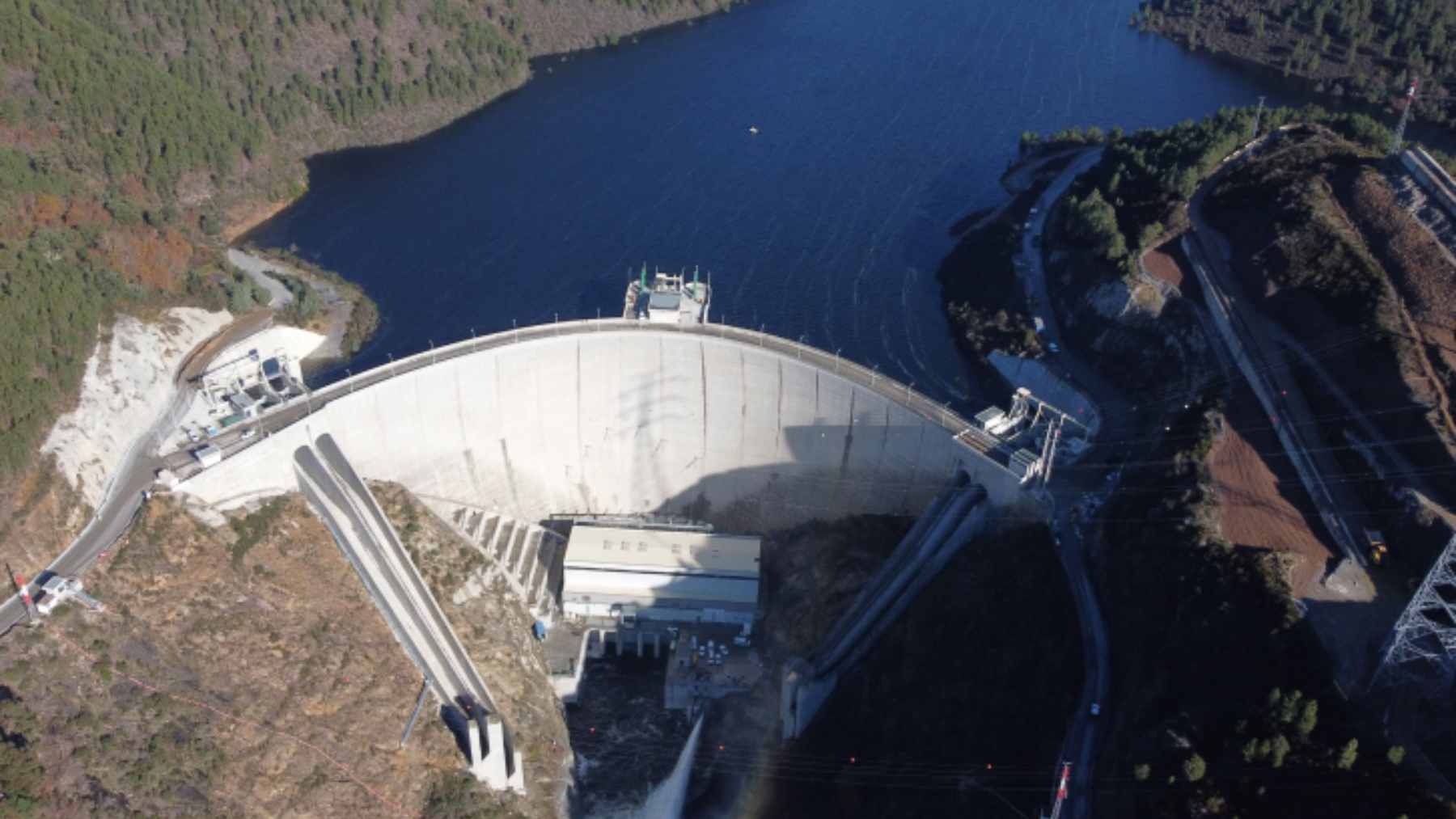
The Tâmega complex, developed by Iberdrola, brings together three hydroelectric plants named Gouvães, Daivões, and Alto Tâmega. With 1,158 MW of installed capacity and more than €1.5 billion ($1.75 billion) in investment, it has become one of Europe’s most important examples of large-scale renewable energy storage.
A battery made of water
The idea sounds simple, but the engineering is anything but. When electricity is available, water can be pumped uphill and stored at a higher elevation. When the grid needs power, that water flows back down through turbines and generates electricity again.
That is why the Tâmega project is often described as a “giga battery.” It does not store energy in lithium cells, like a phone or an electric car. It stores it in height, gravity, and water, using the geography of northern Portugal as part of the technology.
Why storage matters
Solar and wind power are growing because they can cut pollution and reduce the need for fossil fuels, but they have a practical problem we all understand. The sun does not shine at night, and the wind does not always blow when the electric bill is climbing.
That’s where pumped storage becomes useful. Iberdrola says the Tâmega complex can store 40 million kWh, equivalent to the energy consumed by 11 million people over 24 hours in their homes.
The company also says the complex can produce 1,766 GWh a year, enough to meet the needs of nearby towns and the cities of Braga and Guimarães, covering about 440,000 homes.
More than three dams
The project is not only about hydropower anymore. Iberdrola’s latest official update says the company has begun commissioning the Tâmega Norte wind farm, part of a larger wind-hydro system connected to the same complex. The company describes it as the “first grid-connected wind-hydro hybrid project on the Iberian Peninsula.”
In practical terms, wind and water can work together instead of competing for space on the grid. When the wind is strong, turbines can feed electricity into the system. When conditions change, the pumped-storage hydropower system can help balance supply and demand.
The business case
Big storage is no longer a side issue in the clean energy race. It is becoming part of the core business model, especially as countries add more solar panels, wind farms, data centers, and electrified transport. Power that cannot be stored is power that may be wasted, or at least harder to use at the right moment.
Tâmega shows how expensive that shift can be. The hydroelectric complex alone required more than €1.5 billion, while the two associated wind farms involve a total investment of €346 million ($400 million), according to Iberdrola’s May 2026 update. Tâmega Norte is expected to have 195 MW of capacity, while Tâmega Sul is still under construction.
The environmental angle
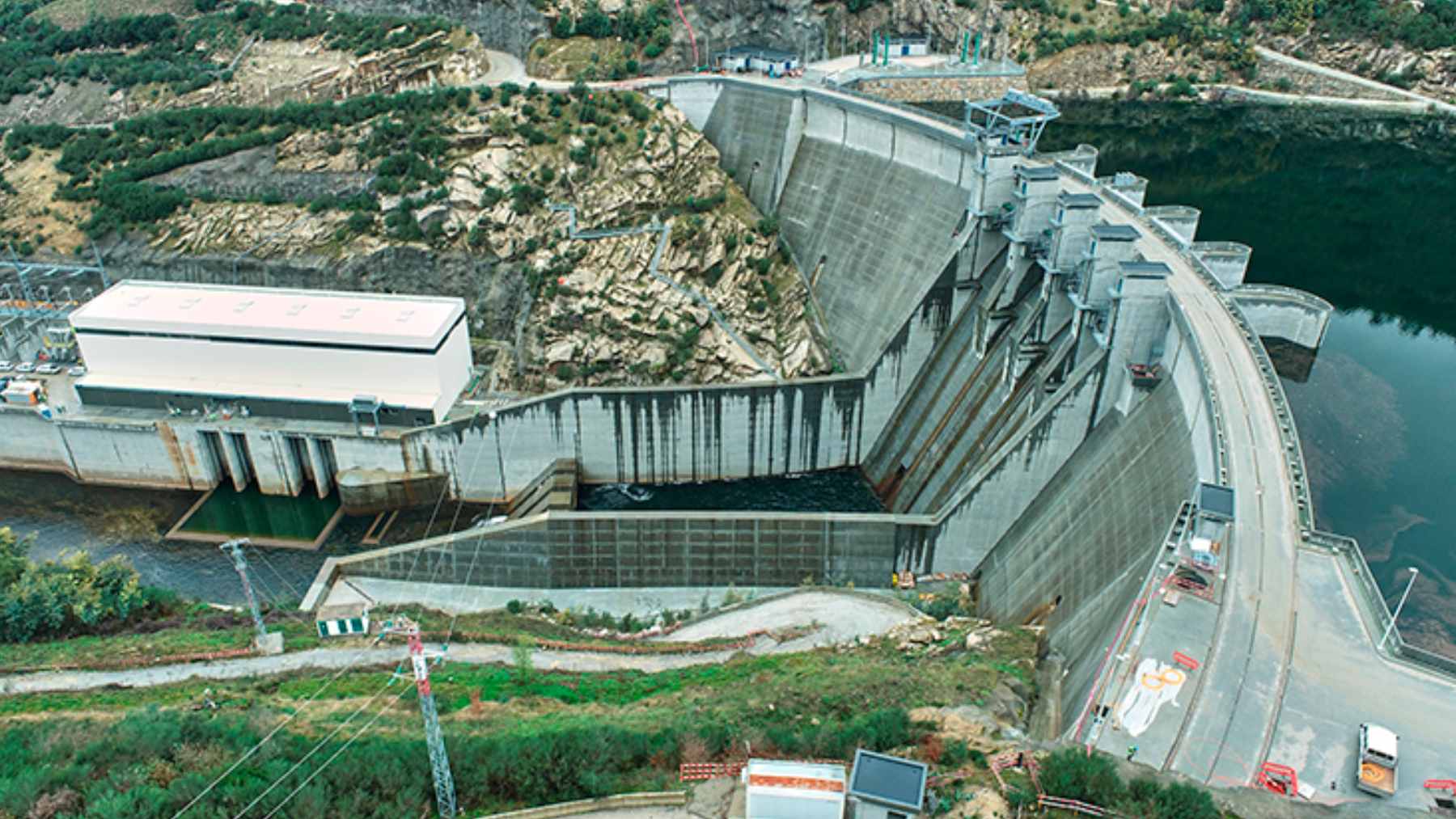
Hydropower projects are not impact-free. Dams change landscapes, rivers, roads, and local ecosystems, which is why planning and environmental monitoring matter. Iberdrola says the Tâmega project includes ecological compensation measures, including reforestation of more than 2,500 acres and the planting of 17,000 cork oaks.
The company also says the hydroelectric complex can avoid 1.3 million tons of CO₂ emissions per year and reduce oil imports by more than 160,000 tons annually. For the wind farms, Iberdrola estimates more than 250,000 tons of CO₂ emissions avoided each year.
Those are company estimates, but they underline the reason governments and utilities are looking so closely at storage.
Why Brazil is watching
For countries such as Brazil, the lesson is not that every mountain should become a battery. Geography, permitting, costs, and local communities all shape what can be built. Still, the Portuguese example is striking because Brazil already has deep experience with hydroelectricity and is also adding variable solar and wind power to its grid.
At the end of the day, the question is bigger than one dam or one company. Clean energy systems need generation, transmission, storage, and fast response when demand jumps during long, hot summers. Portugal’s Tâmega complex is a reminder that the future of energy may depend not only on producing more electricity, but on saving it better.
The official statement was published on Iberdrola.