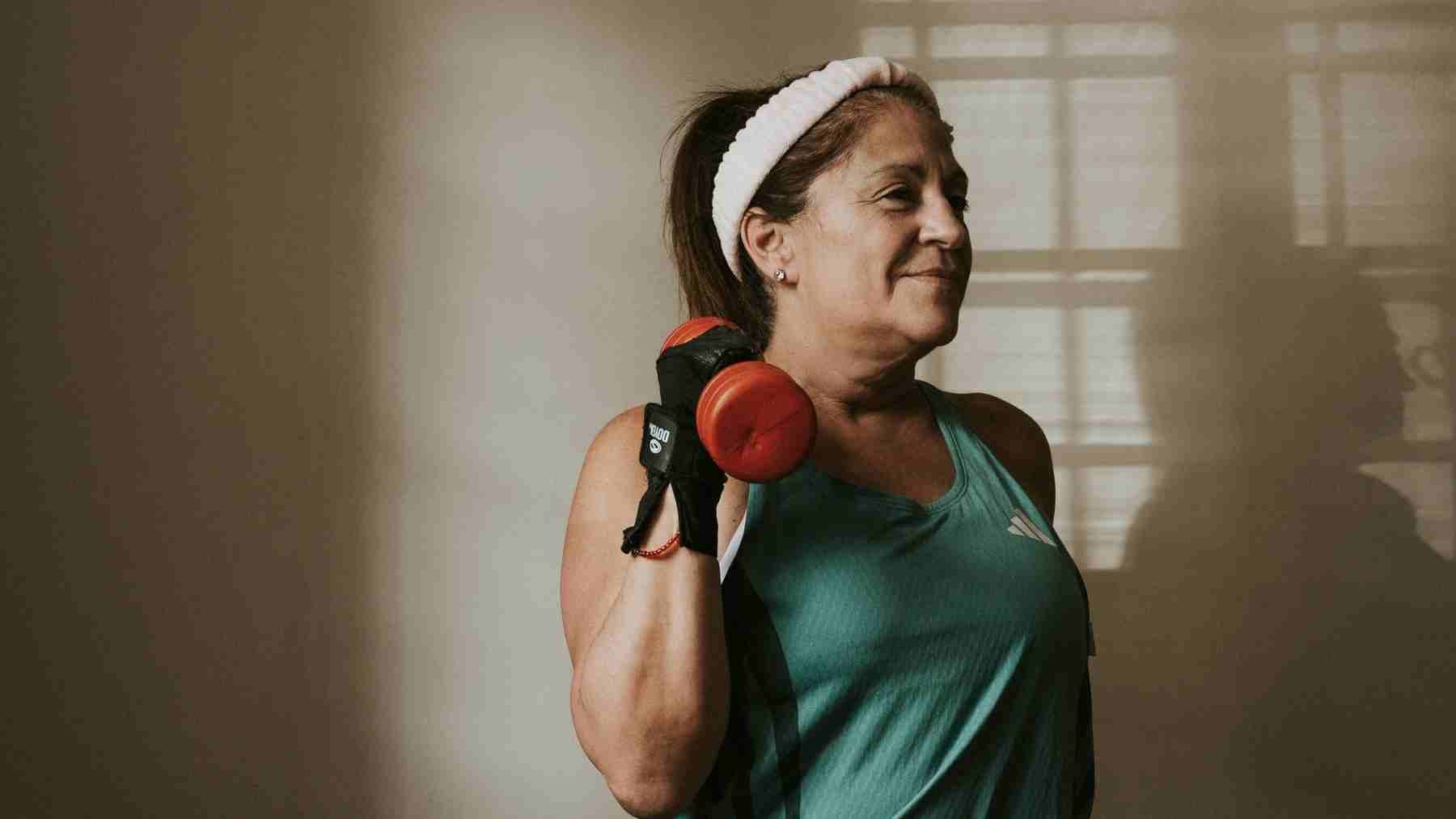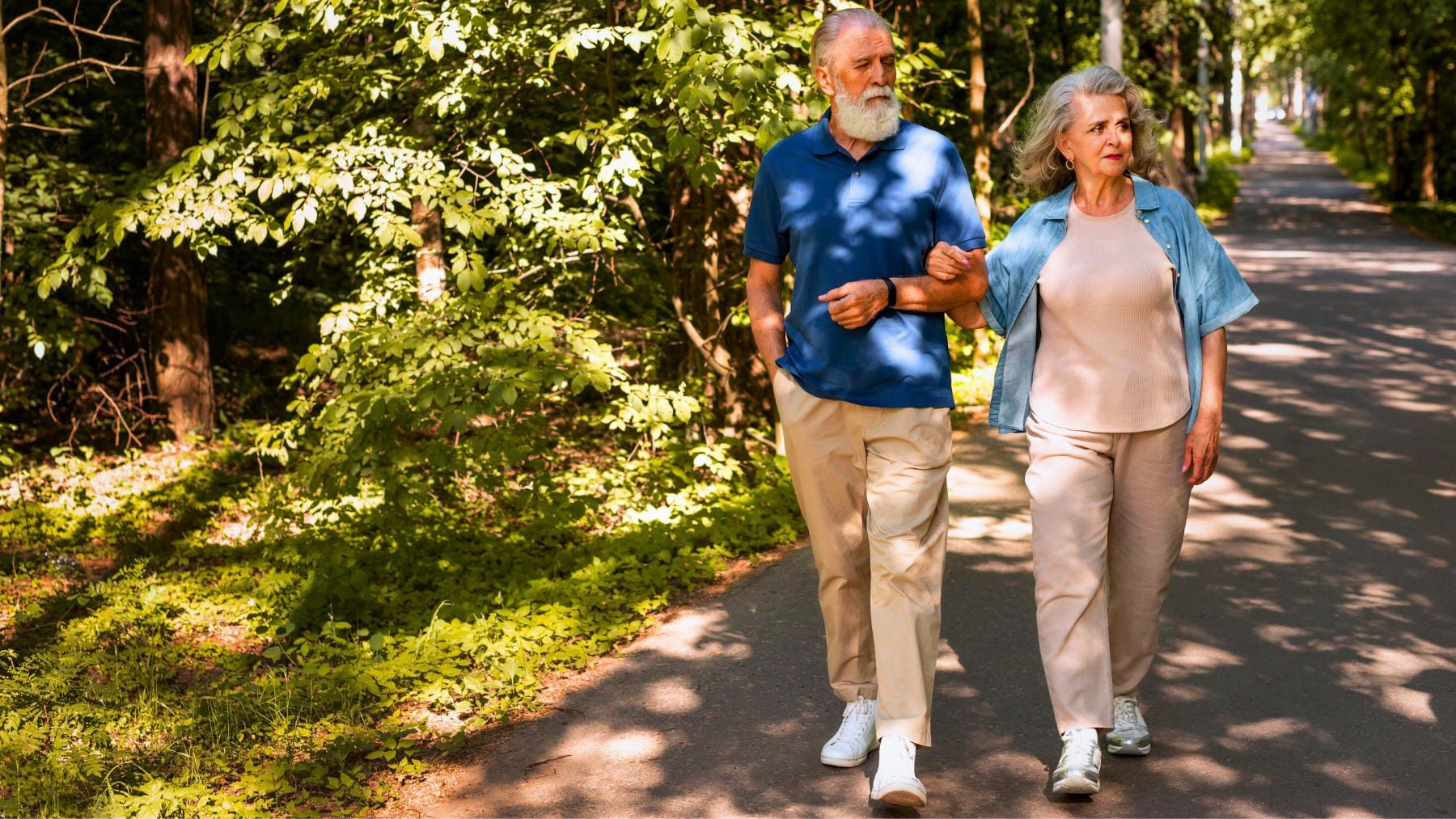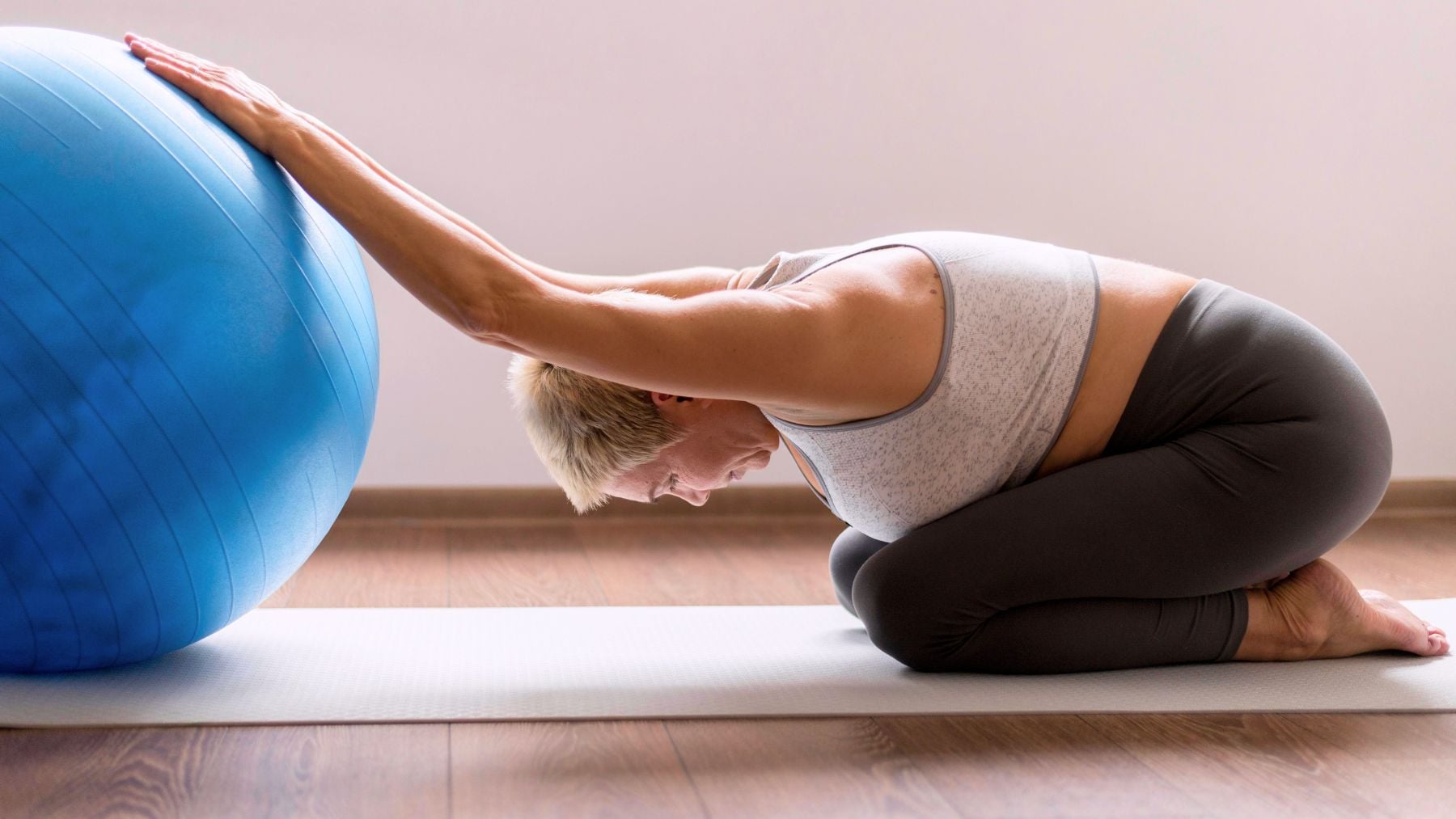
If you want a stronger balance in your 70s, the answer might be in Pilates. Many older adults are turning to simple mat and standing Pilates moves to stay steady on their feet and cut their risk of falls.
Pilates builds strength around the hips, improves joint control, and sharpens your sense of where your body is in space. Here, we’ll look at why this method works so well for older adults and walk through three exercises a Pilates instructor often uses with clients in their 60s and 70s.
How Pilates can help with balance after 70
As you age, muscles lose strength, reaction times slow, and the hip joint can stiffen if it’s not used often. Pilates tackles all of this at once. It trains the deep muscles around the pelvis, glutes, and lower back, which are key to standing, walking, climbing stairs, and catching yourself when you wobble.
It also teaches slow, controlled movement. When you move with better alignment, you place less stress on your knees, ankles, and lower back. Many older adults notice they can shift weight, rotate, and bend with more confidence after a few weeks of steady practice.
Another benefit is hip mobility. Older adults often lose range of motion at the hip joint. When the hips move freely, everyday tasks feel easier. You can step over thresholds, turn quickly, and recover from missteps without straining your lower back.
Most importantly, you don’t need heavy equipment or intense routines. You can practice at home with a chair, a mat, and a few minutes of focus.
3 Pilates exercises that strengthen balance and reduce fall risk
These moves challenge stability, build hip strength, and teach your body how to control momentum. They work well for beginners and for anyone returning to exercise after a break.
- Standing kickback: Stand with your feet hip width apart and hold a countertop or sturdy chair for support. Shift your weight to your right leg. Bend the right knee slightly. Lift your left leg behind you a few inches, keeping the knee straight. Squeeze your glutes at the top of the lift. Lower it with control. Repeat for about a minute, then switch sides. If you want more challenge, add a light ankle band.
- Side lying leg kick: Lie on your side with legs long and stacked. Support your head with your lower arm. Place your top hand in front of your chest for balance. Lift your top leg a little and sweep it forward. Pause, then pull it behind you without twisting your hips. Continue for a minute, then change sides.
- Side lying leg circle: Stay in the same side-lying position. Lift your top leg to about hip height. Draw small circles in the air while keeping your hips still. Halfway through the minute, reverse the direction. Switch sides and repeat.
These three moves cover the muscles that weaken fastest with age. Practice them a few times a week, and you may notice the same thing many older adults report: standing feels easier, walking feels smoother, and daily balance becomes something you can trust again.