
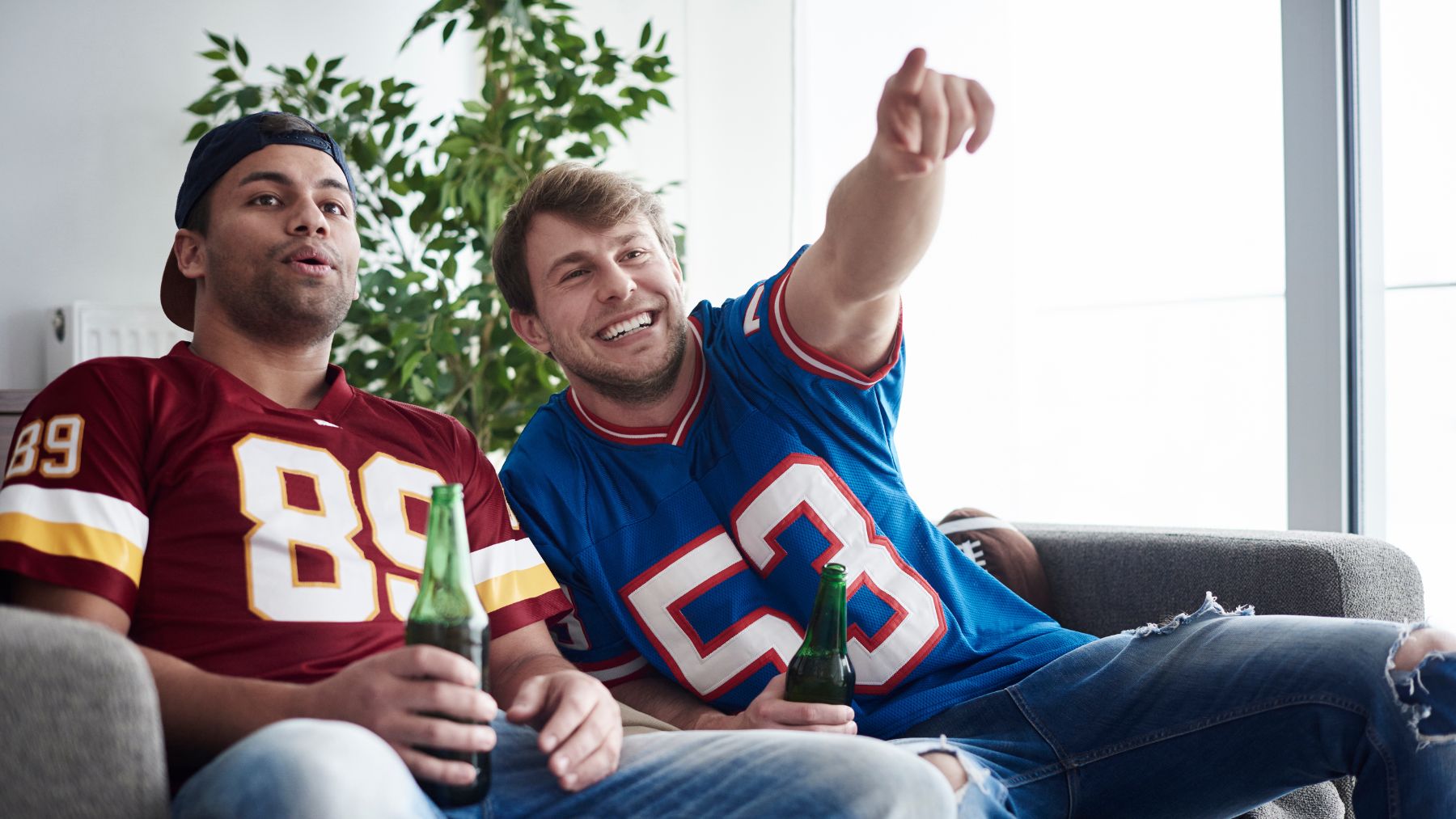
Wearing your favorite team outfit has become a powerful way to express identity, turning a simple show of support into a statement about who you are and how you connect with your team. Across stadiums packed with color-coded crowds, jerseys and game-day gear have turned into a shared language of identity, loyalty and belonging—long before kickoff even begins.
What makes this behavior so universal isn’t just enthusiasm. It’s a cultural shift that unfolded over decades, fueled by personal memories, evolving fashion norms and a thriving merchandise world that quietly redefined what it means to show up for your team.
Why your game-day outfit reflects more than fandom
When thousands of people gather around a stadium dressed in the same colors, the look might feel natural today—but it hasn’t always been this way. Fans old and young, longtime supporters and newcomers, all choose outfits that connect them to something bigger than themselves.
The demand for jerseys exploded slowly. Decades ago, fans showed up in everyday clothing, with stadium crowds looking closer to business meetings than tailgates. But as social norms loosened and sports culture grew, people began adopting the same tops players wore on the field. Some selected current stars; others chose retired legends, obscure names or personal favorites from childhood. Each choice communicated something different—nostalgia, pride, individuality or roots.
How fan outfits evolved into identity markers
This transformation wasn’t driven by a master plan. Early retailers and local sporting goods stores simply responded to what fans asked for: something that made them feel a little closer to the teams they loved. Small shops stitched logos onto blank jerseys, heat-pressed numbers and improvised designs long before leagues formally controlled the market. The result was an organic, widespread shift in how fans dressed for games.
By the 1970s, replicas became easier to find. Ads tucked into sports newspapers offered custom numbers and personalized versions. Mail-order catalogs let people across the country pick colors, names and styles. Many fans remember saving up for their first jersey, treating it as a badge of pride and wearing it nonstop—because it wasn’t just clothing, it was identity.
Television and pop culture helped push the trend forward. Actors appeared in team jerseys during sitcoms set in sports-centric cities, normalizing the look outside game days. Photos of crowds from the era show only a handful of people wearing replicas, but those early adopters were quietly laying the groundwork for what would later become the norm.
As more teams sourced uniforms from local suppliers, stores began ordering extras or offering less expensive versions for fans. By the time arenas filled with color-matched spectators in the 1980s and beyond, the identity shift was complete. Wearing a jersey wasn’t unusual—it was expected. Today, showing up without one is what makes you stand out.
Behind this shift was a mix of experimentation, enthusiasm and timing. Independent sellers, unregulated markets and trial-and-error production methods shaped the earliest wave of retail jerseys. Fans didn’t wait for leagues to define the merchandise system—they made their own version first.
This history explains why your favorite team’s outfit feels personal: jerseys became popular because people wanted to express themselves, not because someone told them to. And that energy still defines the experience today. Whether the number you choose honors a legend, recalls a family memory or simply matches your style, the outfit you wear to a game connects your story to the story of the team.
In the end, fans dress like players because it makes them feel part of the event—united, visible and ready for the moment. The outfit becomes a symbol of belonging, woven from years of evolving traditions and individual meaning. And every time you pull on that jersey, you’re stepping into a bigger story—one stitched together by millions of fans just like you.