What if the place that should make life easier is quietly making people sicker? Spanish epidemiologists are now raising that question as loneliness, housing stress, aging, and care needs collide in everyday homes.
At a joint meeting in Pamplona from June 23 to 26 with the Portuguese Association of Epidemiology, experts put collaborative housing at the center of a public-health debate.
The main message is clear: a home is not just walls and a key, and it can shape stress, social ties, independence, and the way people get help when life gets hard.
Why housing is health
Isabel Portillo, secretary of the scientific society, urged people to “rethink” the usual housing model. “It is not just about access to housing, but about rethinking how we want to live, care for one another and relate to one another,” she said.
Her point is not that every apartment is a clinic. It is that housing affects what public-health experts call “determinants of health,” the everyday conditions that make illness more or less likely.
Rent pressure, constant moves, weak support, and the absence of neighborhood ties can all add weight to a person’s shoulders.
Loneliness has numbers
The World Health Organization reports that one in six people worldwide is affected by loneliness. It also links loneliness to more than 871,000 deaths each year, or roughly 100 deaths an hour, based on estimates covering 2014 through 2019.
Spain shows the same problem close to home. A 2024 barometer from the State Observatory on Unwanted Loneliness reported that 20% of adults in Spain currently feel lonely, and 13.5% face chronic loneliness. Among young Spaniards ages 16 to 29, a separate survey found that 25.5% currently feel lonely.
What cohousing means
Cohousing is a simple idea with a complicated path. Residents keep private homes, but they share spaces such as kitchens, laundry rooms, gardens, transportation, bicycles, maintenance, or care services.
The model started in Denmark in the 1970s, and Spain now has more than 100 collaborative housing projects in different stages, with around 40 already inhabited.
This is not the same as a crowded roommate setup. In many projects, residents join a cooperative that decides how the community works, how expenses are shared, and how people support one another. In daily life, that can mean someone notices when a neighbor is sick, sad, or simply overwhelmed.
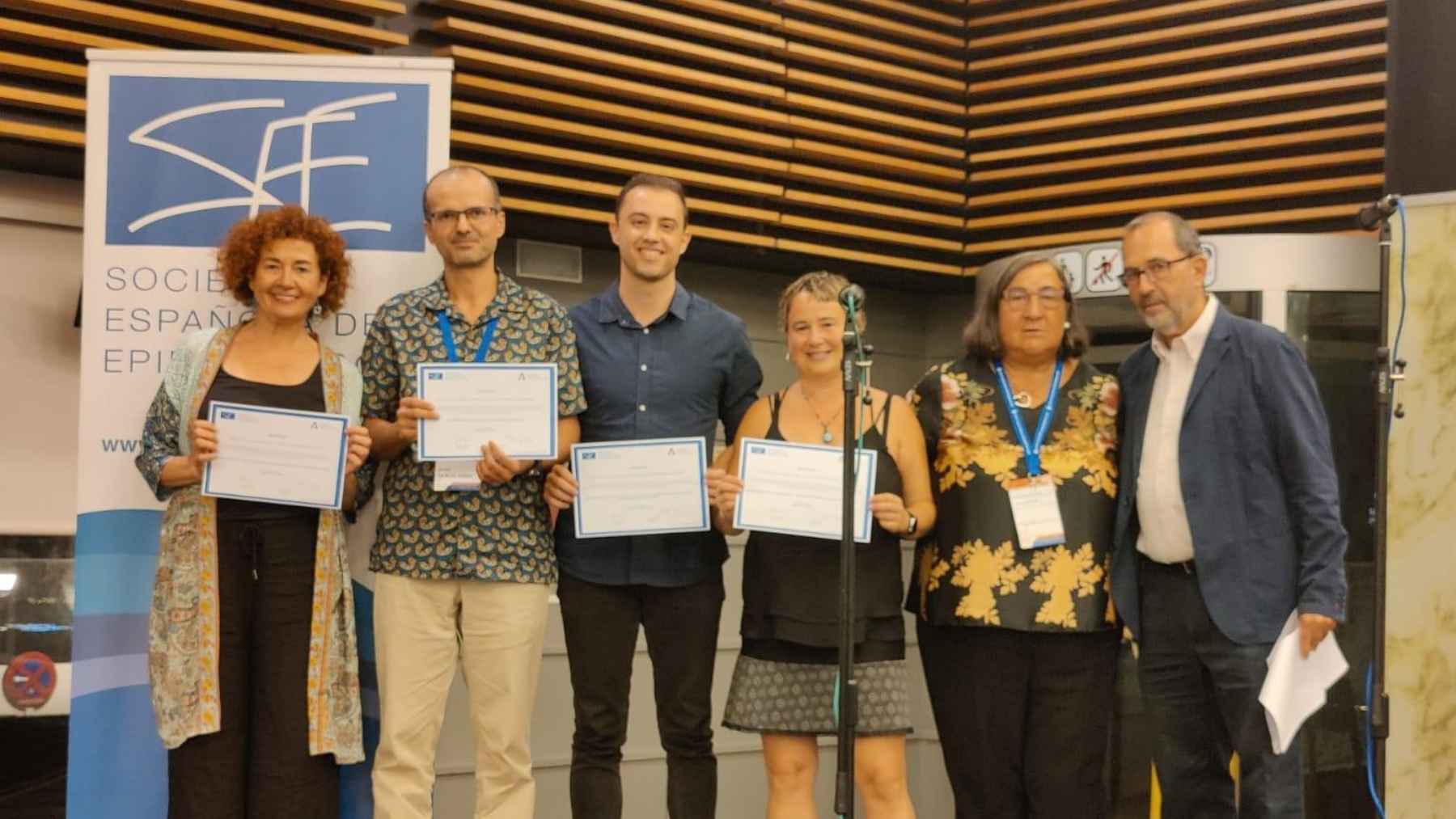
Members of the Spanish Society of Epidemiology gather during a conference where experts highlighted collaborative housing as a strategy to improve health, social connection, and well-being.
Young people feel the squeeze
One reason this debate lands hard is that housing pressure is not an abstract policy issue. For many young adults, it looks like delayed independence, shared leases, moving again when rent jumps, and the low hum of anxiety at the end of the month.
A Fundación BBVA and Ivie study found that the youth poverty rate in Spain rises from 24.5% to 32.9% when housing costs are subtracted from available income. That helps explain why the housing conversation quickly becomes a health conversation, especially when stress and loneliness feed each other.
Evidence is still growing
A 2024 BMC Public Health study led by Alexia Reyes followed 70 people in cooperative housing projects in Catalonia between 2018 and 2023.
After moving in, participants reported better housing conditions and improved perceptions of health, mental health, and social support, although the authors warned that the sample was small and follow-up was short.
That caution matters. Cohousing is not a magic fix for loneliness, elder care, or high rents. But early evidence suggests the model may help when it gives people stability, shared resources, and daily contact that feels natural rather than forced.
The barriers
The trouble is, these projects do not appear just because people like the idea. Organizers still need a cooperative group that can stay together, rules that recognize a mix of private apartments and common areas, and access to land and financing.
That is why epidemiologists are framing the home as part of a wider health system. At the end of the day, what they are trying to do is expand the idea of care beyond hospitals, clinics, and family members who are already stretched thin.
The official press release has been published by the Sociedad Española de Epidemiología.