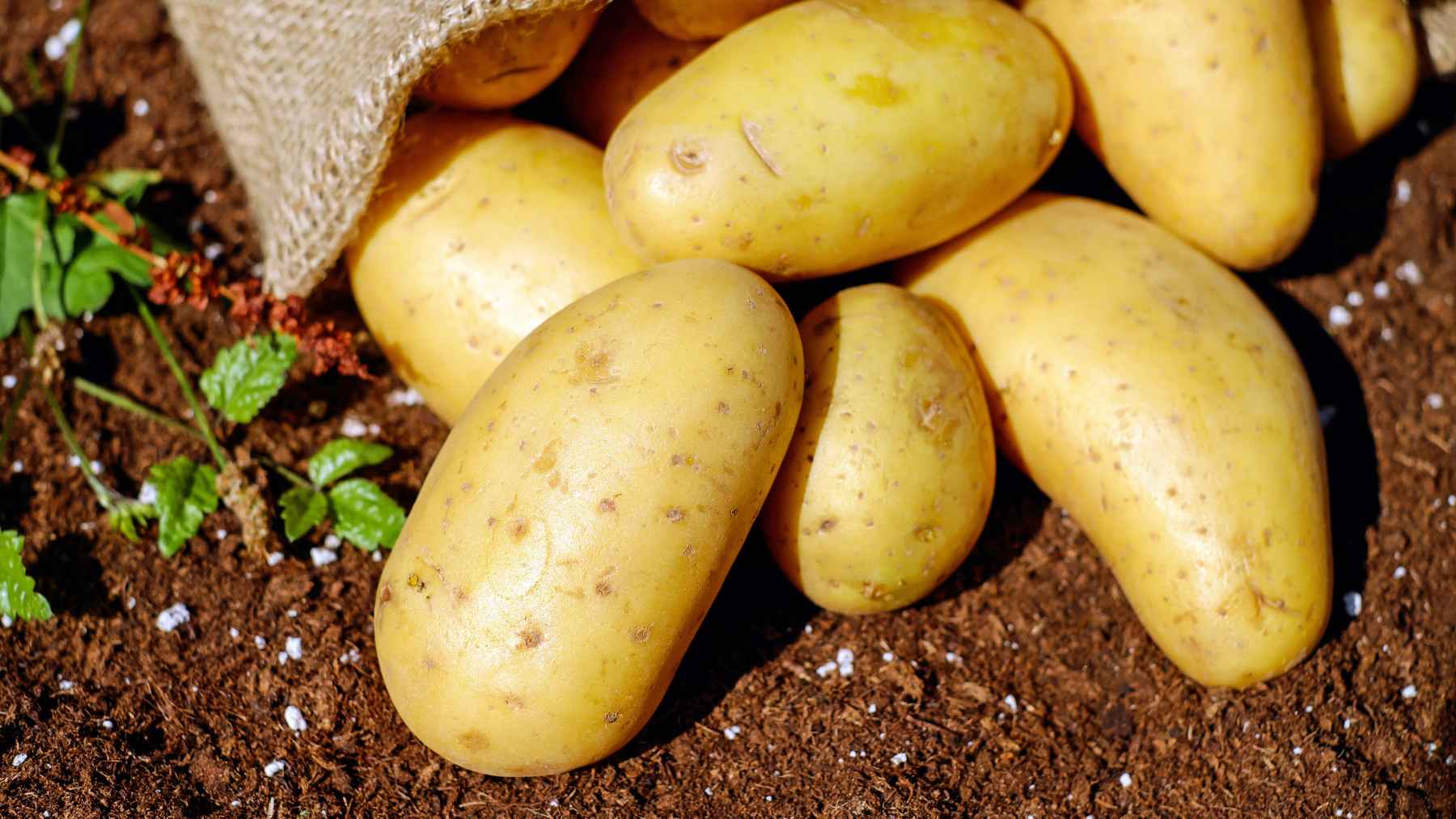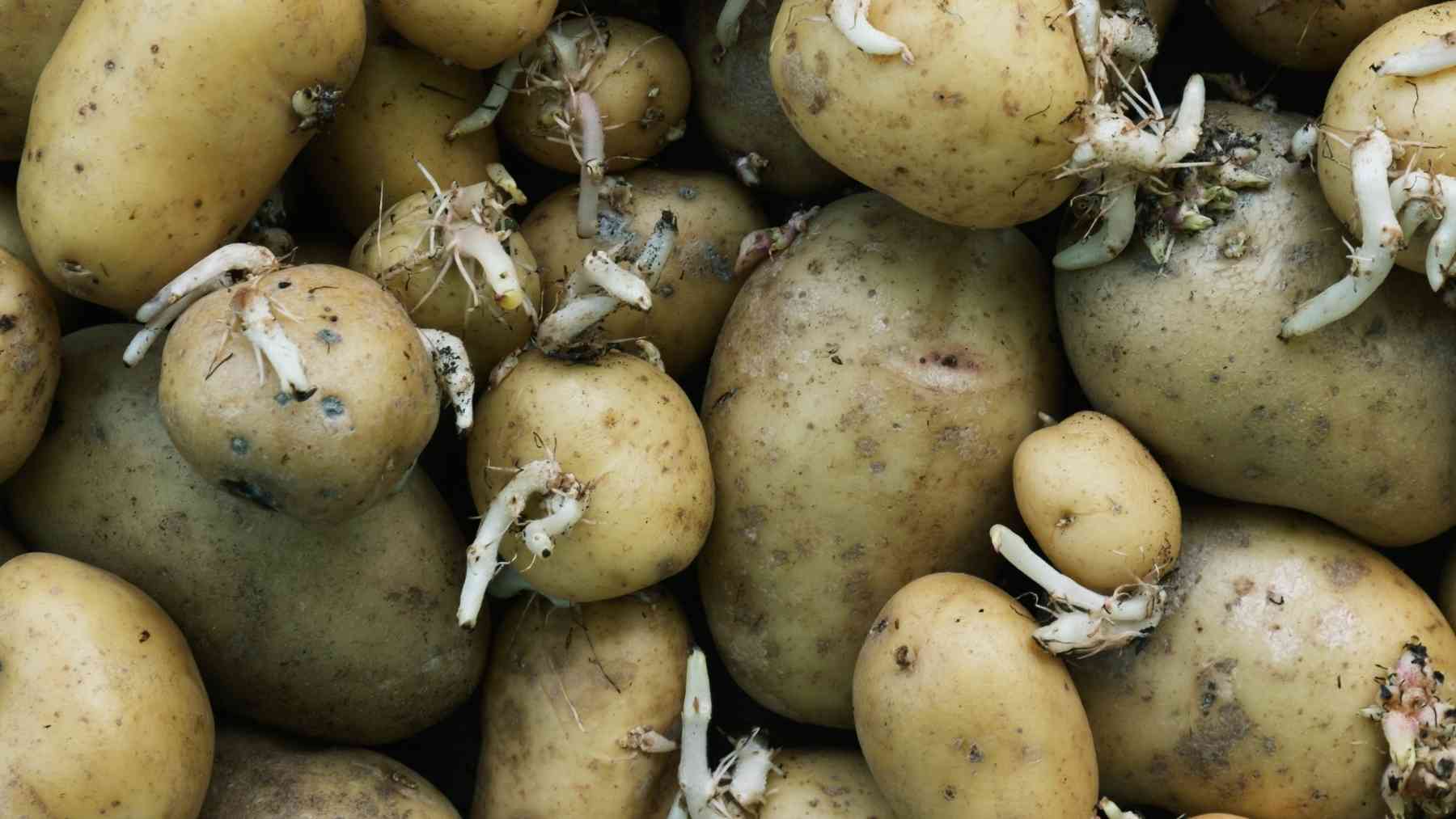
You open the pantry, reach for the potatoes, and there they are, little pale shoots poking out like the bag has been quietly growing dinner without you. The good news is that not every sprouted potato has to go straight into the trash.
The safer answer depends on what the potato looks and feels like. If it is firm and has only tiny sprouts or a few shallow eyes, remove those parts before cooking, but if it is soft, wrinkled, green, wet, or covered in long sprouts, food safety experts say it is better to throw it out.
The quick safety rule
Sprouted potatoes are not automatically dangerous, but the sprouts are not something to eat. Bryan Silness, associate manager of research and development at Kraft Heinz, told Southern Living that “the sprouts contain concentrations of glycoalkaloids,” compounds that can cause toxic effects when eaten in large amounts.
In practical terms, that means cutting out the eye and the base of the sprout, not just brushing off the pale growth on top. A firm potato with tight skin is a different case than one that feels squeezable, damp, or collapsed in your hand, the kind you regret finding at the bottom of the bag.
Why the sprouts matter
Those little eyes are a sign the potato is trying to grow. In a cool, dark corner, especially if there is moisture, the tuber can act like it is back underground and start sending out shoots.
The catch is chemical, not cosmetic. Potatoes naturally contain glycoalkaloids, mainly solanine and chaconine, and the highest levels are found in the sprouts, green skin, eyes, flowers, and leaves, while the white flesh tends to have the lowest level.
Green is the bigger warning
A green tint does not mean the potato has turned into poison overnight. The color itself comes from chlorophyll, which is not toxic, but greening often travels with higher glycoalkaloid formation after light exposure.
That is why a tiny green spot can be cut away generously, but a potato that is green under the skin, deeply green, or bitter should not be used. No recipe is worth the gamble, not even a perfect pot of mashed potatoes.
What the numbers show
Food safety guidance does not treat every potato the same. Oregon State University Extension notes that a normal potato not exposed to light contains about 5 to 9 milligrams of glycoalkaloids per pound, while a green tuber can reach about 113 to 127 milligrams per pound.
That jump is why the advice changes as the potato changes. A few shallow eyes on a firm tuber are one thing, but long sprouts, wrinkling, and green flesh suggest the potato has moved beyond “use it tonight” and into “toss it.”
Cooking does not erase the problem
It is tempting to think boiling, baking, or frying will make everything safe. Not really. Health Canada warns that common cooking methods do not significantly reduce glycoalkaloids, and Poison Control says cooking does not eliminate them.
Peeling and trimming can reduce exposure, especially when the issue is small and near the surface. But if the whole potato looks suspect, heat will not turn back the clock.
How to trim one safely
Start by rinsing the potato under running water. Then snap off tiny sprouts and use the pointed end of a vegetable peeler or a small knife to remove the eye and the base beneath it.
Silness recommends digging out the eye completely, even if the potato ends up looking “a little moon-like.” After peeling and trimming, rinse again before cooking, especially if you removed several eyes.
Store them better next time
The best way to avoid the whole debate is to make the pantry less inviting for growth. Potatoes do best in a breathable paper or mesh bag, or a cardboard box, kept cool, dark, dry, and ventilated.
Michigan State University Extension recommends storage around 45 to 50°F and says good conditions can keep potatoes at their best quality for about a month. Also, skip sealed plastic and keep potatoes away from onions, since onion gases can speed sprouting.
When to call it quits
Here is the kitchen test. If the potato is firm, smells normal, and has only tiny sprouts or shallow eyes, trim those areas well and peel it if needed. If it is soft, wet, wrinkled, green inside, bitter, or covered in long shoots, toss it.
Most people are unlikely to eat enough bitter, green potato to become seriously ill, but symptoms can include vomiting, diarrhea, abdominal pain, headache, confusion, flushing, and fever. Poison Control says symptoms usually begin within a few hours, though they can be delayed as long as a day.
Sprouted potatoes and food waste
Throwing food out always stings, especially with grocery prices doing what they do. Still, the better habit is to buy only what you will use soon and check potatoes before they disappear into the back of the cupboard.
If a potato is too far gone for dinner but not rotten, gardeners sometimes plant sprouted pieces to grow new potatoes. For everyone else, the simpler takeaway is small sprout, firm potato, cut it out. Long sprouts, green flesh, soft texture, goodbye tater.
The official guidance was published on Iowa State University Extension and Outreach.