Buying a car often begins with horsepower, driving range, and the monthly payment. Yet the bill that hurts most may arrive years later, when a routine repair turns into hours of labor and a long search for the right part.
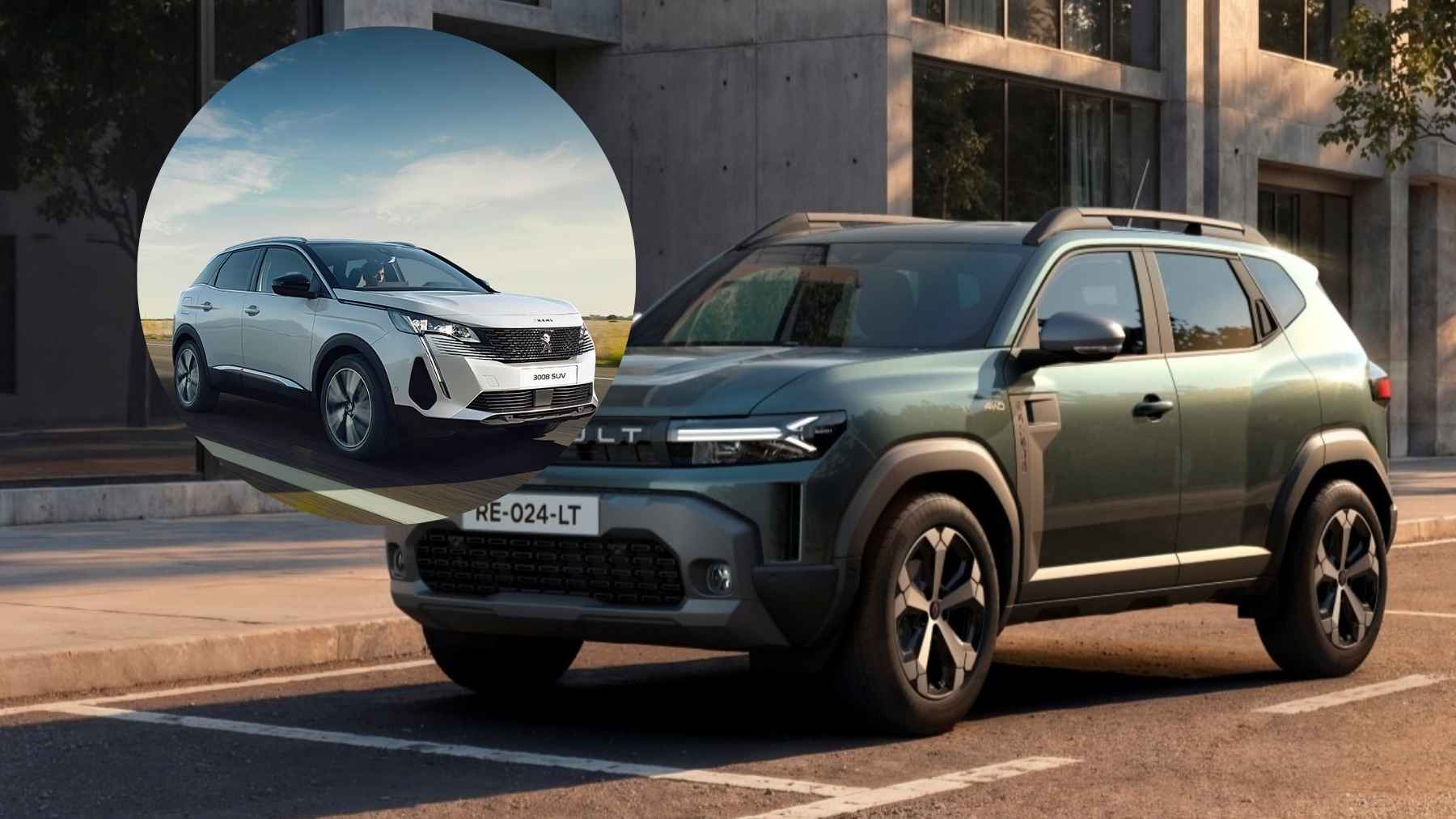
That is why comments from Swedish mechanics Hugo Kenger and Magnus Andersson are attracting attention. Drawing on their workshop experience, they singled out Renault, Peugeot, Citroën, and Land Rover as brands they personally would avoid, while recommending Volvo with an important warning about newer vehicles.
Four brands make the list
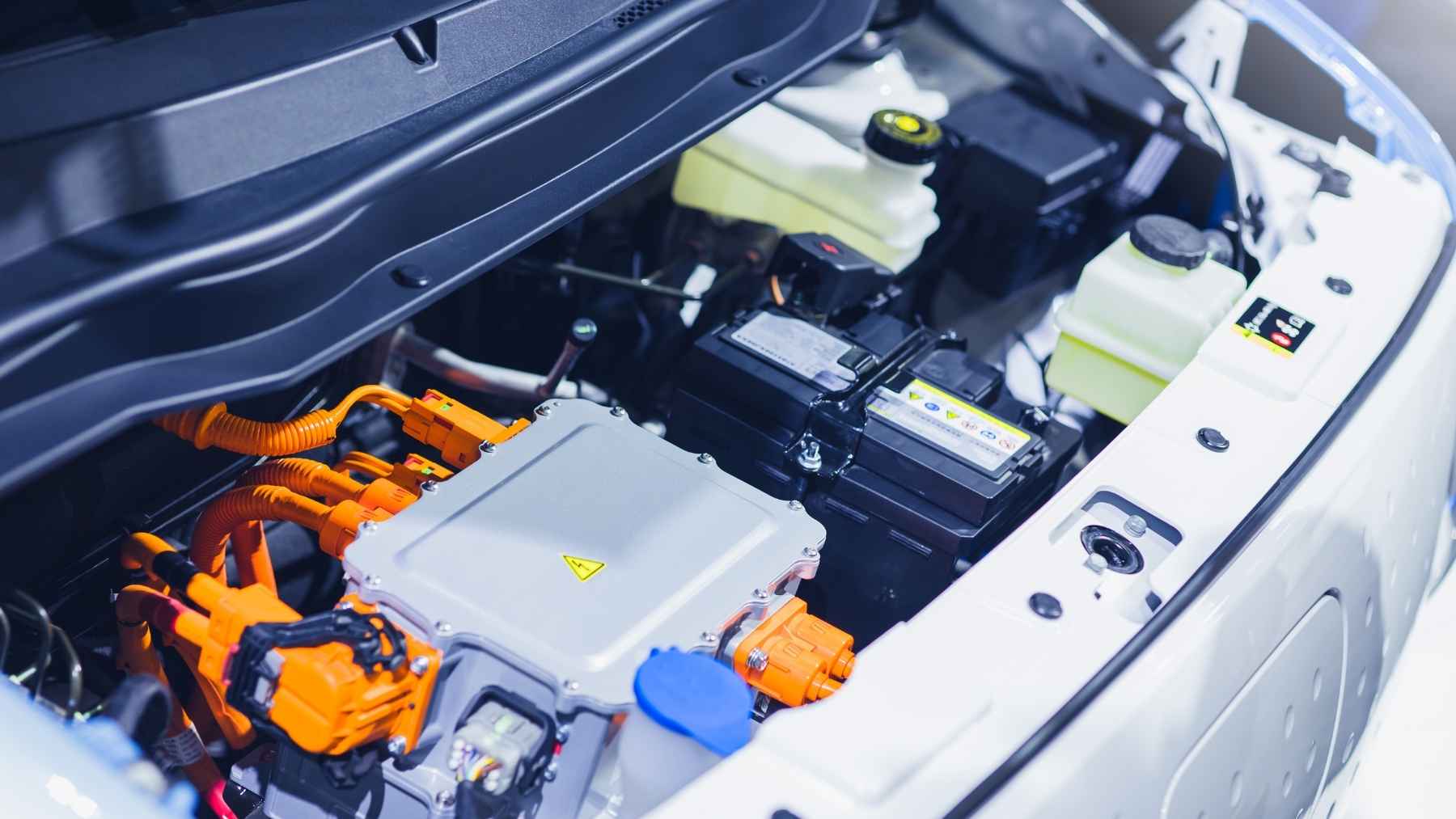
Kenger and Andersson say the three French brands can be unusually complicated for technicians who do not work on them every day. Andersson summed up the problem simply, saying the cars may be fine while everything works, but become very difficult to repair once something fails.
That is not the same as proving that every Renault, Peugeot, or Citroën breaks down more often than every rival. Their criticism is mainly about repairability, unfamiliar layouts, and the extra labor that can follow, which means the exact model, engine, and model year still matter more than a badge alone.
Land Rover brings another risk
Land Rover made the list for a different reason. Andersson pointed to expensive replacement parts and costly repairs, while the original report also noted that limited local support can make ownership harder in places such as the Swedish island of Gotland.
Geography can change the ownership equation more than buyers expect. A premium SUV may feel perfect during a short test drive, but a warning light becomes a much bigger headache when the nearest qualified workshop is hours away or the vehicle must be transported elsewhere.
Volvo earns praise, with limits
The mechanics were far more positive about Volvo. Kenger described it as a brand that works in all kinds of weather and offers vehicles for different needs, an understandable advantage where winter roads, salt, and sudden temperature changes are part of normal life.
Still, that recommendation should not be read as a blank check for every Volvo ever built. Volvo Cars has been owned by China’s Zhejiang Geely Holding since 2010, but its headquarters and much of its product development remain in Gothenburg, Sweden. Ownership is a fact, but it is not, by itself, proof of what caused any recent quality problem.
Newer Volvos complicate the picture
A proposed U.S. class action filed in 2025 alleged that 2020 through 2024 XC40 Recharge electric vehicles could unexpectedly surge, lurch, or accelerate because of an alleged powertrain control defect. The complaint presented those claims as allegations, and the vehicle named in the case is the all-electric XC40 Recharge rather than a hybrid.
The EX90 also had a difficult introduction. Volvo officially delayed production in 2023 because it needed more time for software development and testing, then announced major hardware and software upgrades for the 2026 version.
That does not prove every EX90 is unreliable, but it does show why buyers should check production date, installed updates, recall history, and warranty coverage.
Volvo took a $1.2 billion charge
The financial warning was real, although it needs careful wording. In July 2025, Volvo announced a one-time, non-cash impairment of about $1.2 billion tied to the EX90 and ES90 platform, citing past launch delays, added development costs, tariffs, and lower expected profitability over the vehicles’ lifecycles.
That was not simply a bill for repairing cars that had never reached customers. It was an accounting reassessment of expected volumes and profitability, with much of the impact connected to research and development.
By the second quarter of 2026, Volvo had returned to positive operating income and reported a 1.1 percent operating margin, showing that the company’s position had changed from the worst point of 2025.
What buyers should check
So, should shoppers automatically cross four brands off the list? Probably not. Two experienced mechanics can offer valuable real-world insight, but their comments are not a controlled reliability study, and workshop experience can be shaped by local weather, dealer coverage, customer habits, and the kinds of cars that arrive for repair.
A smarter approach is to investigate the exact vehicle in front of you. Check service records, outstanding recalls, common engine or battery problems, parts availability, local specialist support, and the cost of ordinary jobs such as brakes, suspension work, headlights, sensors, and timing-system service. A pre-purchase inspection can feel like an extra expense, but it is often the cheapest part of the deal.
Repairability matters for the planet
There is also an environmental side to this debate. A car that can be repaired at a reasonable cost is more likely to remain in use, while a vehicle that is technically fixable but economically hopeless may be retired early, creating more waste and demand for replacement materials.
The European Union’s 2026 rules on vehicle circularity explicitly describe repairability throughout a vehicle’s lifespan as a foundation of a sustainable automotive economy.
The greenest choice is not automatically the newest car or the oldest one. It depends on efficiency, emissions, safety, condition, and whether the vehicle can remain roadworthy without excessive financial and material cost.
At the end of the day, a reliable car is not only one that rarely breaks. It is one that can be fixed when it does.
The latest official company statement discussed here was published on Volvo Cars Media.